
Theatre Picasso
Tate Modern (London), until Apr/26
Despite the numerous Picasso exhibitions we have all seen over the years, Tate Modern offers us yet another. This time his work is reframed through the lens of contemporary artist Wu Tsang and curator Enrique Fuenteblanca. Drawing largely from Tate’s own collection, including works rarely displayed, the exhibition unfolds in a playful and immersive scenography.
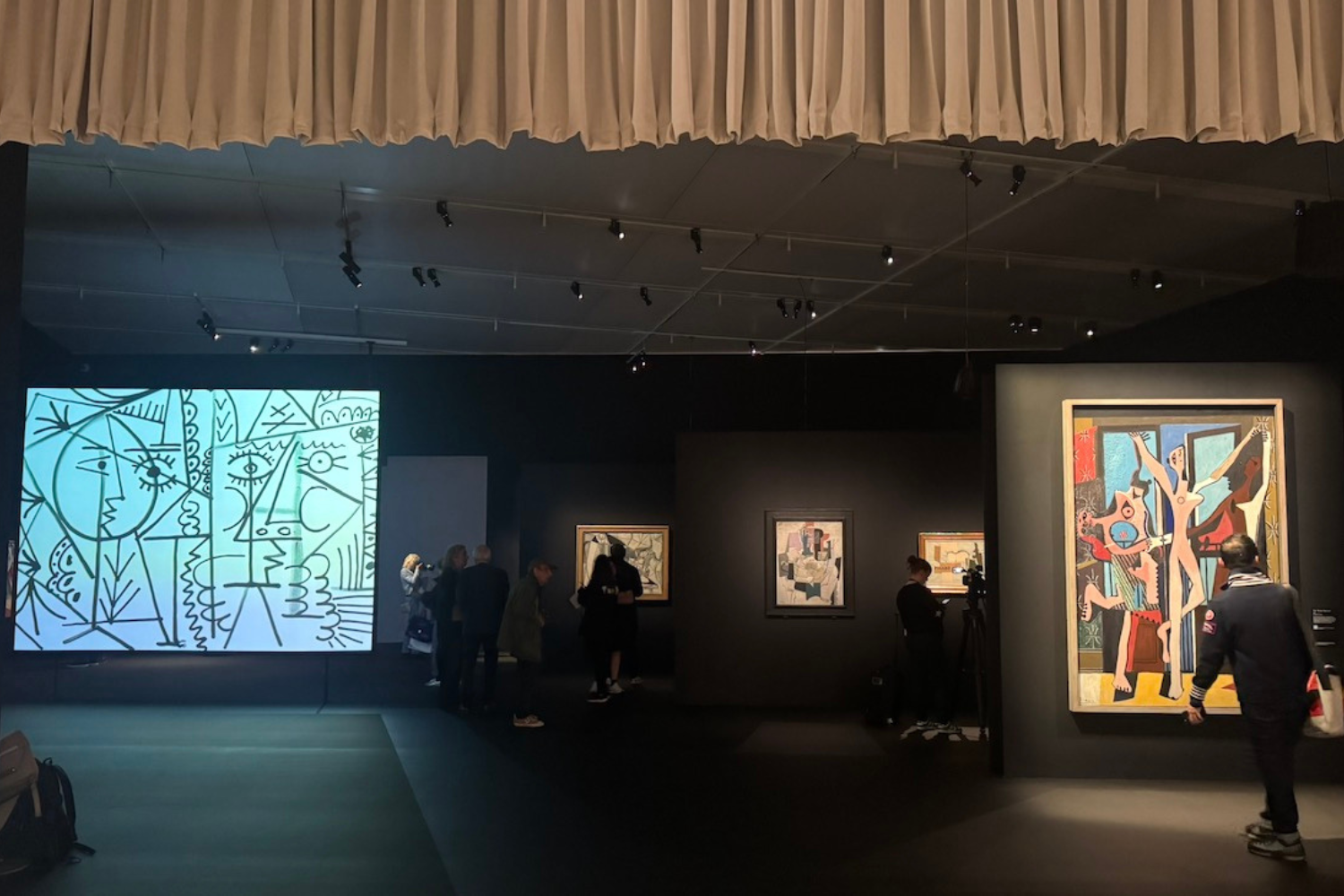
Tsang and Fuenteblanca bring their distinct artistic sensibility to the project, reinterpreting Picasso through a youthful contemporary perspective. There is a refreshing irreverence in their approach, a subtle rebellion against more conventional modes of display, which aligns with Picasso’s own restless experimentation.
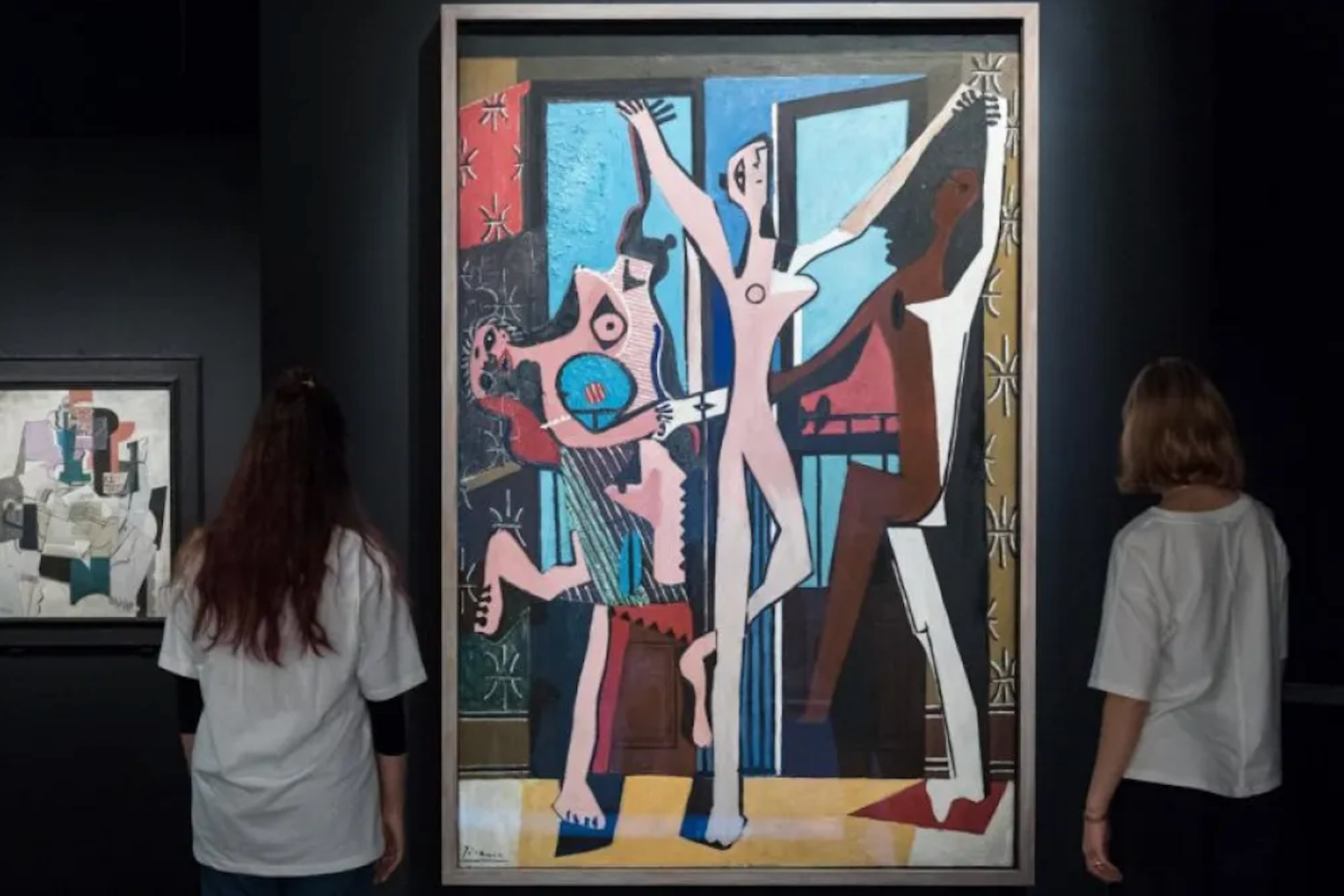
Rather than following a chronological path, the works are organised thematically, creating unexpected dialogues and contrasts across the many decades of Picasso’s practice. Despite the familiarity of many of these works, their repositioning within this theatrical framework alters their meaning. Seen alongside stage designs, costumes, and archival material relating to Picasso’s collaborations with the Ballets Russes, paintings such as The Three Dancers acquire a new intensity. No longer read solely as a quasi-Surrealist canvas, it appears charged with tension: its three angular bodies suspended in a perpetual, almost violent performance.
Similarly, Weeping Woman, so often isolated as an icon of grief and political anguish, is reframed here as a study in fragmentation and constructed identity. The handkerchief becomes both prop and mask; the face, fractured into sharp planes, reads like a theatrical device. By juxtaposing it with works on paper and sculptural experiments, the exhibition draws attention to Picasso’s relentless testing of how a face, a body, a character might be built, dismantled and rebuilt.
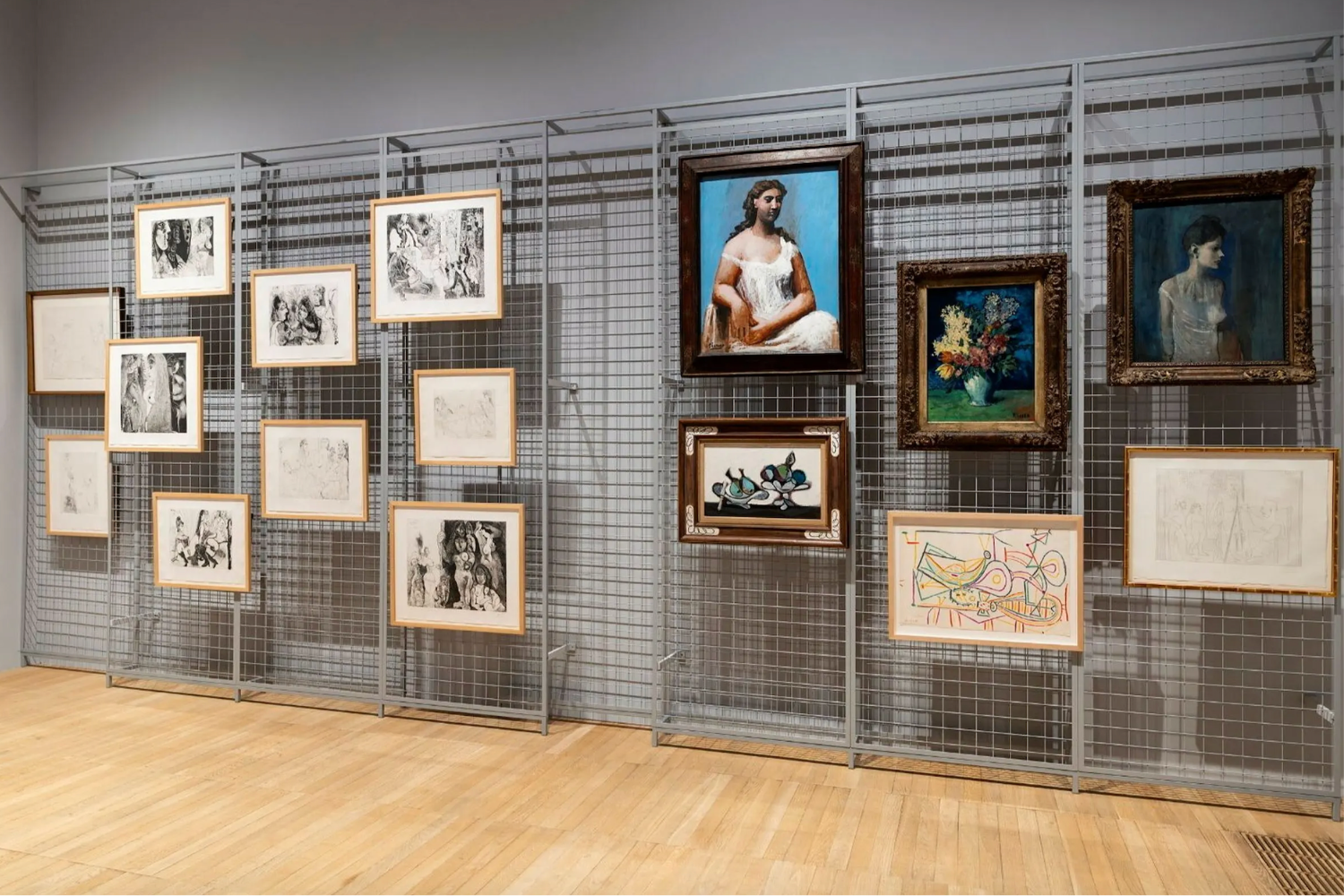
Even the early Girl in a Chemise from the Blue Period feels less sentimental and more like the beginning of a lifelong inquiry into personal identity. Placed in dialogue with later works, the painting reveals how Picasso continuously staged his subjects (and perhaps himself) through shifts in style.
What emerges most clearly is Picasso’s appetite for transformation. Sculpture, ceramics, works on paper and filmic material all demonstrate an artist who never settled into a single, stable visual language. The exhibition’s immersive design amplifies this sense of flux. Curtains, partitions and unexpected sightlines encourage viewers to move as though backstage, catching fragments of works from oblique angles, discovering correspondences across rooms.
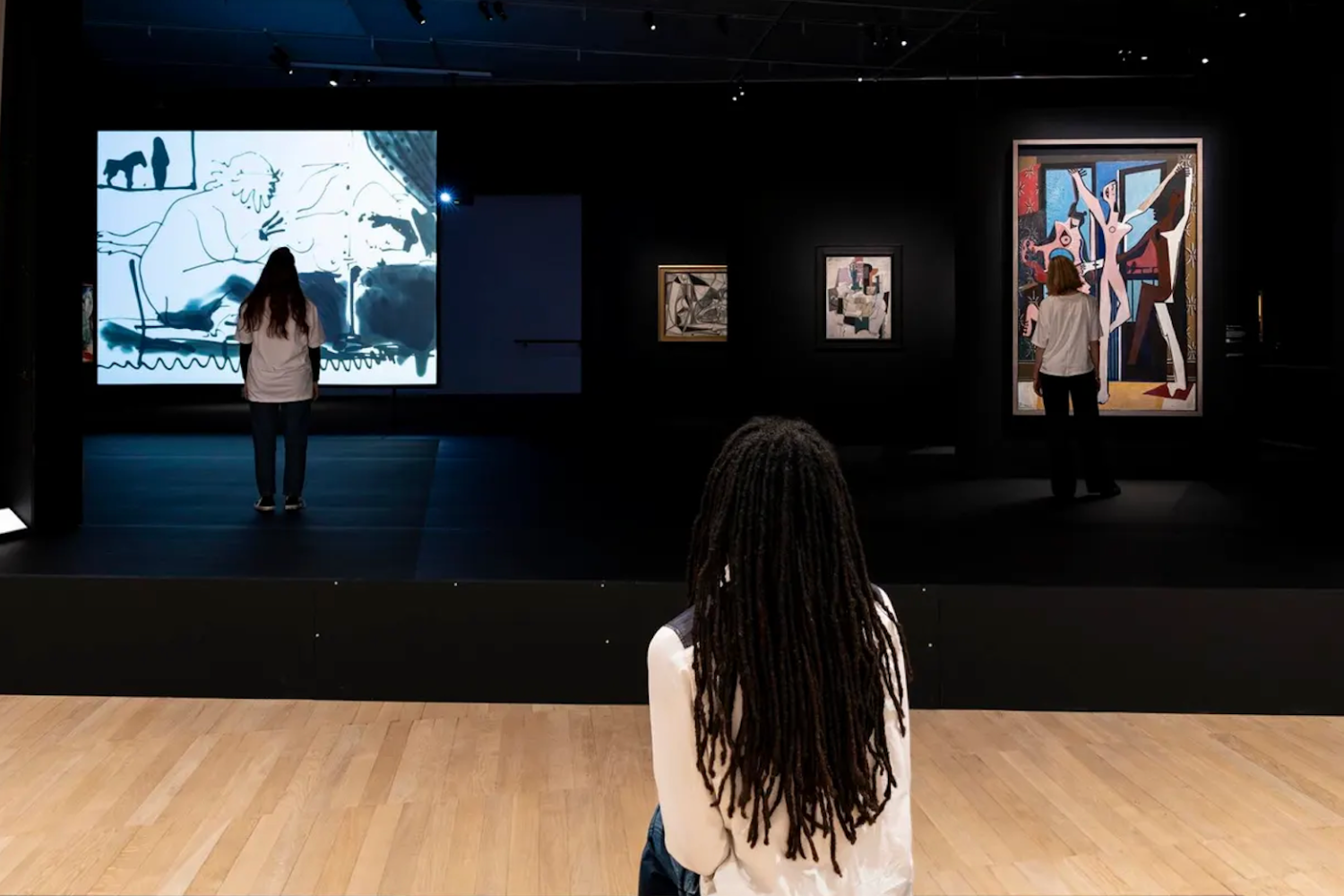
For audiences accustomed to blockbuster Picasso retrospectives, this exhibition offers something subtly different. It does not seek to monumentalise the artist anew, but to re-stage him: to reveal how disguise, experimentation and a certain irreverent freedom remained central to his practice throughout his life. It invites us to look again at works we thought we knew, and to recognise in them a vitality that continues to shift under changing lights.
Ana Teles for London Art Walk
February 2026