
Yayoi Kusama: Art, Perception, and Mental Health
“If it were not for art, I would have killed myself a long time ago.” This sentence, often quoted in interviews, captures the intensity with which Yayoi Kusama understood her relationship to art and to her own psychological struggles. Throughout her life, Kusama experienced hallucinations, intrusive thoughts, and episodes of acute anxiety, conditions she described as beginning in childhood and impacting both her perception of the world and her artistic vocabulary.
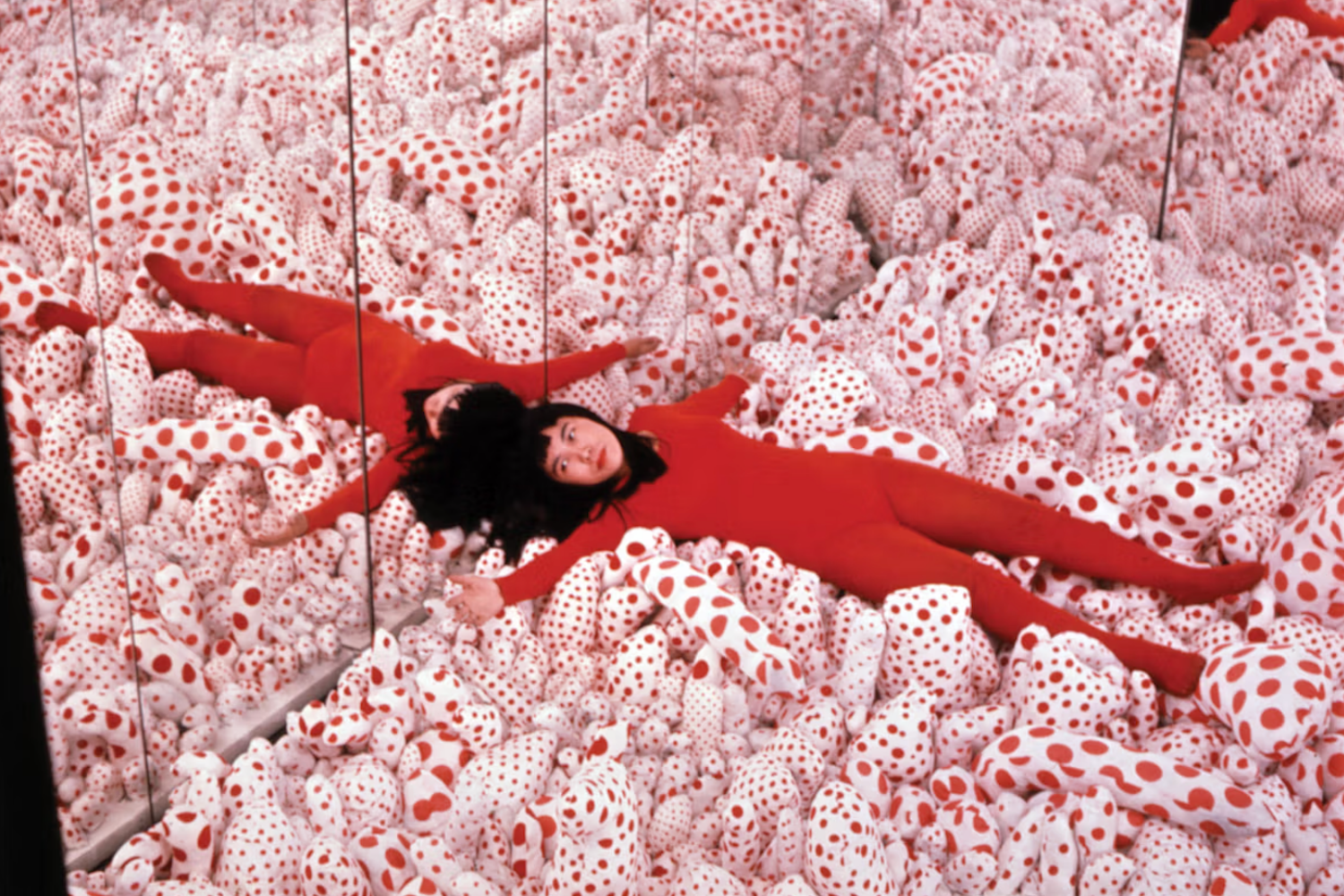
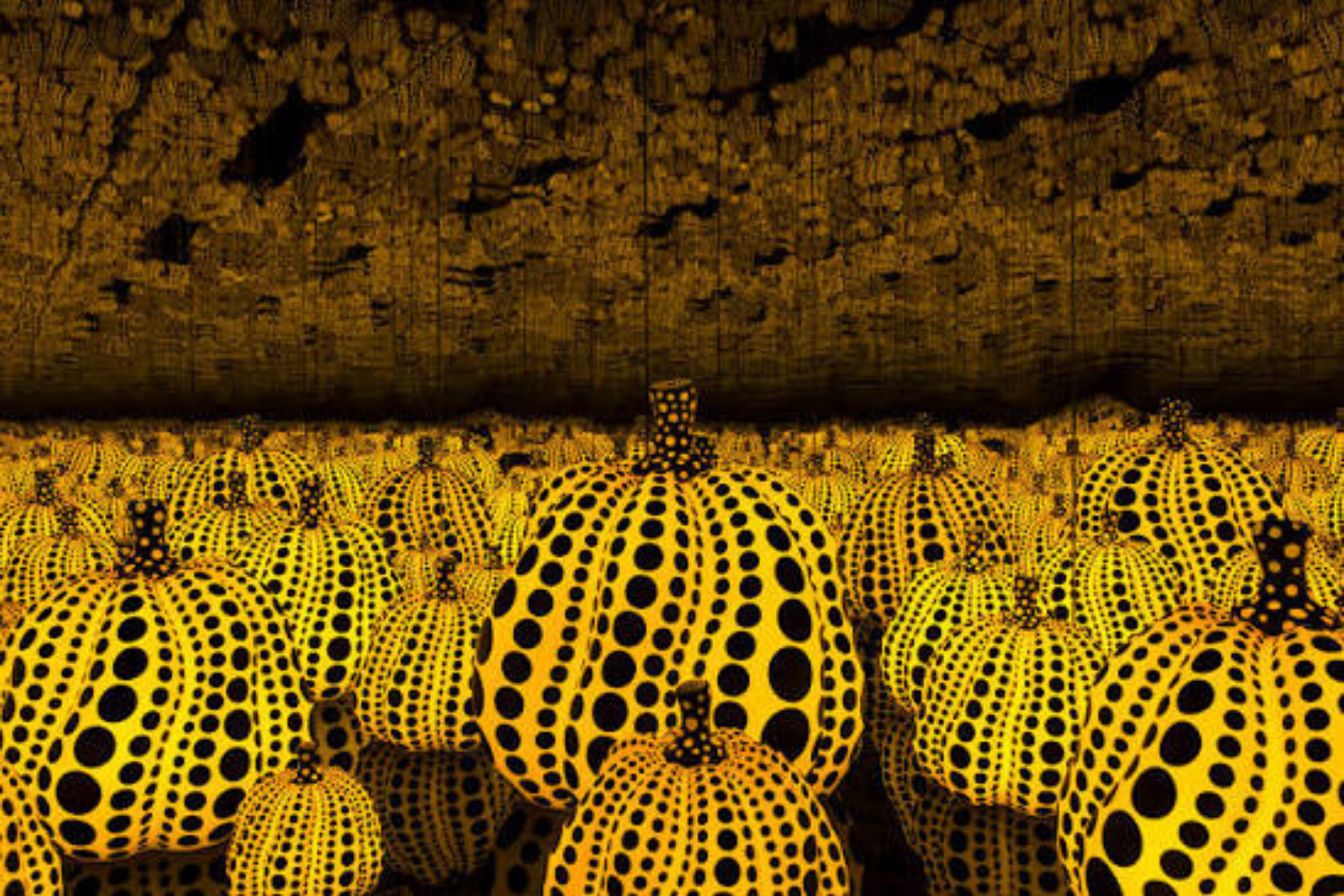
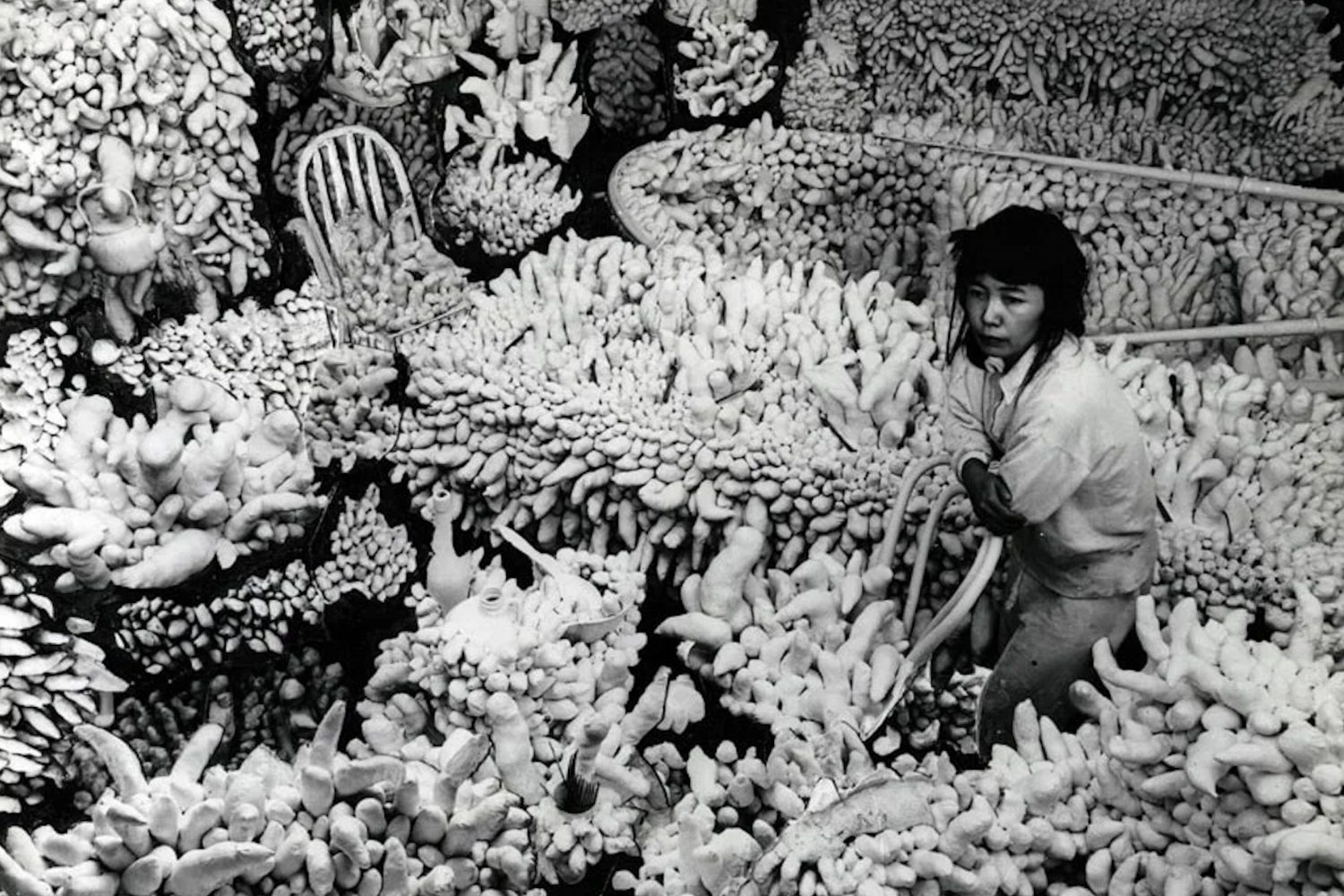
Art became, for Kusama, not just a way of coping with these experiences but also a means of making them visible. Her art practice and methods, such as the repetition of dots, the mirrored rooms, the environments in which she camouflaged herself until she was almost engulfed by them, were all attempts to externalise sensations that were overwhelming. Researchers describe this phenomenon as a form of self‑regulation through repetition: the act of producing patterned, rhythmic visual structures can help organise perception, reduce anxiety, and create a sense of control.
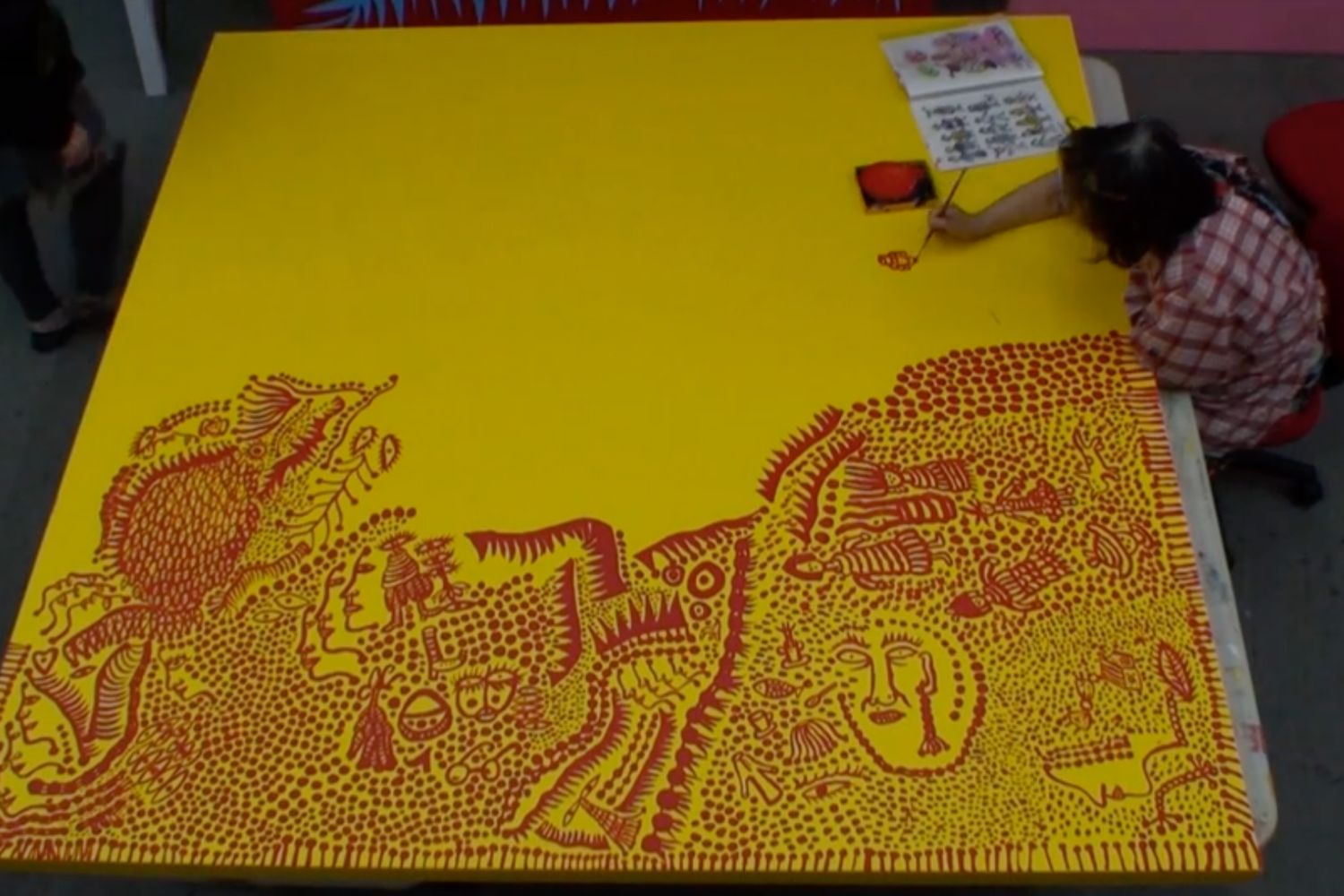
Kusama lived and worked for decades in a mental health hospice in Tokyo, choosing a routine that allowed her to paint every day while receiving long‑term psychiatric support. The studio and the hospital were two sides of the same structure. While one offered care, the other offered a way to channel the intensity of her inner world. Her work is, therefore, a window into how other people suffering similar perceptual disturbances might have felt.
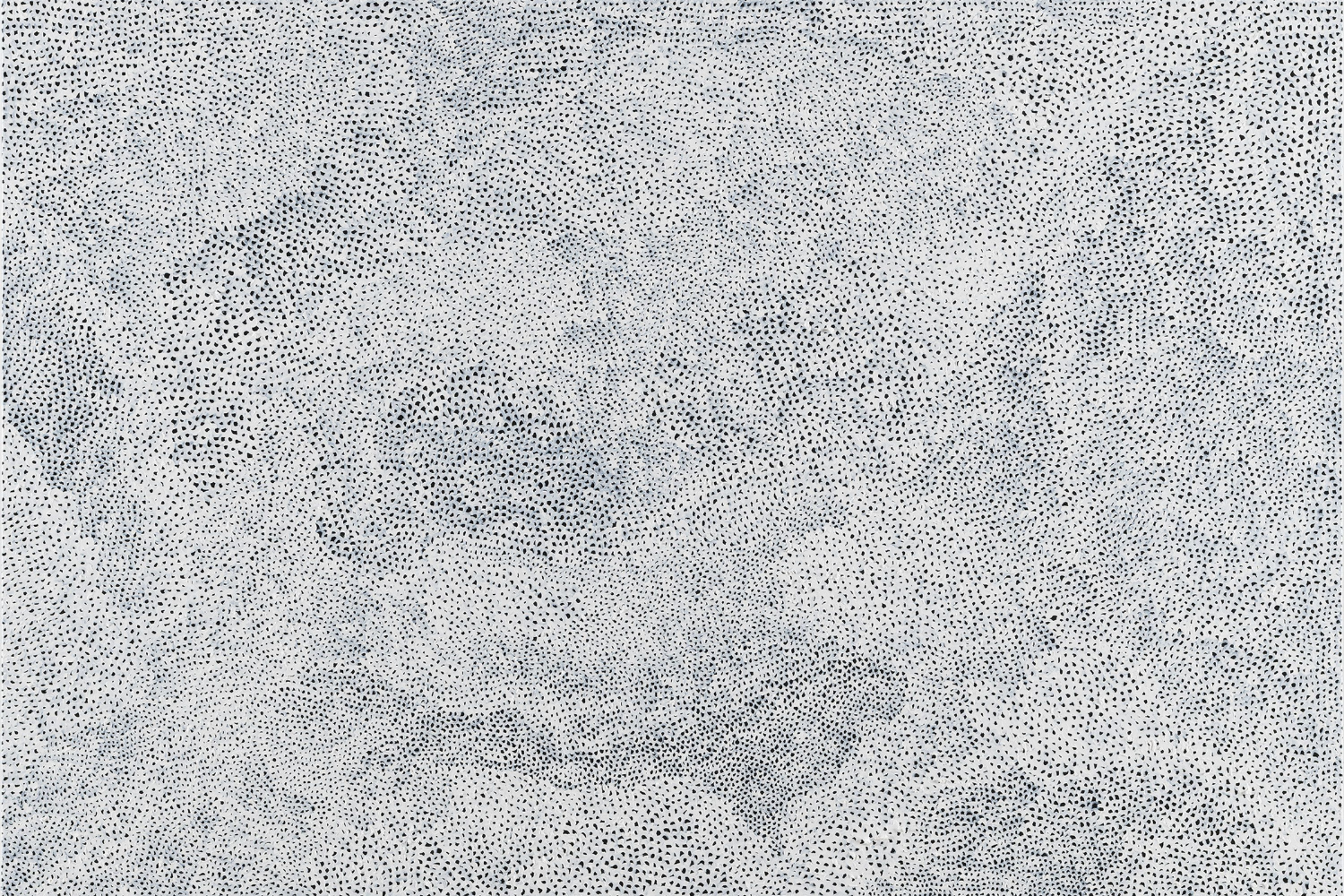
She described experiencing hallucinations of lights, auras, and dense fields of dots that appeared to settle over objects, rooms, and her own body. These sensations later became the organising principles of her art. For example, her early Infinity Nets echo the persistence of afterimages. Kusama wrote that after looking at a flower pattern, she continued to see its imprint everywhere. Researchers note that this resembles palinopsia, a condition in which visual impressions linger and repeat.
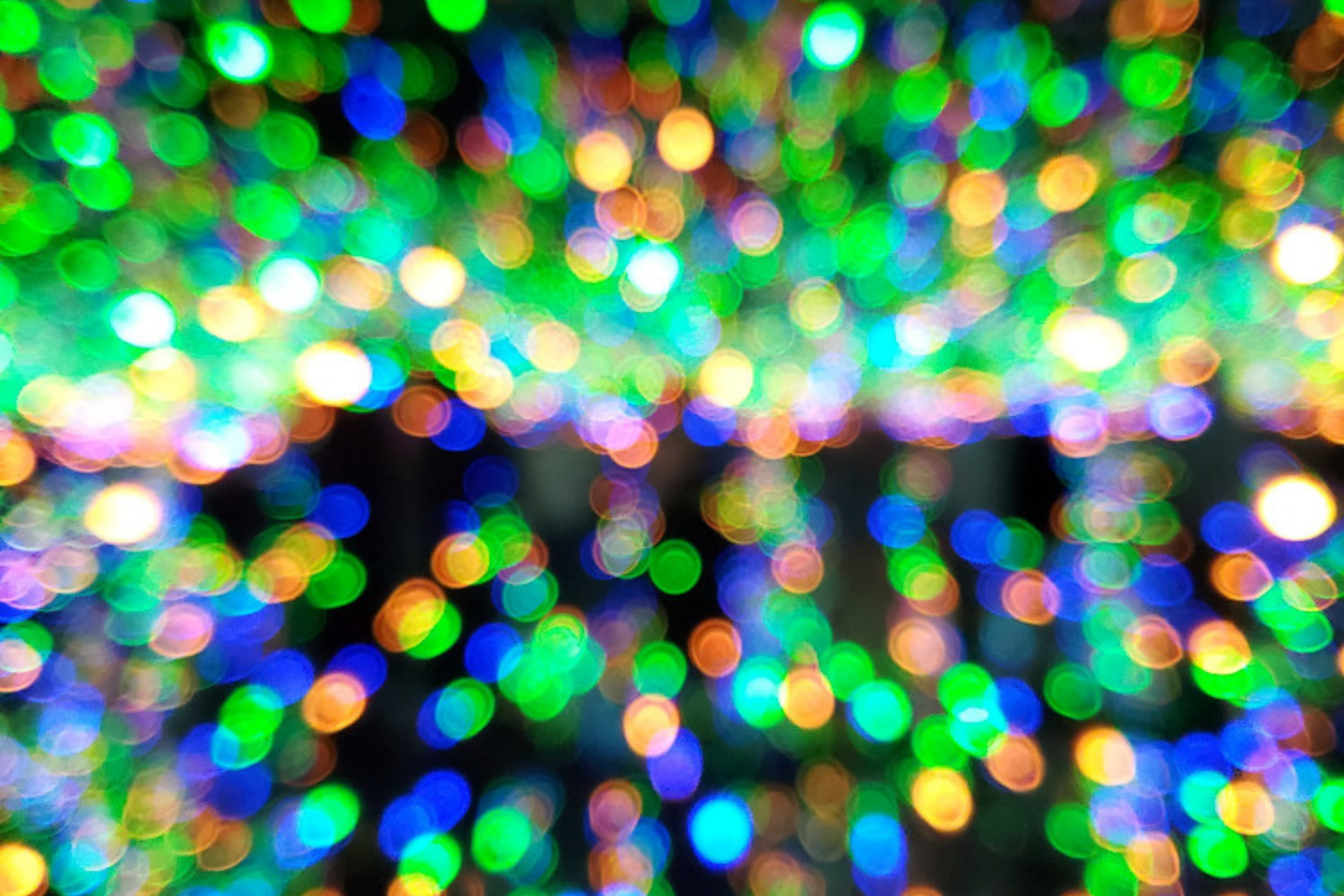
Her mirrored rooms, filled with flickering points of light, have been compared to visual snow syndrome, immersing viewers in the kind of static‑like perceptual field she herself reported. Even her famous pumpkins (which range between monumental and miniature scales) mirror the instability of size perception. And the patterns she felt “crawling across her skin” correspond to altered body‑size perception, showing how her somatic hallucinations are also integrated into her work.
Much of Kusama’s visual language emerges from her psychological distress and early trauma. Her childhood was marked by fear, strict punishments, and the emotional confusion of being forced to spy on her father’s infidelities. These experiences left deep marks, and critics often read her soft sculptures – the proliferating phallic forms – as responses to the aversion and anxiety that shaped her relationship to sexuality.
Whatever the nature of her struggles, Kusama was not alone. Many famous artists have lived with psychological or perceptual disturbances, from Vincent Van Gogh to Edvard Munch, and their work often becomes inseparable from the conditions they navigated. Whether art offers refuge or becomes a direct expression of altered perception, it remains a space where inner turmoil can be transformed into something valuable that is shared, seen, and finally understood.
Reference:
Liquard L, Ho R, Carrazana E. Yayoi Kusama’s Art and Its Clinical Relevance to Neurovisual Phenomena. Cureus. 2026 Feb 6;18(2):e103112. doi: 10.7759/cureus
Ana Teles for London Art Walk
September 2026