
Five British Galleries at Frieze 2026: Lisson Gallery, Victoria Miro, White Cube, Hales, and Sadie Coles HQ
A walk through Frieze quickly reveals the extent to which the fair is rooted in the city that gave birth to it. Alongside the many international galleries that travel to Regent’s Park each October, a significant proportion of exhibitors are London-based galleries that have helped, and continue to help shape the city’s artistic identity.
The five galleries highlighted here represent a distinct approach to exhibiting contemporary art. At Frieze London and Masters 2026, their presentations reflected the diversity, ambition, and international outlook that continue to define London’s gallery scene during its busiest week of the year.
Lisson Gallery
The longest-established gallery in this selection, Lisson Gallery was founded in 1967 and has played a pivotal role in the development of conceptual and minimalist art, championing figures such as Sol LeWitt, Donald Judd, Stanley Whitney, Anish Kapoor, among many others.
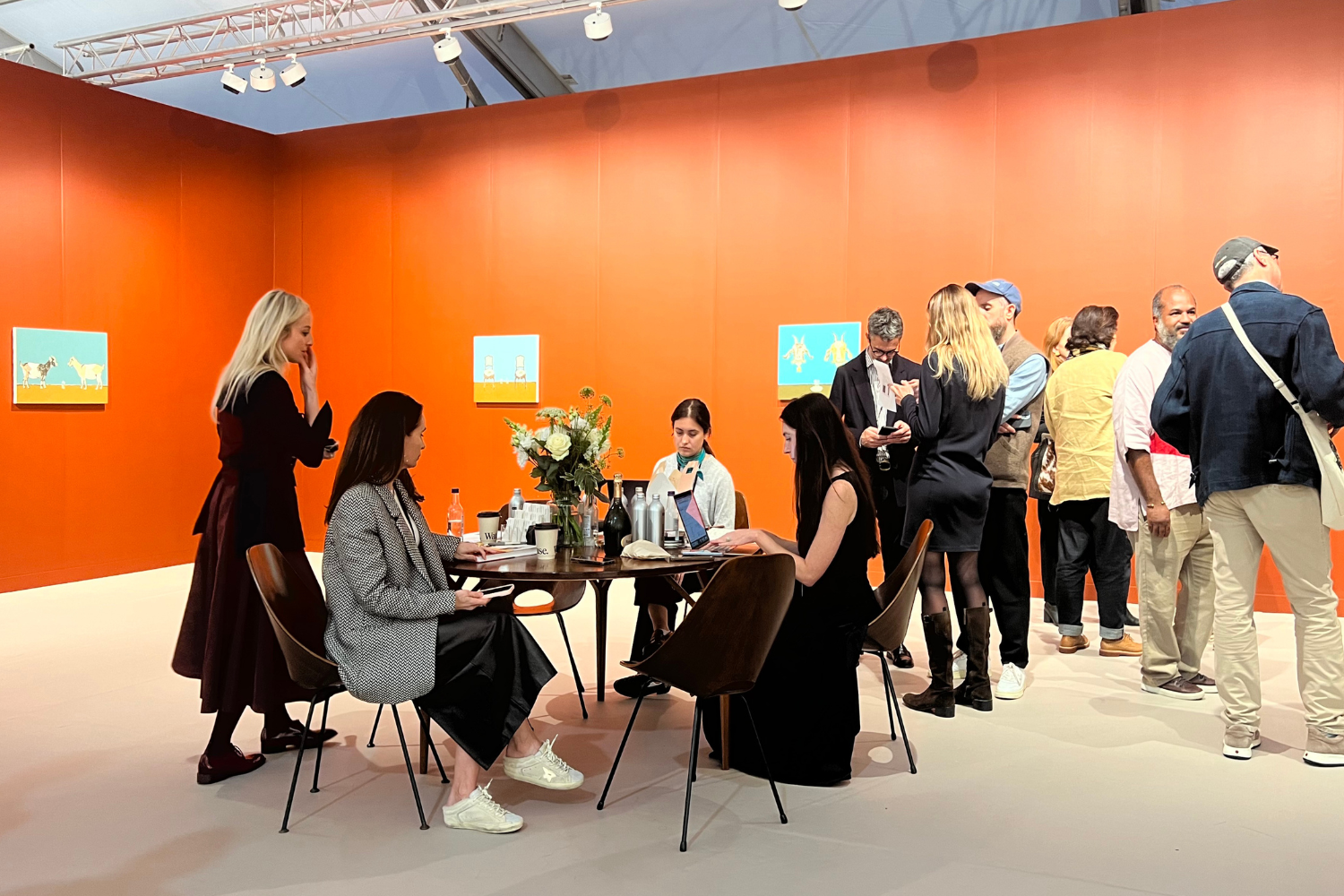
For Frieze London 2026, Lisson presented one of the fair’s most poetic booths. Set against walls painted in deep orange, the presentation focused on works by Brazilian artist Dalton Paula. Through paintings depicting people, objects, and scenes charged with symbolism, Paula explored questions of identity and historical visibility. The warmth of the display created a contemplative atmosphere that stood out amid the visual intensity of the fair.
Victoria Miro
Founded in 1985, Victoria Miro has become one of London’s most respected galleries. From its original space in Cork Street, the gallery has expanded to its well-known waterside premises in Islington and a second location in Venice.
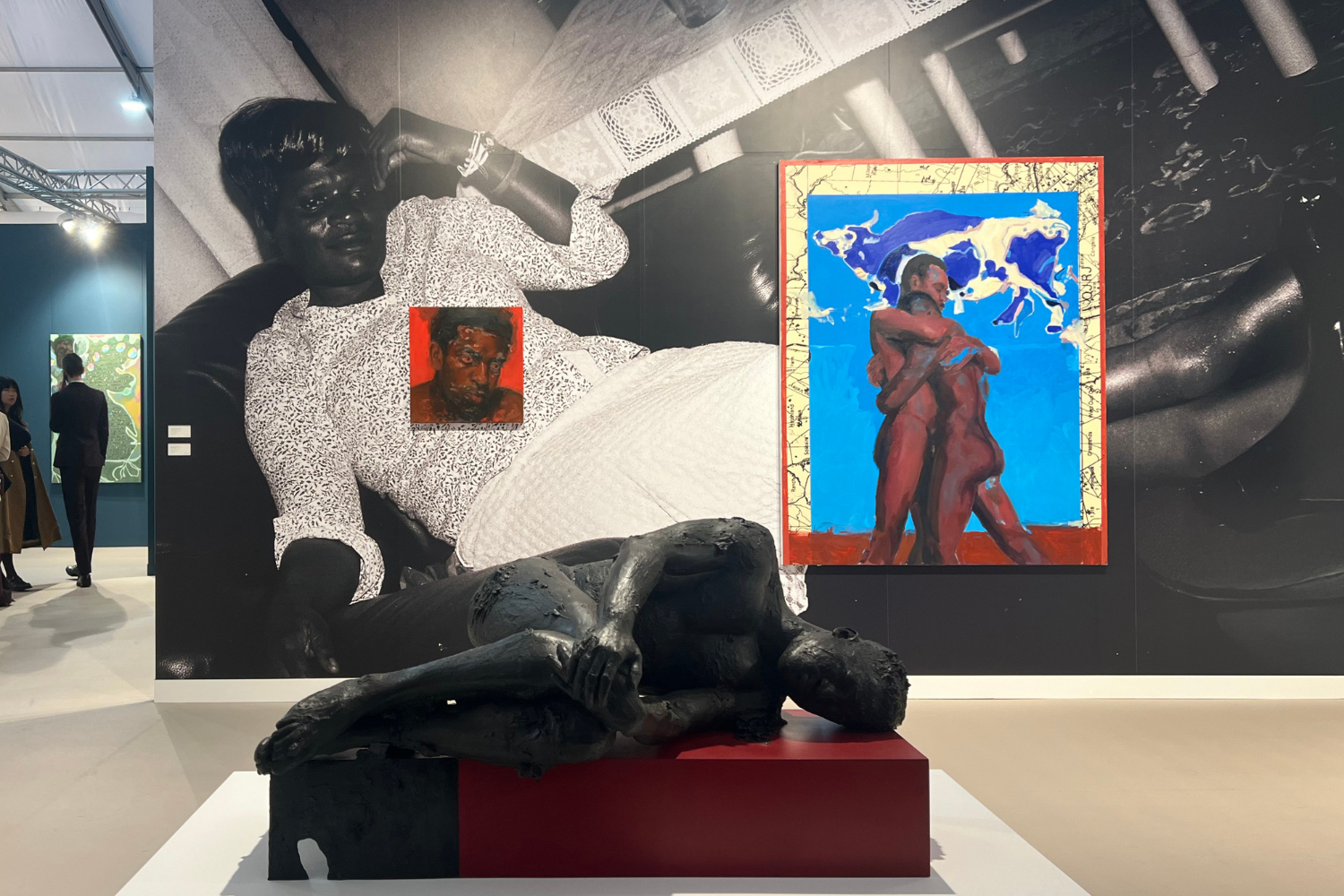
At Frieze London 2026, Victoria Miro presented a carefully curated selection that reflected the breadth of its programme, bringing together artists working across painting, sculpture, and installation. As with the gallery’s wider programme, the emphasis was on ambitious contemporary practices balanced with a strong commitment to long-term relationships with artists. Victoria Miro presented a booth centred on new paintings and a sculpture by Kudzanai-Violet Hwami, installed by the artist herself. The presentation was complemented by works by artists including Paula Rego, Wangechi Mutu, Chris Ofili, Isaac Julien, and Clare Woods.
White Cube
Founded by Jay Jopling in 1993, White Cube began as a project room on Duke Street, St James’s, literally a white cube, a room within a room. The gallery has since expanded to London (Mason’s Yard and Bermondsey), Hong Kong, Paris, Seoul and New York, and its Bermondsey space has staged museum-scale exhibitions by artists such as Antony Gormley, Anselm Kiefer, and Mona Hatoum.
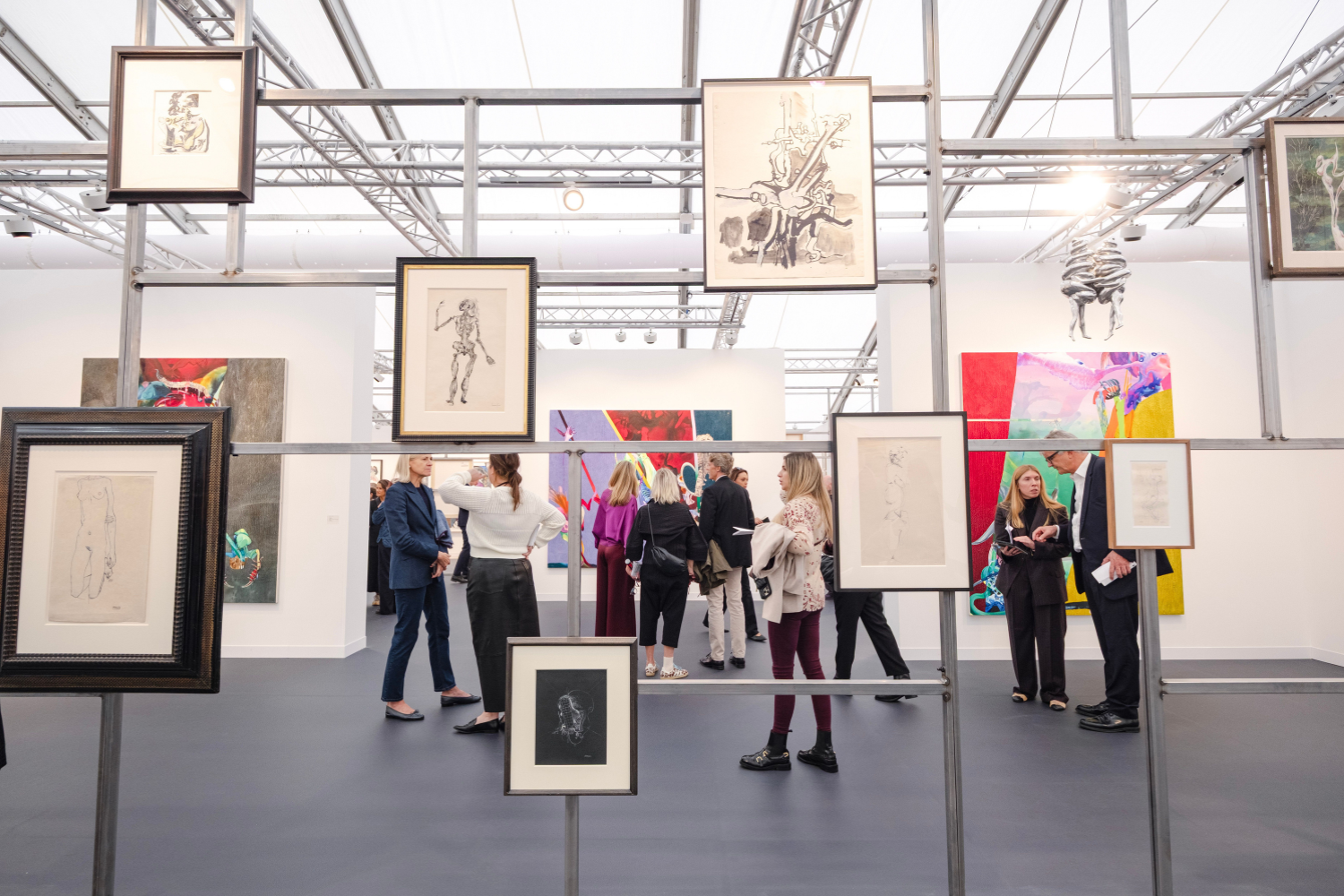
At Frieze London 2026, White Cube presented one of the fair’s most engaging booths. It was a solo presentation of new paintings and works on paper by Ilana Savdie, arranged across an open grid and shown in dialogue with works by artists whose practices resonate with her own. Her saturated pinks, purples and greens draw on the exuberance of the carnival in her hometown of Barranquilla, Colombia. The display made visible the connections between her fluid, abstract forms and works from different times, placing her practice within a lineage of artists exploring the boundaries of the body.
Hales
Founded by Paul Hedge and Matthew Hales in 1992 in the basement of a café in South London, Hales has grown into one of the UK’s leading contemporary galleries, with spaces in both London and New York. Long before diversity and representation became central concerns of institutional programming, the gallery built a reputation for championing artists whose work had been marginalised or overlooked.
Its Frieze London presentation reflected this commitment, bringing together new and historical works by artists including Wilhelmina Barns-Graham, Anthony Cudahy, Shezad Dawood, Chitra Ganesh, Sunil Gupta, Haroun Hayward, Hew Locke, and Kay WalkingStick, among others.
At Frieze Masters, the gallery took a more focused approach with a solo exhibition dedicated to Kay WalkingStick. Featuring paintings from the 1970s and 1980s, the display included rich purples, reds, and browns arranged in compositions inspired by Native American tipis and the sculptural folds of draped fabric. It offered an opportunity to revisit a formative period in the celebrated artist’s practice and to reaffirm her place within post-war art history.
Sadie Coles HQ
Founded by Sadie Coles in 1997, the gallery has grown into one of London’s most influential contemporary art spaces, with several locations across the city, including its enormous Kingly Street gallery in Soho.
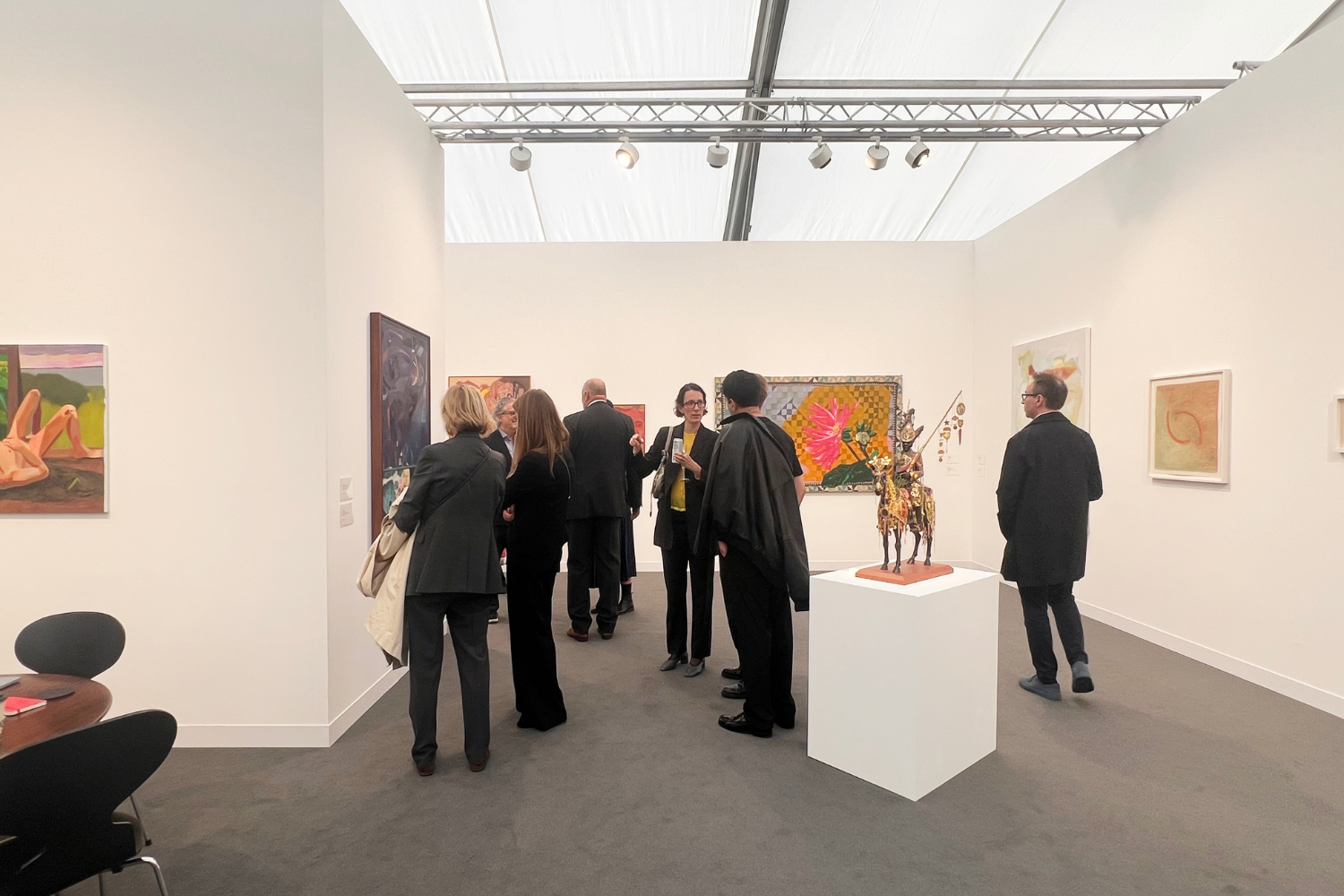
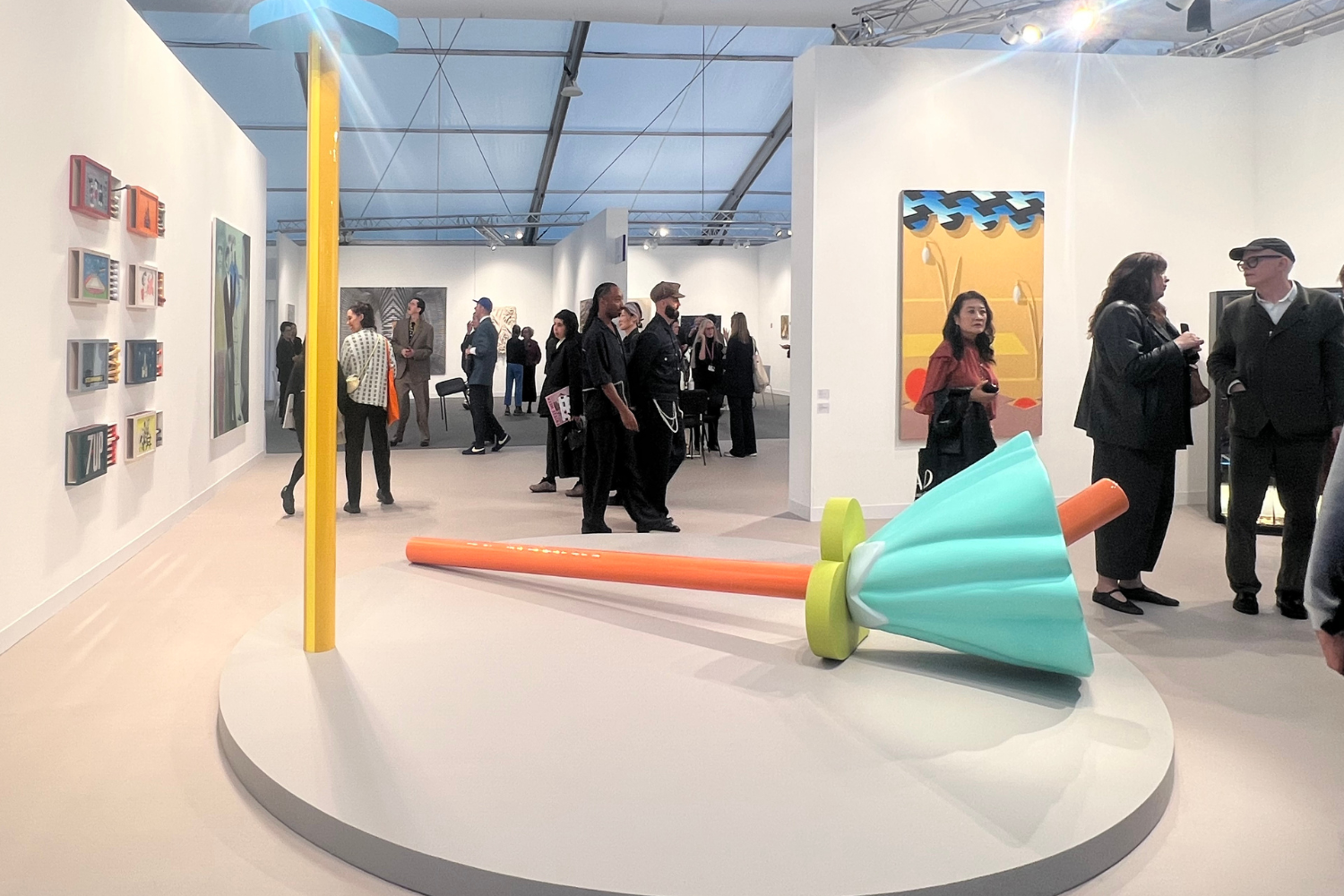
At Frieze London, Sadie Coles HQ presented a visually striking booth centred around Princess Daffodil by Alex Da Corte, a playful installation featuring oversized flowers rendered in the artist’s distinctive pop-inflected language.
The presentation also brought together works by some of the gallery’s best-known artists, including Alvaro Barrington, Sarah Lucas, Helen Marten, and Karimah Ashadu. The Contemporary Art Society’s Collections Fund acquired works by the latter, further validating the artist’s institutional recognition.
London’s long position as one of the world’s leading art centres is not accidental. Its strength lies in its ability to support emerging talent, accommodate artistic risk, attract international collectors and institutions, and foster conversations that resonate far beyond the UK. Artists from around the world continue to come to London to study, work, and exhibit, contributing to a rich and constantly evolving cultural landscape.
The gallery ecosystem reflects this vitality. If some longstanding galleries have struggled to adapt to changing economic conditions, others continue to expand, and new spaces emerge with fresh ambitions and programmes.
Ana Teles for London Art Walk
October 2026