
What to look forward to in 2026
London rarely fails to satisfy the culturally curious, and 2026 offers ample evidence of its continued standing as one of the world’s most varied and ambitious centres for art.
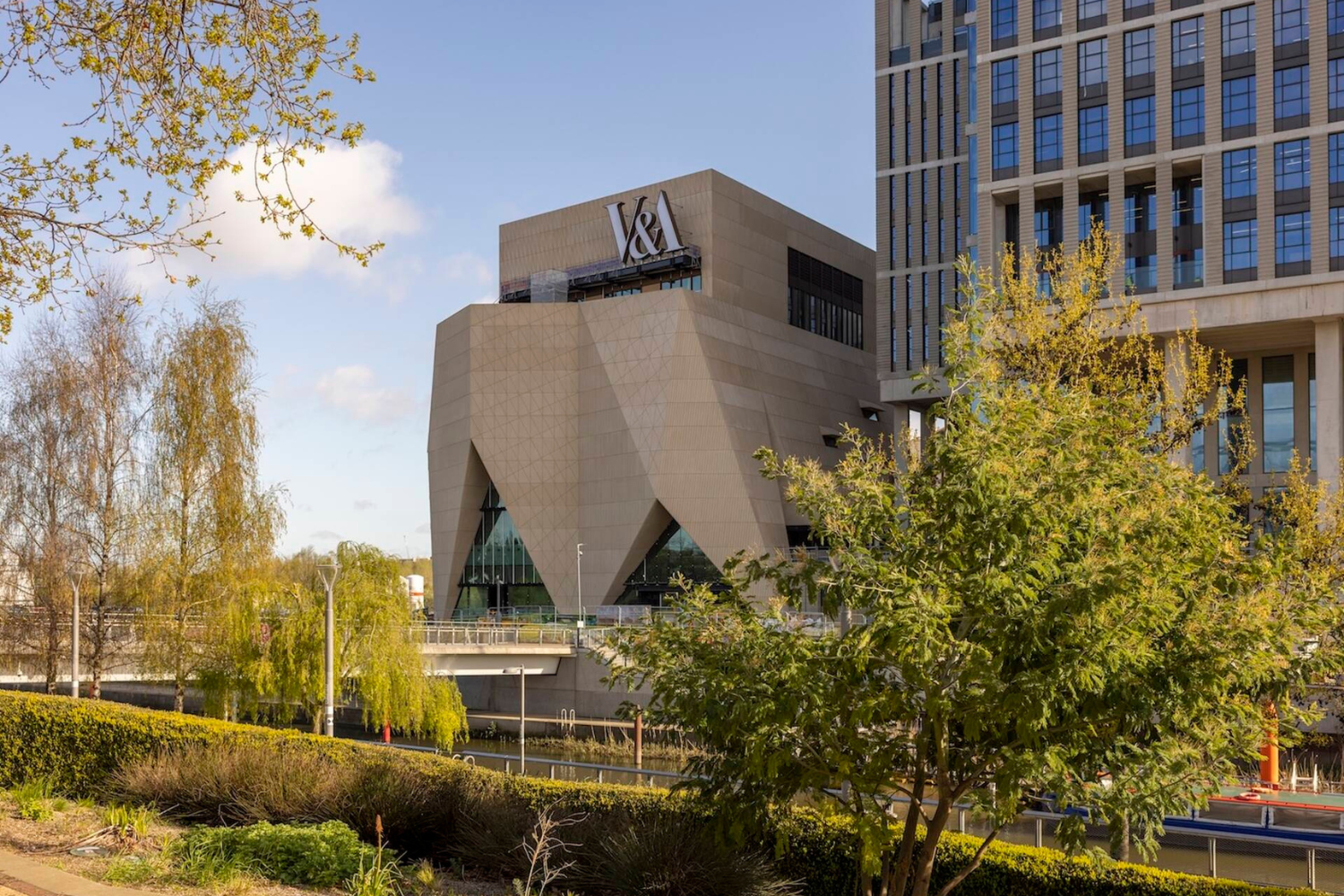
The most significant institutional development is the expansion of the Victoria and Albert Museum. Following last year’s opening of the V&A East Storehouse, April will see the launch of the V&A East Museum in Stratford. The new building will open with two permanent free galleries, bringing more than 500 objects from the V&A’s vast collections into public view. Under the shared title Why We Make, the displays aim to address questions in contemporary culture, drawing unexpected connections across time periods, geographies, and creative disciplines.
Elsewhere, London’s major museums continue to balance long-established figures with contemporary perspectives. The National Gallery will stage the first UK exhibition devoted to the Spanish painter Francisco de Zurbarán. Large-scale religious commissions will be reunited with still-lives and more intimate works originally intended for domestic settings.
Global narratives are a recurring theme. The British Museum will bring exceptional objects from Hawai’i’s history and will also trace the figure of the Samurai from the battlefields of medieval Japan to their reinvention in modern popular culture. While the Dulwich Picture Gallery turns to Katsushika Hokusai’s celebrated Mount Fuji print series. Together, these works reveal how the artist returned obsessively to the same subject, capturing the famous mountain across various viewpoints and seasons more than two centuries ago.

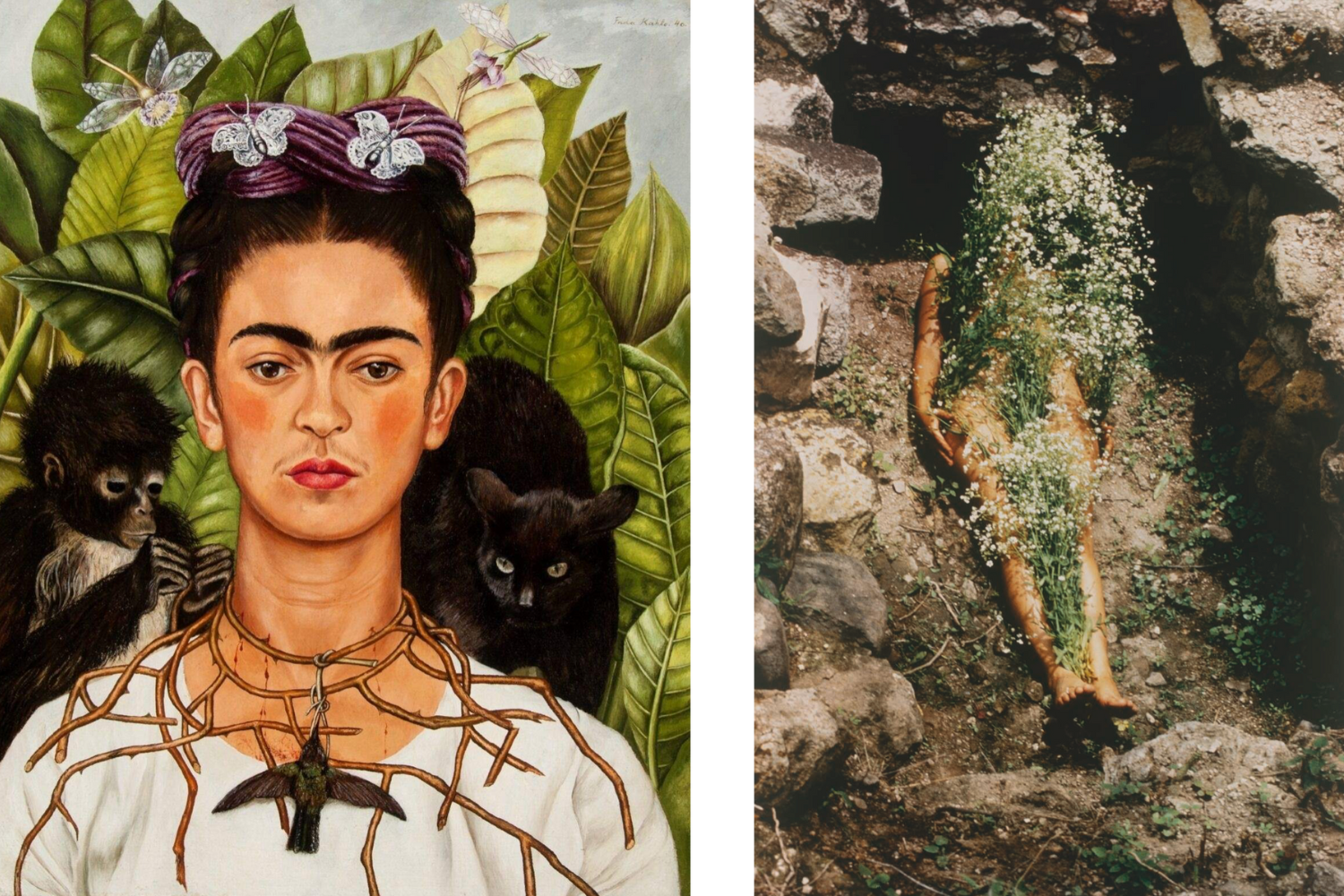
Looking across the Atlantic, several London institutions will turn their attention to the Americas. Tate Modern is preparing a major exhibition of the work of Frida Kahlo, presenting her many constructed selves: wife, intellectual, modernist, and political actor. Shortly afterwards, the museum will open a long-awaited survey of the Cuban artist Ana Mendieta, featuring remastered films, early paintings, and late sculptural works, many of them shown in the UK for the first time. Meanwhile, Raven Row will present an exhibition of the American conceptual artist Christine Kozlov, who withdrew from the art world in the 1970s as a form of protest, and The Barbican will host the first UK retrospective of Colombian artist Beatriz González, whose work has long interrogated politics, media, and memory in Latin America.
Maritime themes also surface across the year: The Royal Academy will explore representations of the French Riviera depicted by Matisse, Cezanne, Picasso, and Monet, and the Courtauld will focus on Seurat and the Sea. Later, attention turns to Barbara Hepworth, whose abstract sculptures were profoundly shaped by the coastal landscapes of Cornwall where she lived and worked.

British art remains firmly in focus: Tate Britain will present Hurvin Anderson’s first major solo exhibition, alongside The 90s, a survey bringing together photography and visual art that captured a period of cultural confidence and transition. At the Serpentine, Cecily Brown’s expressive intensity contrasts with the sentimentality of David Hockney’s landscape paintings. Rose Wylie becomes the subject of the Royal Academy of Arts’ second major exhibition dedicated to a woman artist, reaffirming her position as one of the most distinctive figures in contemporary British painting.
These highlights represent only part of a much broader programme. Beyond the major institutions, commercial galleries – particularly in Mayfair – will also present significant artists, sometimes in dialogue with museum exhibitions. For those seeking a more guided engagement, London Art Walk offers personalised tours, led by artists, curators and art historians, who can provide a range of perspectives on the conceptual, historical, and material dimensions of the exhibitions.
Ana Teles for London Art Walk
January 2026