
The Cultural Scene of Fortaleza
Fortaleza is experiencing a moment of intense activity in the visual arts, being one of the main cultural hubs of Northeast Brazil. Recent visits to the Centro Dragão do Mar de Arte e Cultura, the Pinacoteca do Ceará, and the Museu da Fotografia reveal not only the wealth of the city’s collections and exhibitions but also the strength of an artistic scene that engages with both local and universal questions, connecting past and present through diverse artistic languages.
Centro Dragão do Mar de Arte e Cultura
Inaugurated in 1999, the Centro Dragão do Mar de Arte e Cultura represents a landmark in democratising access to culture in Fortaleza. The cultural complex was conceived by sociologist Paulo Linhares during Governor Ciro Gomes’s administration in the 1990s. Its name pays homage to Francisco José do Nascimento, known as Chico da Matilde, a jangadeiro (raft fisherman) who became a symbol of the abolitionist movement in Ceará. In 1881, he refused to transport enslaved people to be sold in the south of the country—an act that precipitated the abolition of slavery in Ceará province in 1884, before the Golden Law. This connection perpetuates the importance of this figure in Ceará’s history and identity, symbolically permeating the vocation of this cultural institution.
Designed by Ceará architects Delberg Ponce de Leon and Fausto Nilo, the Dragão do Mar contrasts with the historic mansions of the Praia de Iracema area, contributing to the revitalisation of the old port district. The complex houses the Museum of Contemporary Art of Ceará, the Dragão do Mar Theatre, the Cinema do Dragão screening rooms, the Rubens de Azevedo Planetarium, the Sérgio Mota Amphitheatre, and the Memorial of Ceará Culture.
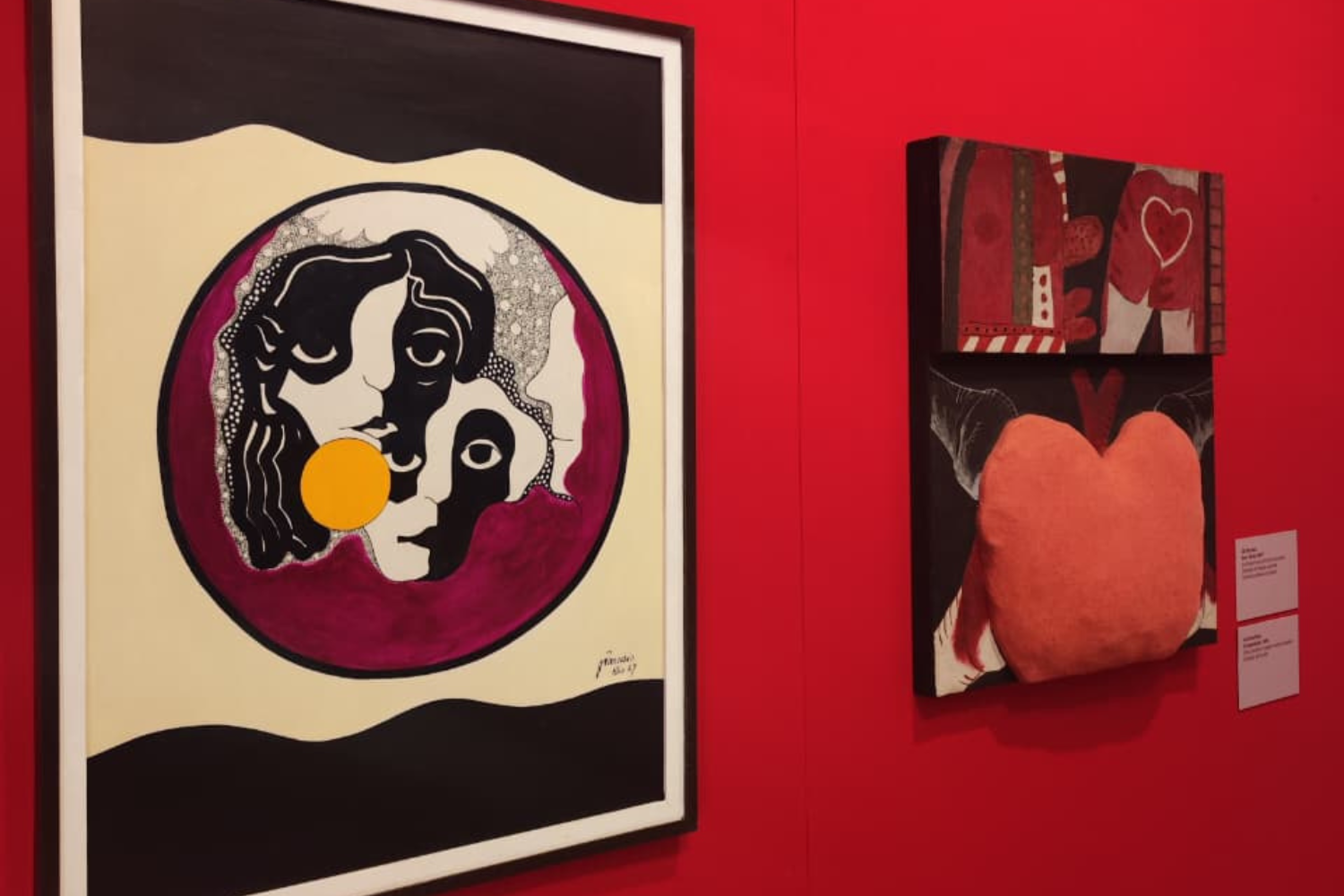
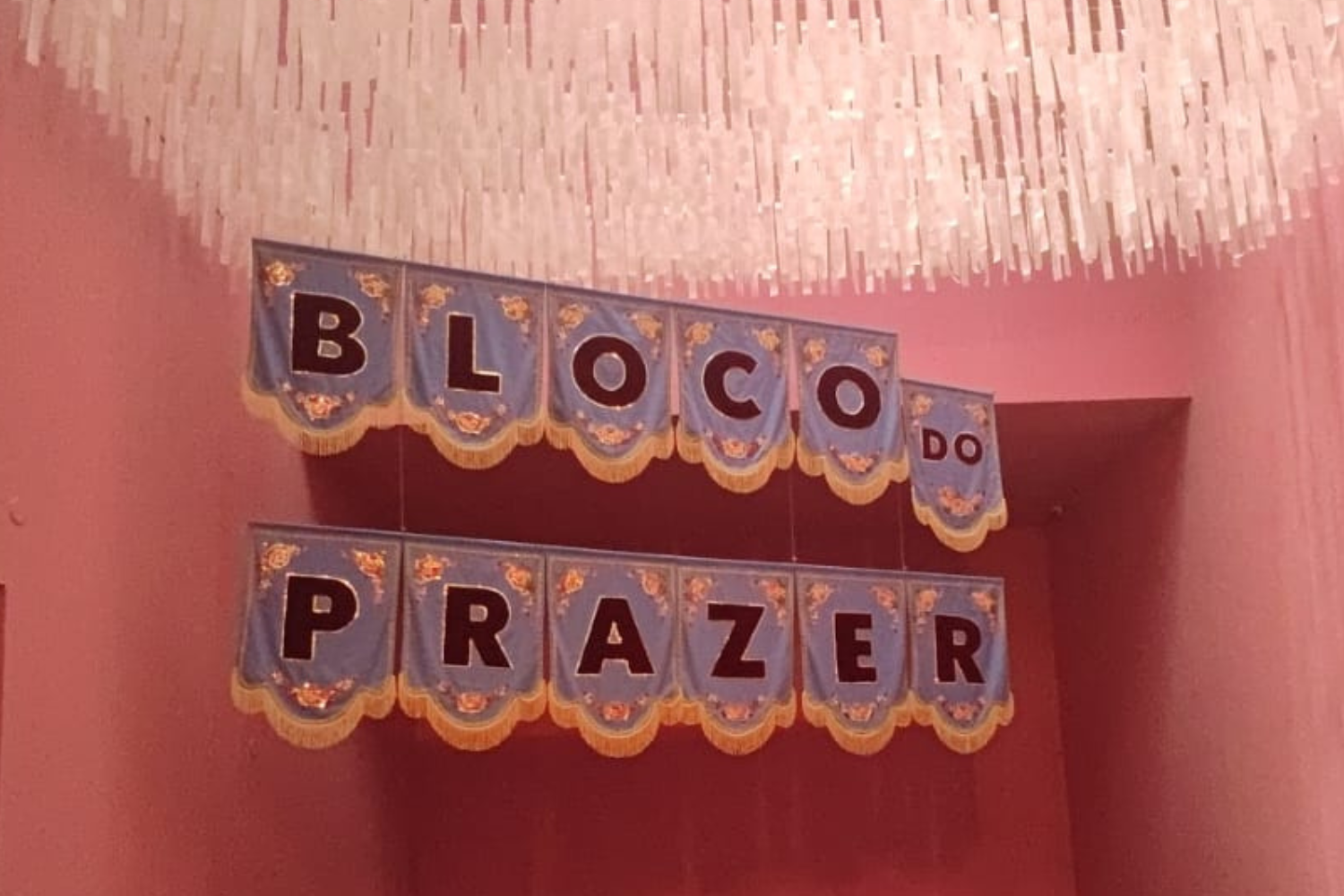
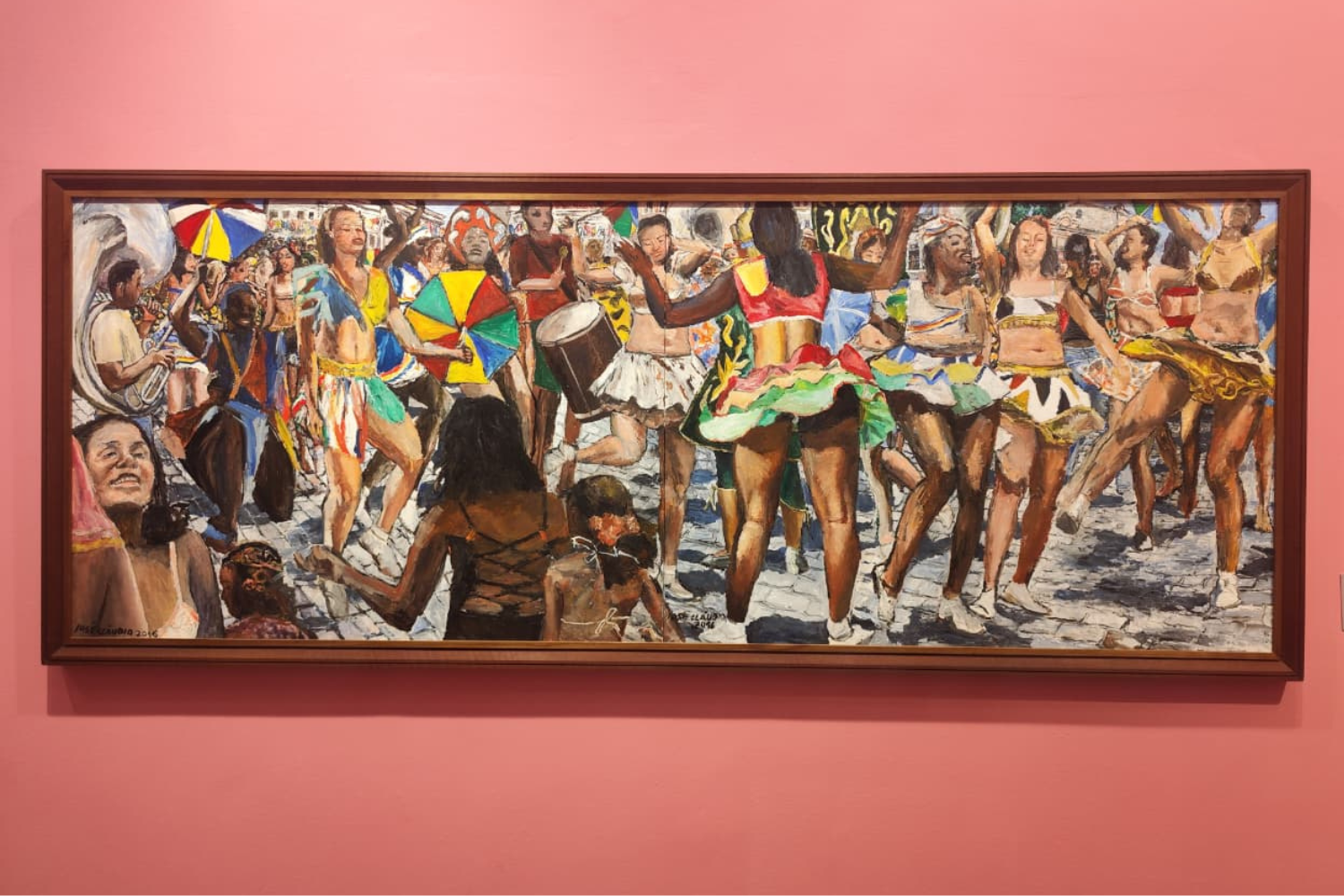
Currently, one of the featured exhibitions at the Museum of Contemporary Art of Ceará (MAC) is “Bloco do Prazer”, a project by composer and architect Fausto Nilo that takes its name from a song to reflect on moments of joy and collective catharsis, especially during the early years of amnesty in the 1980s—a period marked by renewed hope for Brazilian arts and culture, whilst also honouring three fundamental MPB artists: Fausto Nilo himself, Moraes Moreira, and Gal Costa. By bringing together different artists and artistic languages, the curatorship proposes thinking about celebration as a territory of political resistance and cultural affirmation, where festivity becomes a gesture of freedom and the reclaiming of spaces after years of repression.
The exhibition gathers a diverse range of artists from different periods and regions, who engage both with the political period of the early amnesty years in the 1980s and with contemporary questions about celebration, resistance, and popular culture. Among the featured names are Heitor dos Prazeres, Antonio Dias, José Claudio, Eduardo Eloy, José Leonilson, Carlos Morais, Hudinilson Junior, Hélio Rola, and Zé Tarcísio, a recently deceased artist. Their works form sections that put the theme of celebration into perspective and address joy, catharsis, and the (re)conquest of freedoms. The exhibition is complemented by an interview with Fausto Nilo, which offers context about the historical period and the motivations behind the project, connecting the song that gives the exhibition its name with the visual manifestations occupying the museum space.
Pinacoteca do Ceará
Decades after the creation of the Centro Dragão do Mar de Arte e Cultura, which established itself as a cultural reference point, Ceará has realised another major historic project for the arts with the inauguration of the Pinacoteca do Ceará—the result of 80 years of demands from the visual arts community in the state. These demands date back to the 1940s and gained momentum in 1966 with cultural managers like Heloísa Juaçaba advocating for the creation of a space dedicated to the arts. They were consolidated in 2011 with the expropriation of 25,000 m² in downtown Fortaleza, including seven warehouses from the former Federal Railway Network.
Inaugurated in 2022, the Pinacoteca occupies 9,275 m² in the historic buildings of the João Felipe Railway Station, within the Estação das Artes Complex. The spaces house four exhibition pavilions, a climate-controlled technical reserve, conservation, restoration, and cleaning laboratories, studios and workshops, an auditorium, café, shop, and multipurpose areas, as well as the João Felipe Station Railway Museum, inaugurated in 2023, which preserves pieces from Ceará’s railway history.
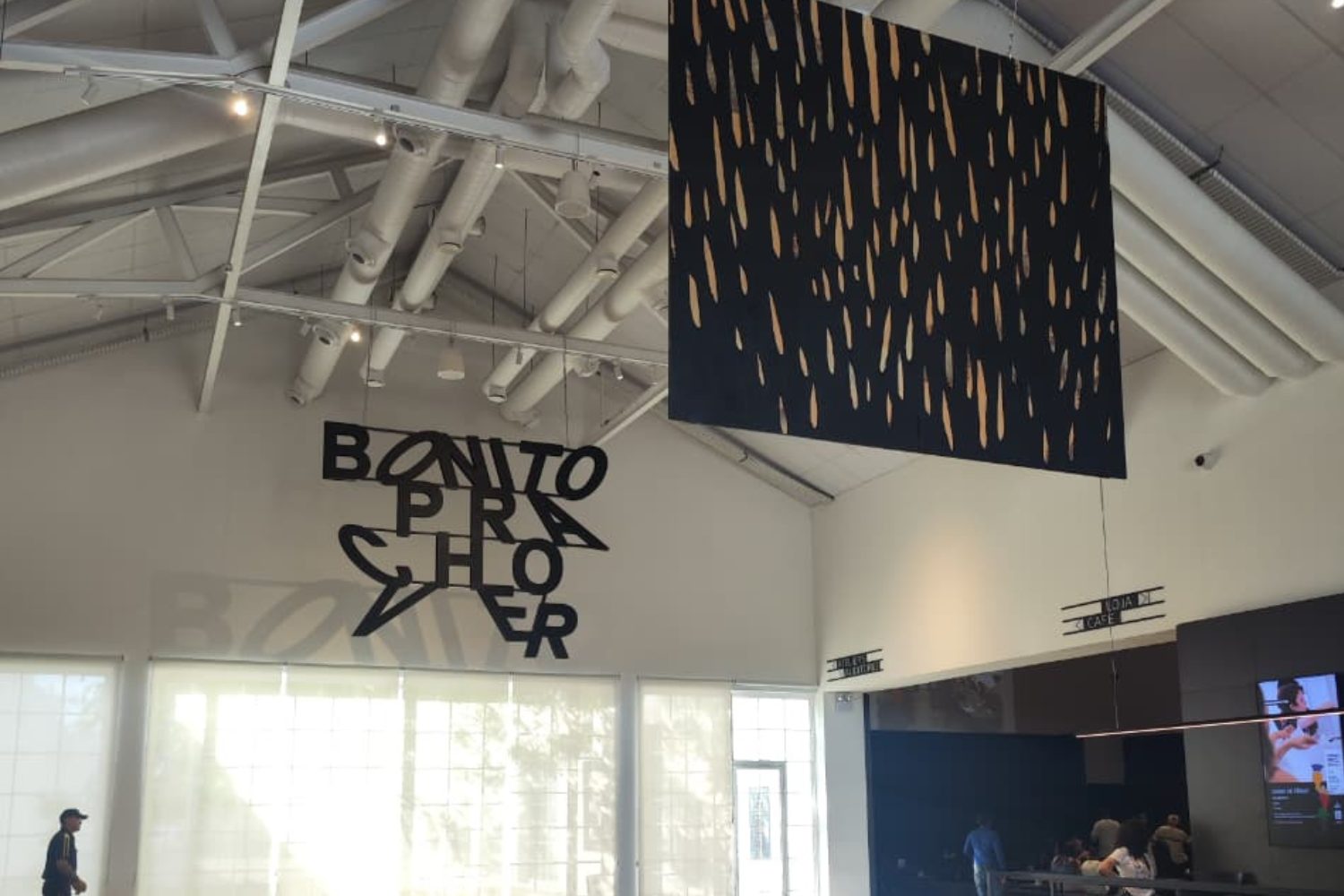
Currently, the Pinacoteca presents four major exhibitions worth highlighting:
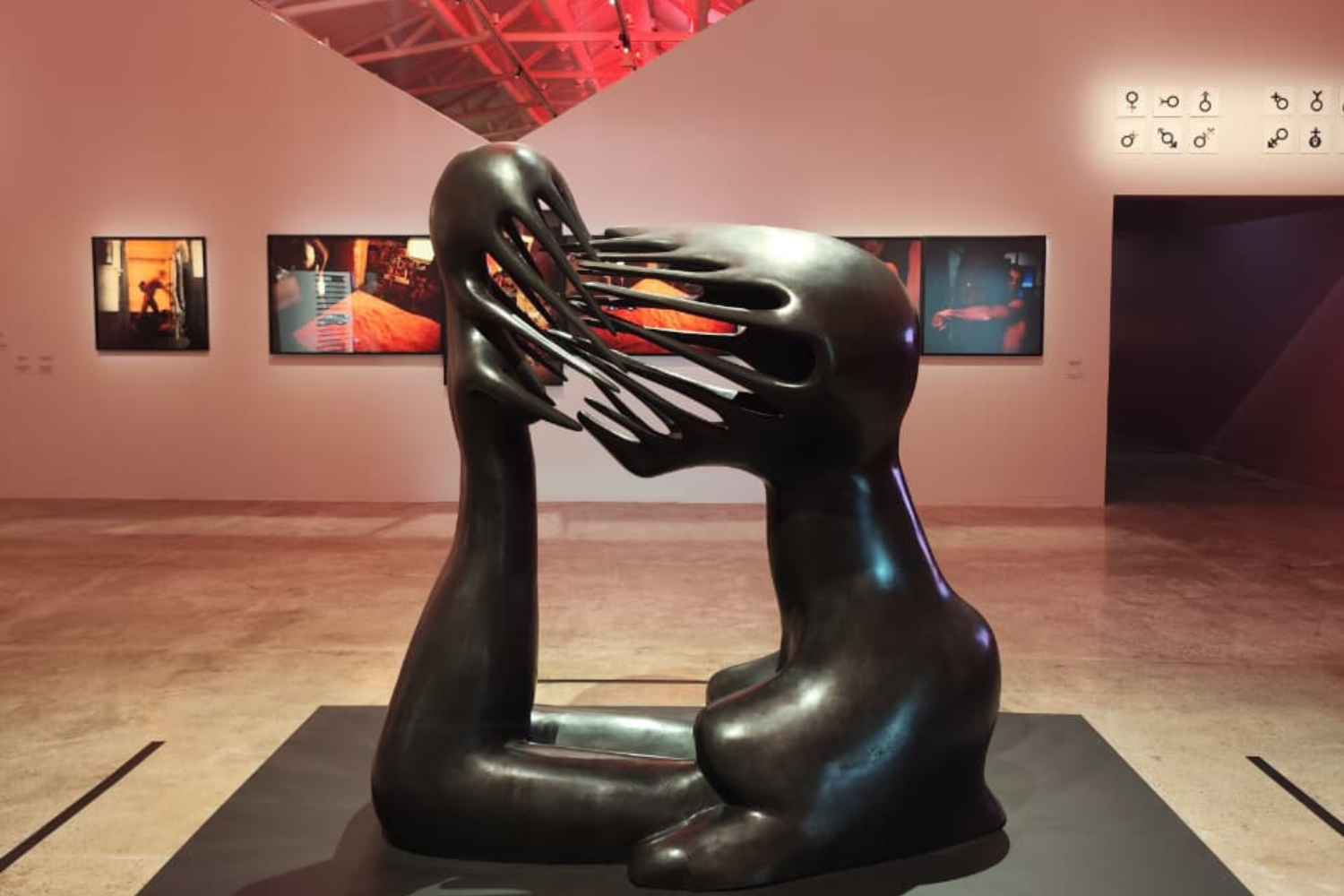
“Corpos explícitos, corpos ocultos” brings together more than one hundred works by major names in modern and contemporary Brazilian art, proposing an in-depth investigation of the body and its complex dimensions in contemporary times, considering it as a protagonist of various historical, social, technological, and existential transformations, according to the curatorial text by Agnaldo Farias and Adolfo Montejo Navas. Among the featured artists are Maria Martins, Tunga, Ismael Nery, Cildo Meireles, Berna Reale, Miguel Rio Branco, Paulo Bruscky, Márcia X, and the Ceará-born Efrain Almeida. The exhibition features works from different institutions and remains on view until 26 April 2026.
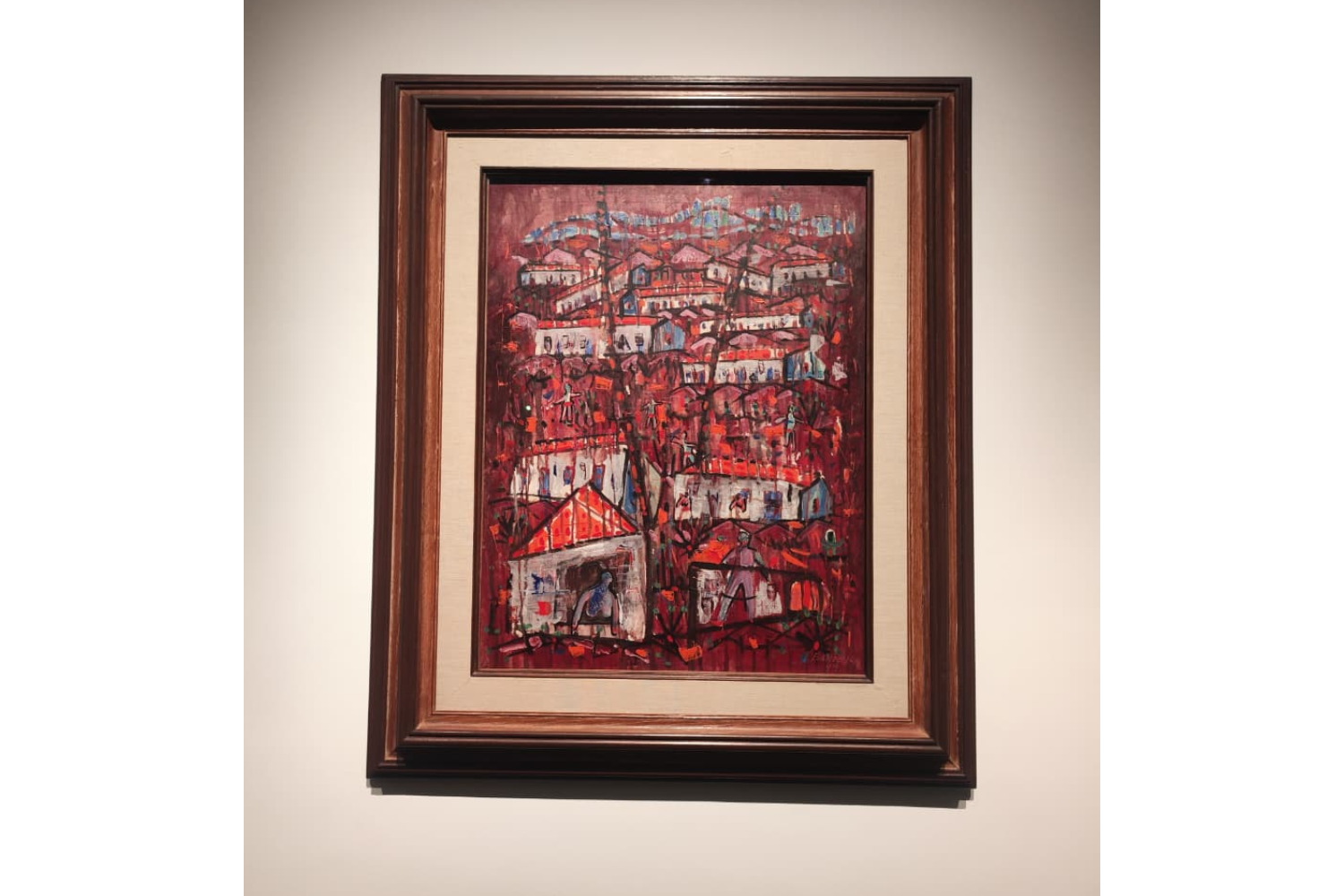
“Amar se aprende amando” celebrates the centenary of Antonio Bandeira, one of Ceará’s most important artists and a pioneer of Brazilian lyrical abstractionism. Self-taught from childhood, Bandeira founded the Centro Cultural de Belas Artes de Fortaleza (1941) at the age of 19 alongside Aldemir Martins and others, promoting local artistic renewal. In 1946, he moved to Paris with a scholarship from the French government, where he studied at the École Supérieure des Beaux-Arts and joined the École de Paris, forming the group Banbryols (1949-1951)—an acronym formed from the initials of the three members’ surnames: Antônio Bandeira (“Ban”), the Frenchman Camille Bryen (“bry”), and the German Wols (“ols”). The exhibition brings together works and documents that reveal his rich artistic trajectory.
Bandeira’s work moves between figuration, marked by scenes of suburban life in Fortaleza, and the lyrical abstraction for which he became internationally recognised. His painting is characterised by intense chromatic research, lyricism, and formal experimentation. Bandeira participated in important exhibitions, including the Venice Biennale in 1960 and various shows in Paris, London, and New York.
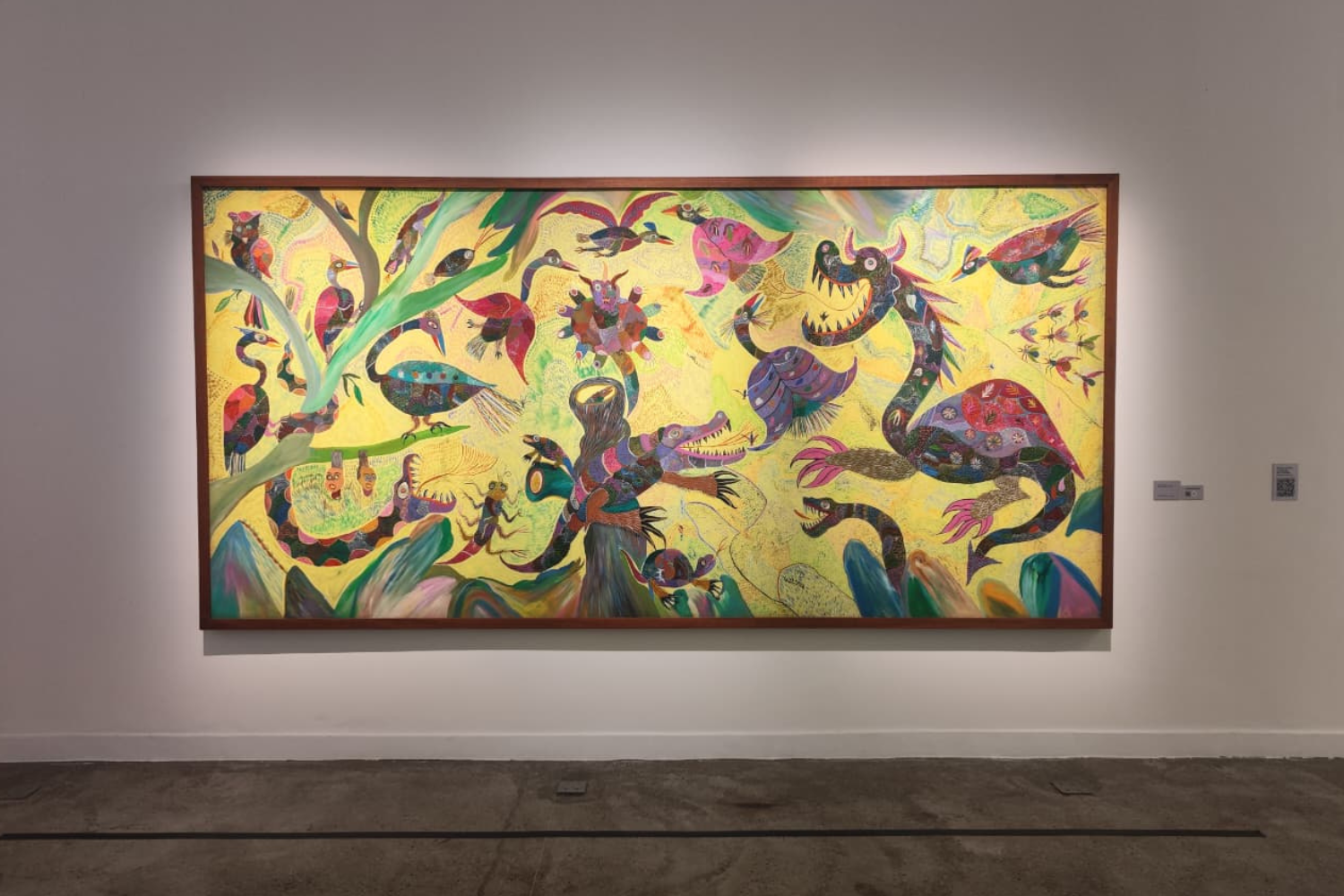
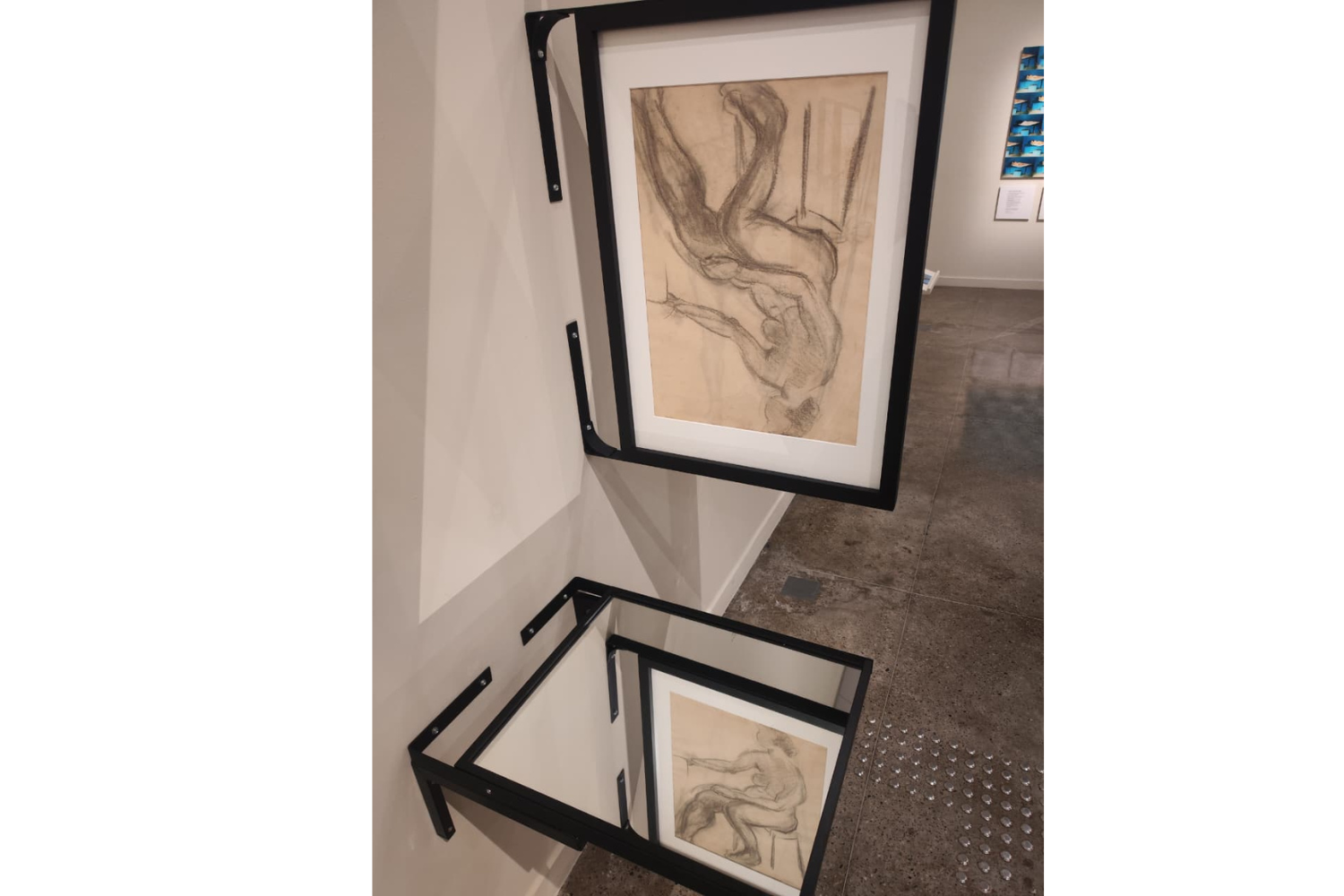
“Existências paralelas – acervo em (des)construção” critically reflects on the formation of a public museum through the concept of neighbourhood, bringing together in five thematic sections works by popular masters, contemporary artists, and highlighting female production that dialogue with each other and break with traditional classifications of Ceará art. The exhibition is collectively curated and runs until 24 May 2026.
Also part of the Pinacoteca’s collection is the Mostra Acervo Pinacoteca do Ceará, with works by Chico da Silva and behind-the-scenes glimpses of the conservation and restoration process. Until January, the museum also displays “MAM São Paulo na Pinacoteca do Ceará: figura e paisagem, palavra e imagem” , a partnership with the Museum of Modern Art of São Paulo that brings together works of modern and contemporary Brazilian art, including names such as Di Cavalcanti, Anita Malfatti, Iberê Camargo, Rosana Paulino, and Alfredo Volpi.
Museu da Fotografia Fortaleza
Completing the circuit of important cultural institutions in the city, the Museu da Fotografia Fortaleza (MFF) is an institution dedicated to the exhibition, interpretation, debate, and dissemination of photographic culture. Inaugurated in 2017, the museum is founded and administered by the Paula and Silvio Frota Institute, which opened to the public one of Brazil’s most traditional photography collections.
Located in the Varjota neighbourhood, the Museum possesses one of the largest photographic collections in the country. The permanent Paula and Silvio Frota collection includes works dating from 1920 to the present day, bringing together the most awarded and recognised photographers from Brazil and around the world, such as Henri Cartier-Bresson, Steve McCurry, Cindy Sherman, and Sebastião Salgado.
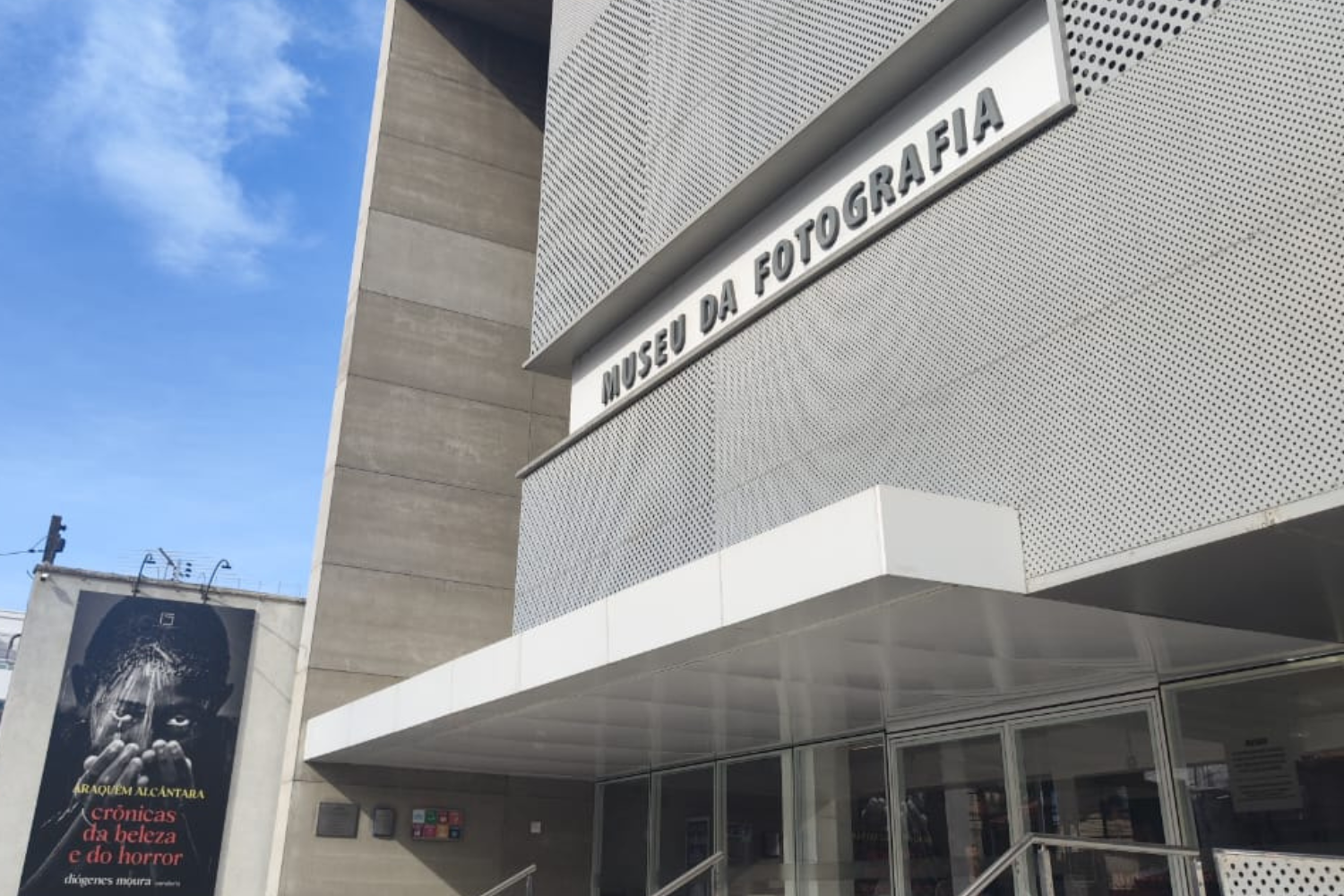
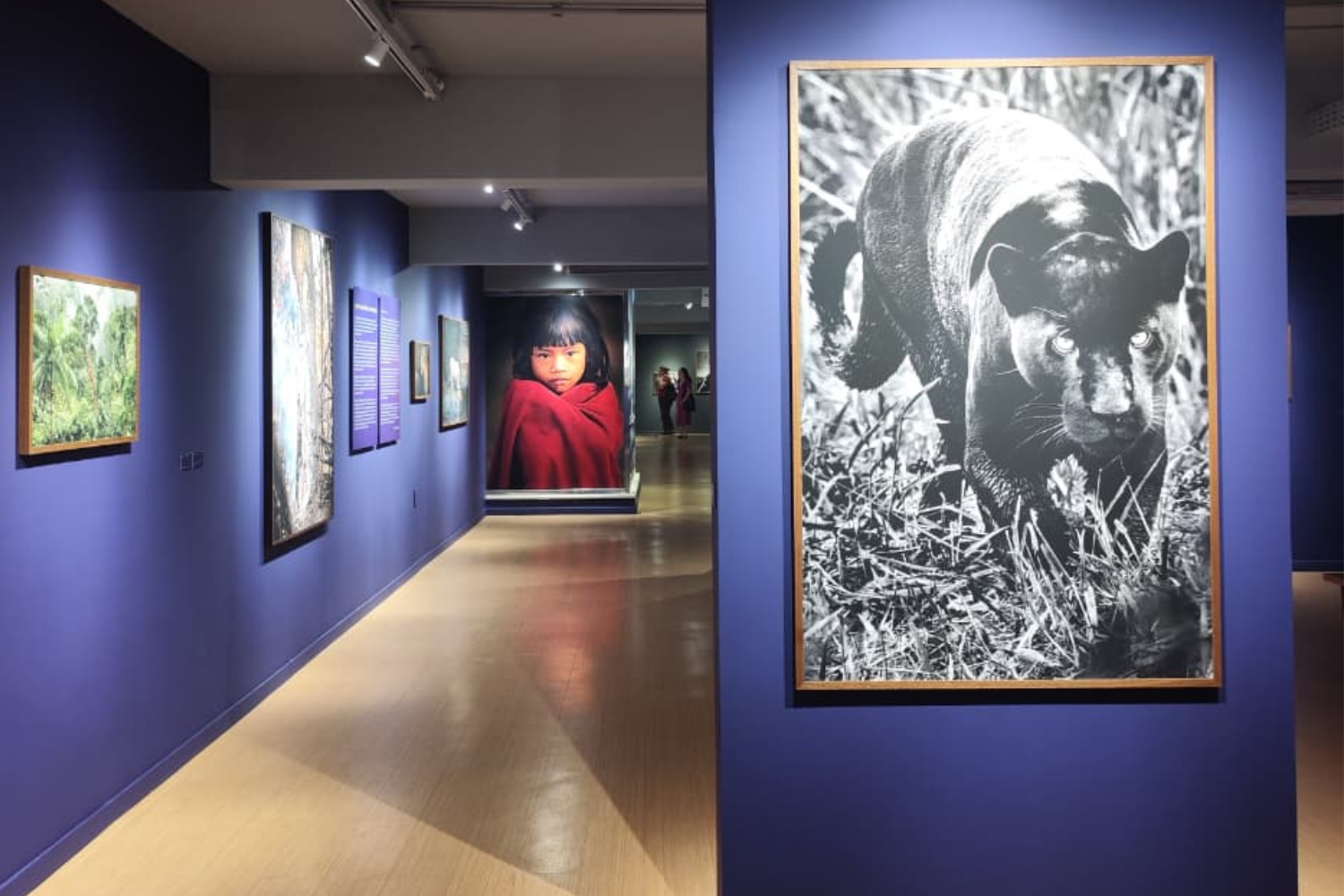
Among the current exhibitions, the Museum presents the long-term exhibition “A Máquina do Tempo”, curated by Denise Mattar, which presents a panorama of the history of photography through around 300 works, including iconic images such as Steve McCurry’s “Afghan Girl”, photographs by Robert Capa, Chico Albuquerque, Mauricio Ianê, Rosangela Rennó, amongst others. Alongside this, the museum presents a temporary exhibition by Araquém Alcântara (until March 2026), known for his landscapes and documentation of Brazilian nature, with a sensitive and critical eye towards environmental and territorial issues.
Zé Tarcísio: A Recent Loss for Ceará’s Arts
On 9 January 2026, the Ceará artistic scene lost one of its most important references: Zé Tarcísio (José Tarcísio Ramos), who passed away at 84. Born in Fortaleza in 1941, the artist was celebrating 65 years of his visual arts career in 2025.
A multi-artist par excellence, Zé Tarcísio moved between painting, sculpture, objects, and installations, building a body of work marked by experimentation and constant dialogue with themes such as memory, identity, culture, and nature. In the 1970s, after studying in Rio de Janeiro, he gained national recognition by participating in the Paris Biennale (1971) and the National Salon of Modern Art. His work circulated through São Paulo, where he participated in the 9th Biennale in 1967, and through various other national and international spaces.
His works are part of the collections of important institutions such as the National Museum of Fine Arts, the Museum of Contemporary Art of Ceará (MAC), where 52 works comprise the permanent collection, and the Pinacoteca do Ceará. At the Pinacoteca, Zé Tarcísio’s works are present in the exhibition “Existências paralelas – acervo em (des)construção”. At the MAC do Dragão do Mar, his works, as previously mentioned, can be seen in the “Bloco do Prazer” exhibition.
In 2025, a retrospective exhibition at Caixa Cultural Fortaleza, titled “Zé Tarcísio – 6585”, brought together 65 works celebrating his 65-year career and the 85 years of life he would have completed on 8 February 2026.
Visiting these institutions is essential to understanding the richness and diversity of Ceará’s artistic production, as well as the struggle for the existence of these cultural facilities and the dialogue between their collections and national and international movements. It’s worth noting that Fortaleza also houses various other relevant cultural institutions, such as the Museu do Ceará, Caixa Cultural, the Theatro José de Alencar, Cave Galeria, amongst many others. Each of these spaces contributes to making Fortaleza a necessary cultural destination.
Marília Lopes for London Art Walk
January 2026