
Minor Keys, Loud Disruptions: The Venice Biennale 2026 in focus
The 61st Venice Biennale, titled In Minor Keys, officially opened to the public on May 9 2026. The Venice Biennale is the most defining event in the art world calendar, bringing together the world’s most influential artists and curators to create a sprawling exhibition that in scale and ambition is hard to match. Alongside the trend-setting art, there is also what circulates it: namely, the lavish parties and the exclusive, VIP events. The Biennale is a spectacle, a place to experience art but also observe how the dynamics of cultural soft power and wealth shape the art world.
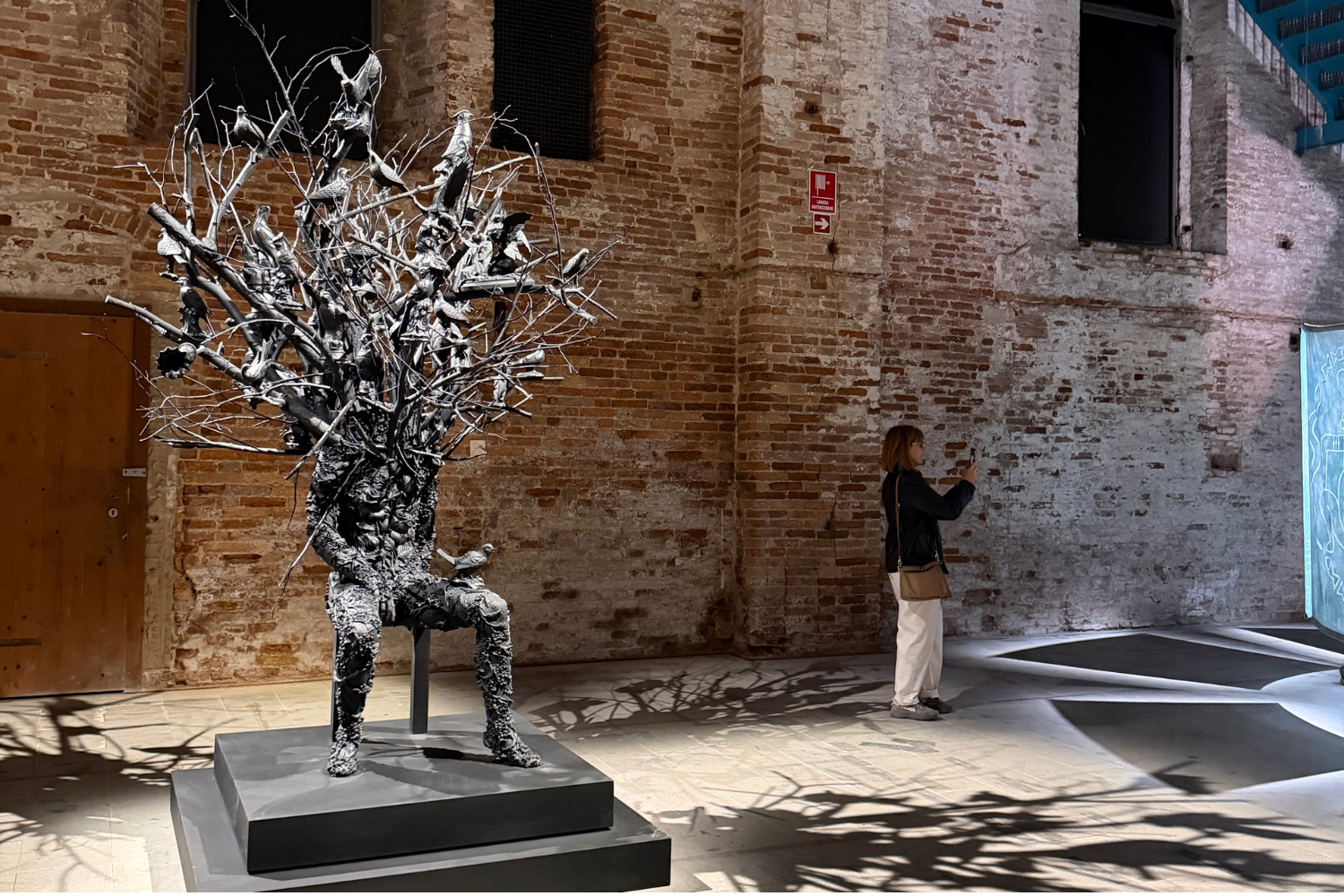
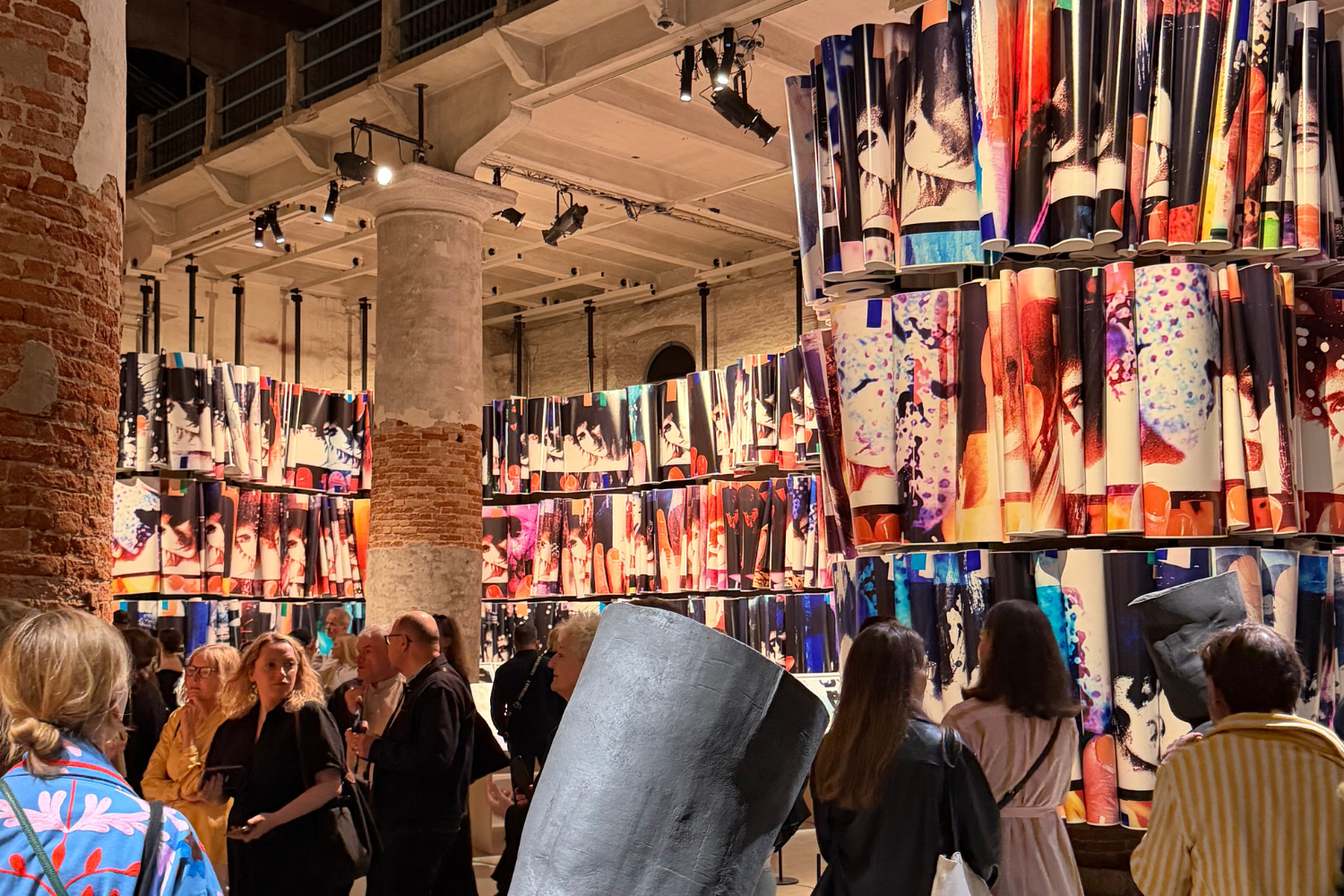
The exhibition is curated by Koyo Kouoh, who passed away in May 2025 at the age of 57, mere months after her appointment as the curator of the 2026 Venice Biennale. Koyo Kouoh was the first African woman to curate the prestigious event and was a leading figure in the contemporary art field. She was known for her work as the founding director of the now-closed art centre , RAW Material Company in Dakar, and as Chief Curator of the Zeitz Museum of Contemporary Art Africa. While she was unable to see her vision for the Venice Biennale come to fruition due to her untimely passing, her dedicated curatorial team worked diligently to ensure her legacy and thinking was preserved in the final exhibition.
In Minor Keys resists the spectacle often associated with the Biennale. Instead of loud statements, In Minor Keys elicits quiet reflection and sustained attention, inviting viewers to become attuned to what is often lost or overlooked in the breathless pace of modern life. The exhibition asks us to listen to the voices of those who have been marginalised or drowned out by systems of power.
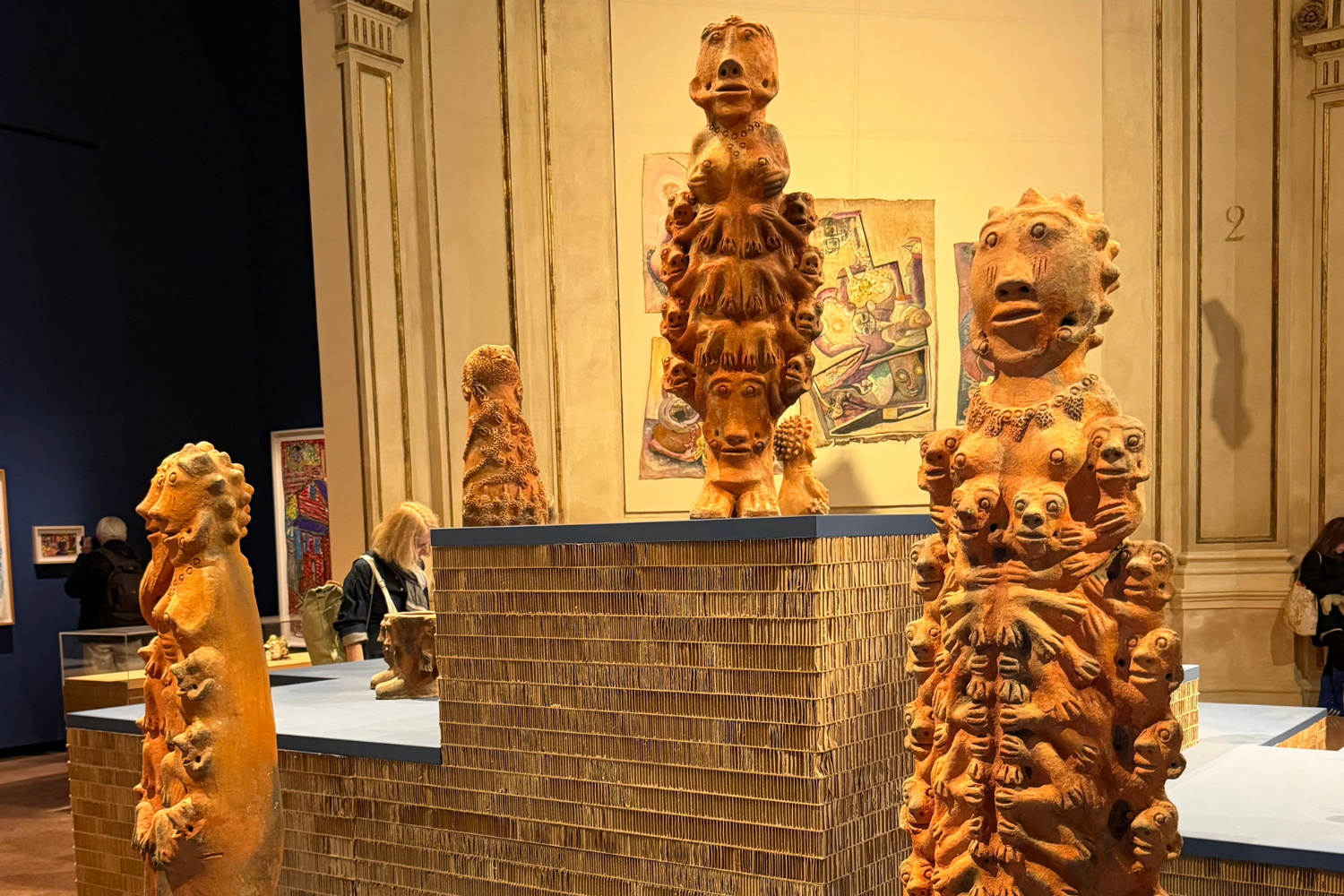
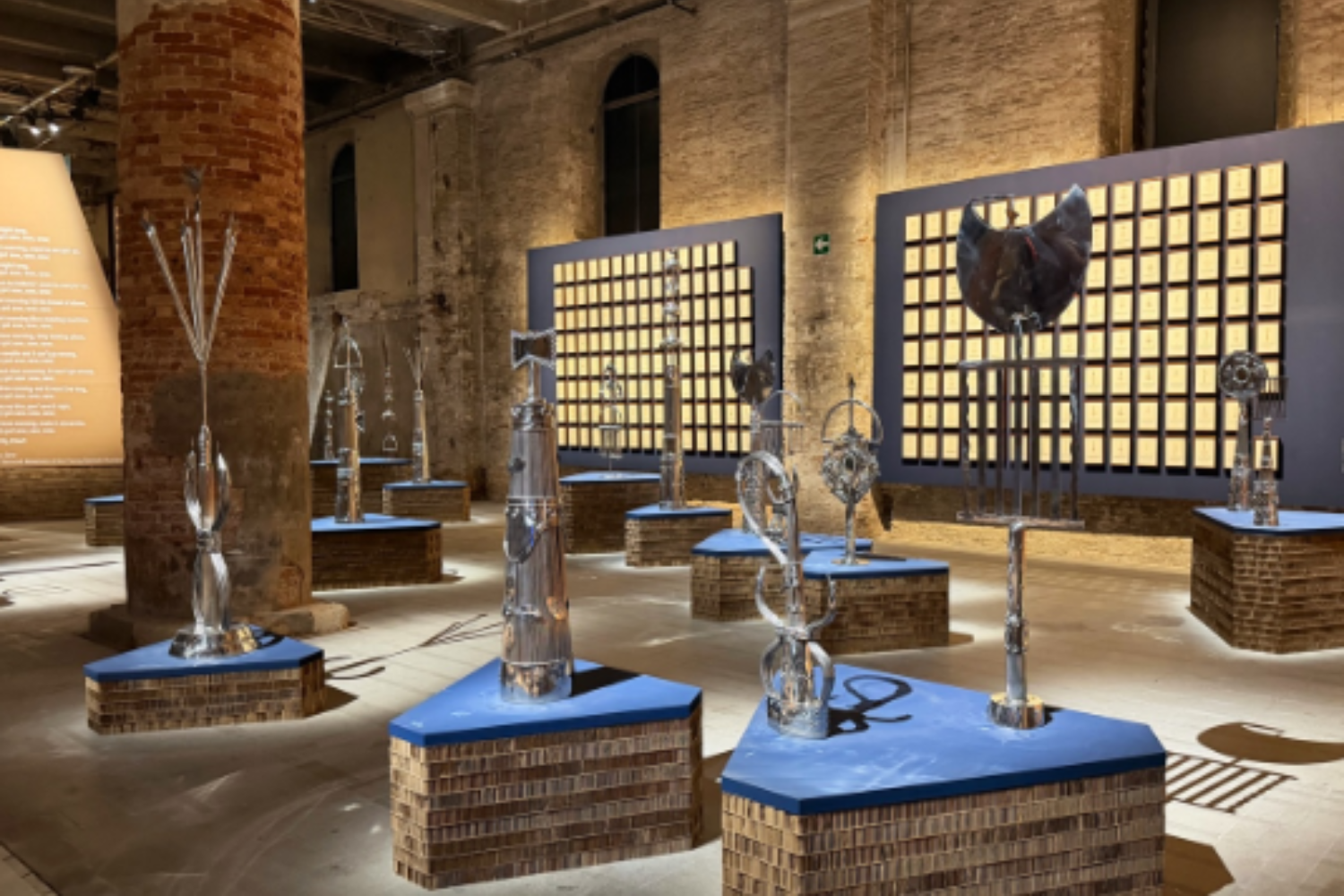
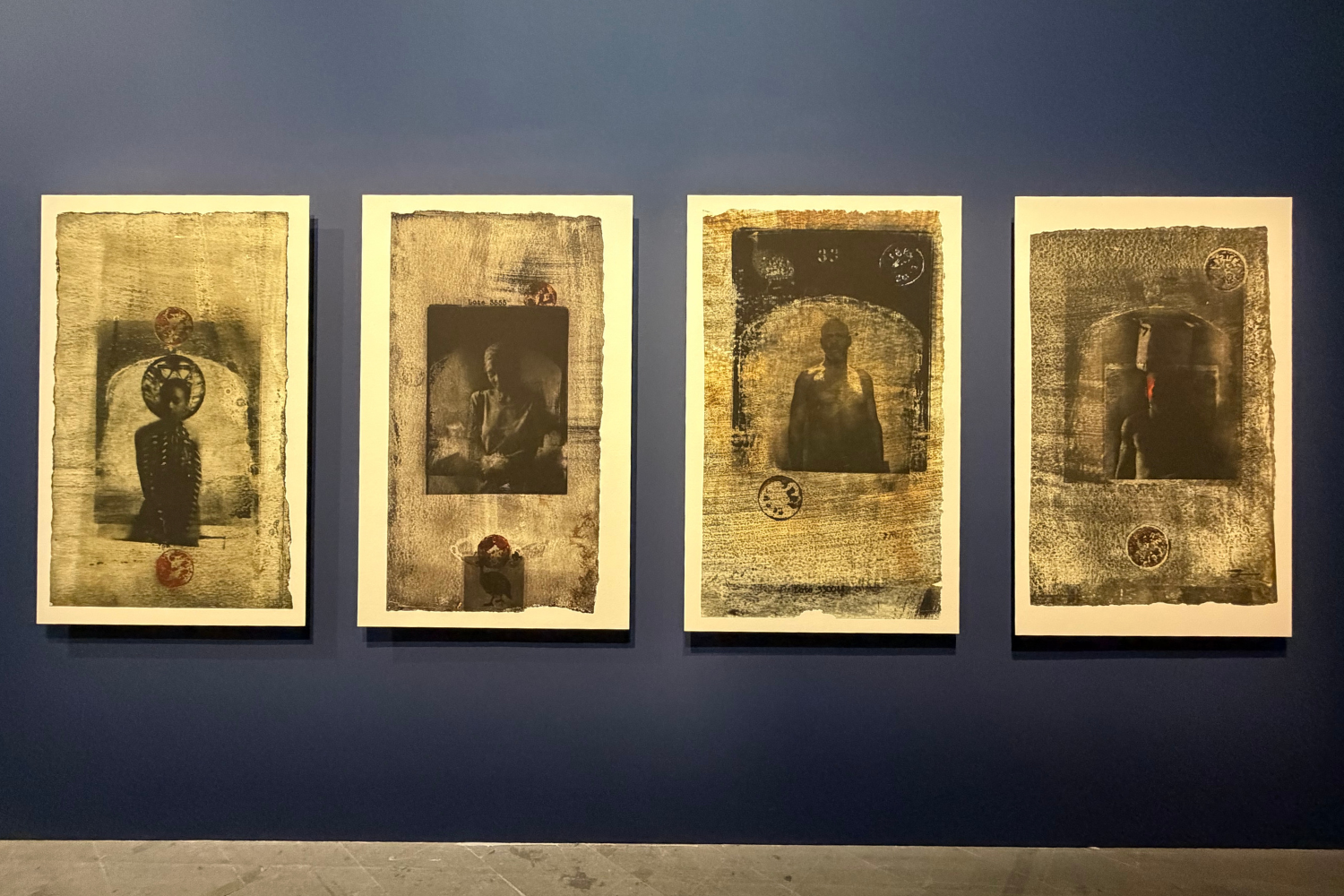
Across the Giardini, the Arsenale and several locations throughout Venice, In Minor Keys unfolds through quiet gestures and multi-sensory journeys. The main international exhibition features 110 invited participants and bridges practices across diverse geographies and disciplines. Many of the artworks on display invoke the spiritual realm, including Ayrson Héraclito’s series Juntó, comprising steel sculptures and drawings in ink and watercolour. The series engages with tools and symbols connected with the Afro-Brazilian religion Candomblé, merging aesthetic creation with spirituality. The exhibition also features complex installations that demand slow looking. One such example is Mohammed Z. Rahman’s Rolling Heart, an open framed display structure showcasing paintings and sculptures that explore grief and memory across private and public realms.
Despite the curators’ intentions for a more subdued and contemplative Biennale, the event has been engulfed in the noise surrounding the controversial inclusion of the Israeli and Russian Pavilions. Critics say the inclusion of these pavilions allows Russia and Israel to whitewash their image following the wars in Gaza and Ukraine.
Just days before the Biennale’s opening, the entire international prize jury stepped down due to their refusal to consider countries “whose leaders are currently charged with crimes against humanity”, an implicit condemnation of Israeli Prime Minister Benjamin Netanyahu and Russian Prime Minister Vladimir Putin, who are facing charges of crimes of humanity and war crimes at the International Criminal Court (ICC).
Since the Biennale opened, multiple protests have been staged against the Russian and Israeli Pavilions. Despite attempts from the Biennale to ease tensions by advocating for artistic freedom and dialogue, these demonstrations show no sign of stopping.
This chaos indicates that the Venice Biennale is at a crossroads. While there are no easy fixes to the deep geo-political divides surrounding the event, one thing is clear: the Venice Biennale must find a way to cut through the noise and find stability in a turbulent political landscape.
Thomas Cury for London Art Walk
May 2026