
Light, Colour, Action: Julio Le Parc at Tate Modern
Julio Le Parc died in Paris on the 30th May 2026, aged 97, just days before the opening of this retrospective at Tate Modern, which he had been eagerly awaiting and had hoped to attend. That he did not live long enough to make it is a loss for the international art world.
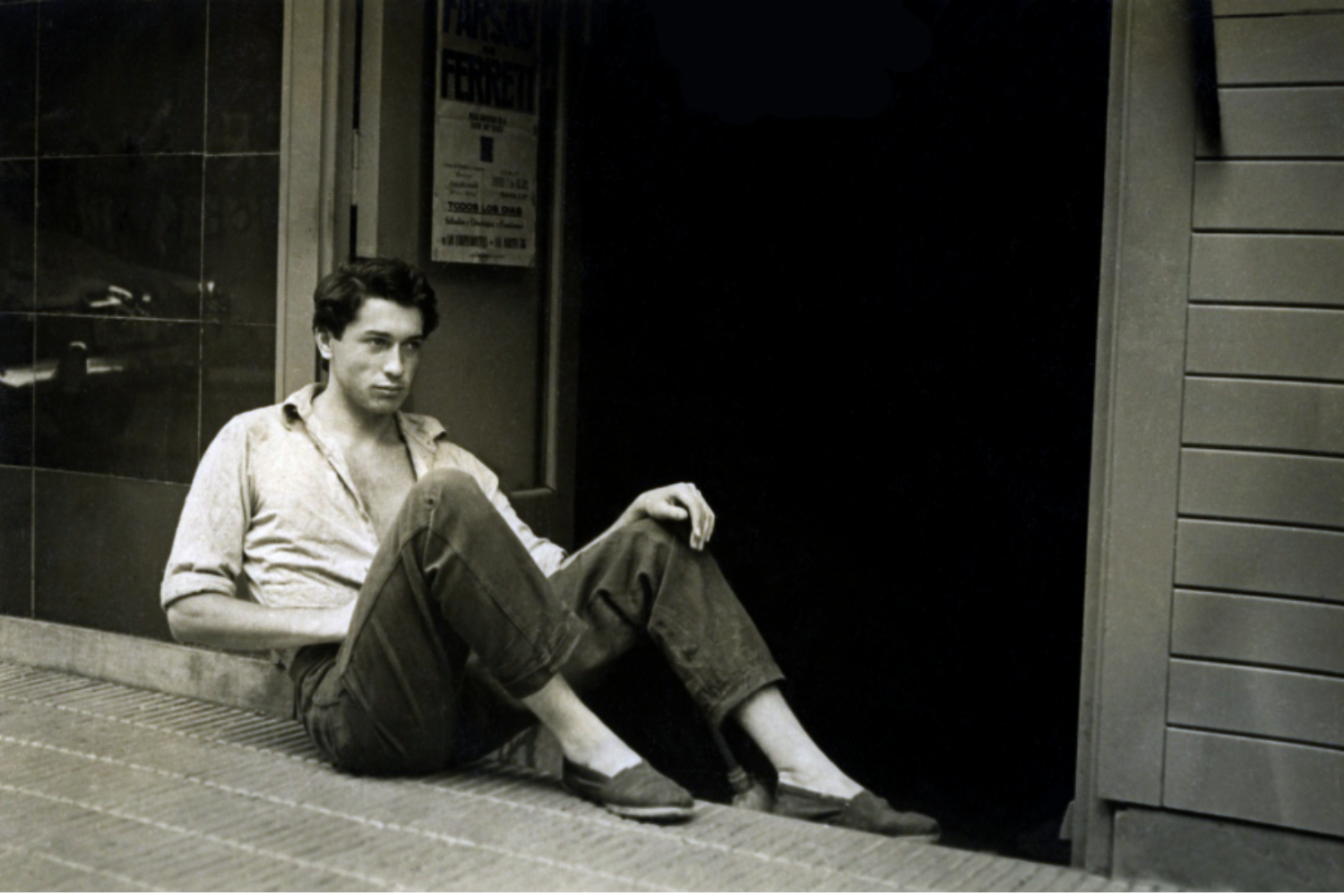
When Le Parc arrived in Paris in November 1958, on a French government scholarship, he found the museums too traditional and too distant from the public, elitist spaces that few people visited and in which fewer still felt welcomed. This attitude would shape everything he made over the next seven decades. In 1960, together with fellow artists, he co-founded the Groupe de Recherche d’Art Visuel (GRAV), a collective dedicated to a radical proposition: that art should not happen to viewers, but with them. Le Parc developed a practice built on the idea of playful and interactive works that engaged the public on a different level from anything found in traditional museums. He succeeded. His exhibitions are always colourful, dynamic, and full of people who forgot, at least briefly, that they are supposed to be looking at ‘art’.
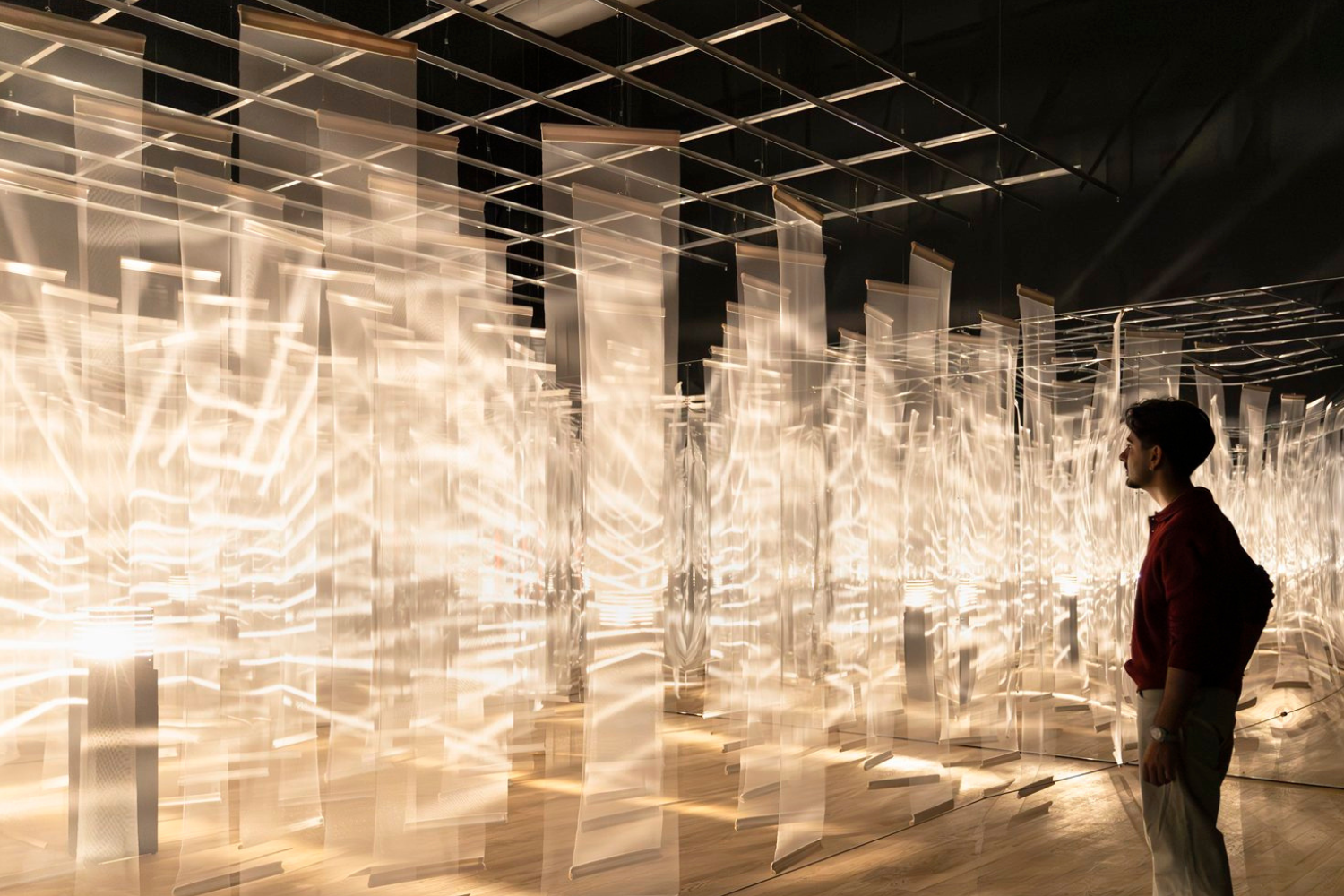
This summer, Tate Modern invites visitors to experience his work from its earliest experiments to his most recent achievements. The first room is a prelude to what is about to come. Small drawings, studies, and black-and-white gouache paintings from Le Parc’s early Paris years reveal a mind absorbed by pattern and mathematical ratios, and the repetitions and variations that produce optical movement, in which he begins to problematise the relationship between the viewer and the work. The eye, following the shifting forms, becomes an unwitting accomplice to the paintings, seduced by a destabilising optical movement that leaves the viewer complicit in the meaning of the work.
As you move deeper into the exhibition, the early investigations give way to something even more immersive. Mirrors and reflective surfaces catch and scatter projected light in arrangements of varying scale and direction. The effect is closer to submersion than observation, as if you are standing not in front of the work so much as inside it, transported, almost hypnotised.
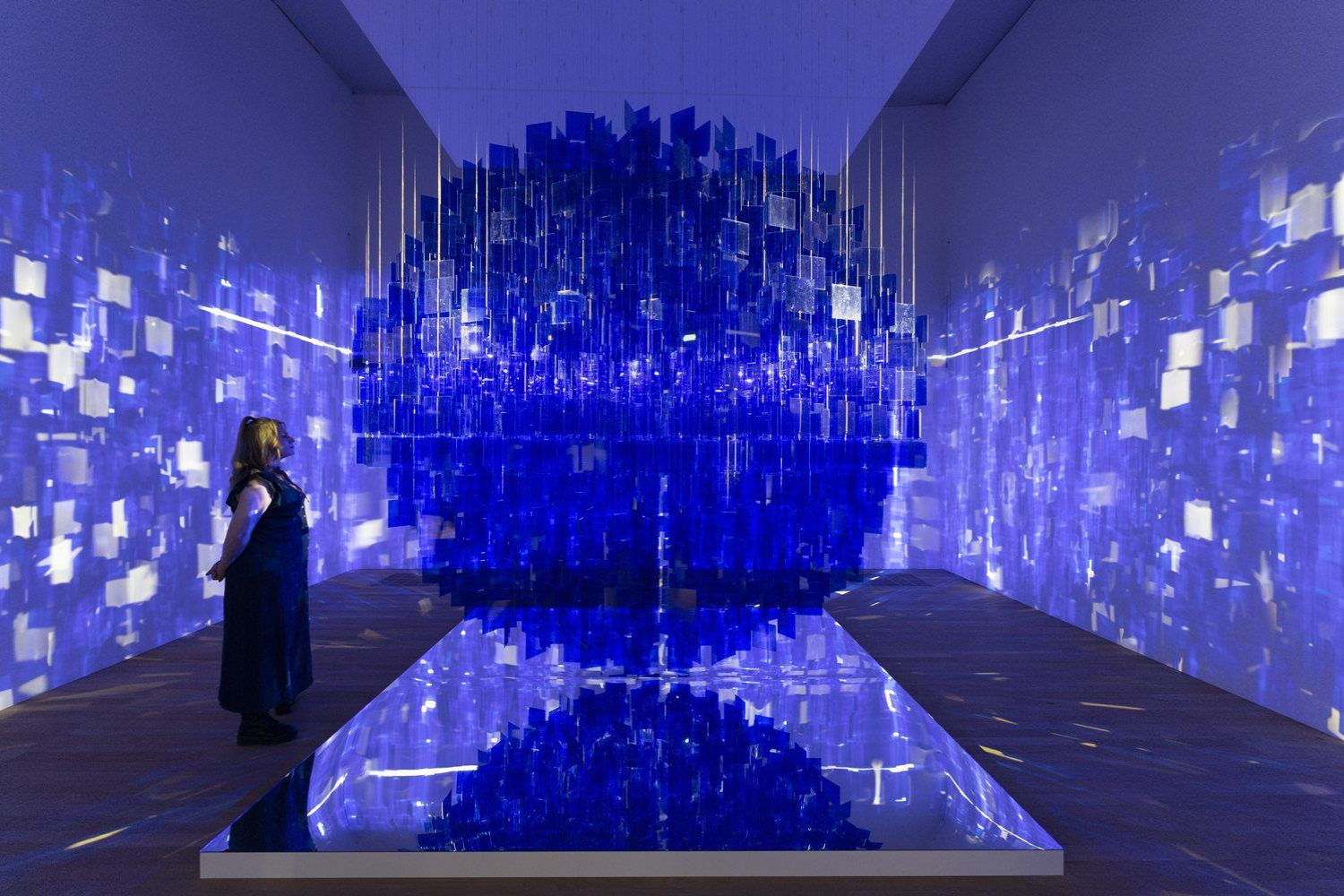
The Games Room delivers the fullest expression of Le Parc’s democratic aspirations. Here, visitors press buttons, spin wheels, and walk through curtains of mirrors, triggering movement, sound, and cascades of kinaesthetic sensation. Later rooms sustain that sense of wonder through light and colour, culminating in Blue Sphere (2013), a luminous orb that seems to hover in the space around it. The final room is a return to more painterly work, in the same manner as the’ opening’ room, but now in full colour and with everything experienced in between. Rainbows, stripes, patterns, and spheres of colours dominate the space producing movement through the optical illusions of repetition, patterns, and colour contrasts and harmonies.
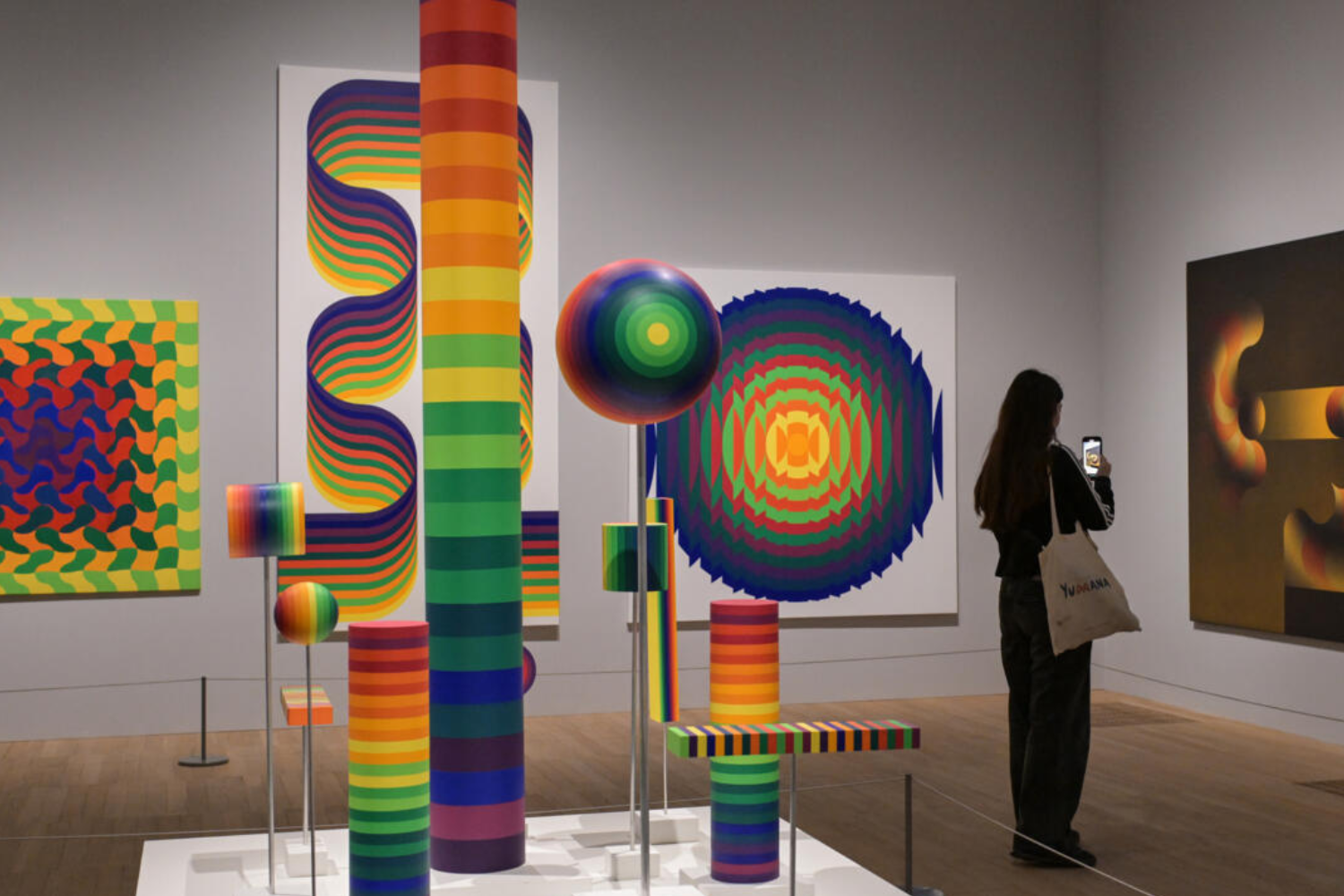
Participation is key to the work. Long before immersive exhibitions became a cultural phenomenon, Le Parc was building installations that refused the passivity of the traditional gallery visit and instead insisted on creating something alive and active. The countless exhibitions today that invite viewers into kinetic and sensory experiences have their conceptual roots in his work from the early 1960s. But this work was never a superficial aesthetic choice, it was, above all, a political position. Le Parc was deeply involved in the political life of France and Argentina, participating in the student activism of Buenos Aires in the 1950s and in the May 1968 uprising in Paris, for which he was briefly expelled from France. He saw the passive spectator in the gallery as a mirror of the passive citizen in society: breaking that passivity was his objective. The playfulness was never frivolous, it was always a form of liberation.
Ana Teles for London Art Walk
June 2026