
Spoilt for Choice: São Paulo’s Art Scene This September
This year, São Paulo has been offering a rich programme of art exhibitions across major institutions and galleries, with September proving particularly generous. The moment coincides with a busy period in the Brazilian art calendar, particularly for the art market, following SP-Arte Rotas and with ArtRio bringing together galleries, artists, collectors and art professionals in Rio de Janeiro until 20 September.
In São Paulo, the reopening of MAM in Ibirapuera Park and the launch of the 39th Panorama of Brazilian Art add to this particularly vibrant moment in the city’s art scene. It is with the Panorama that we begin our selection below, bringing together some of the exhibitions we have visited recently and believe are well worth a visit.
39º Panorama da Arte Brasileira: Depois que Tudo Foi Dito
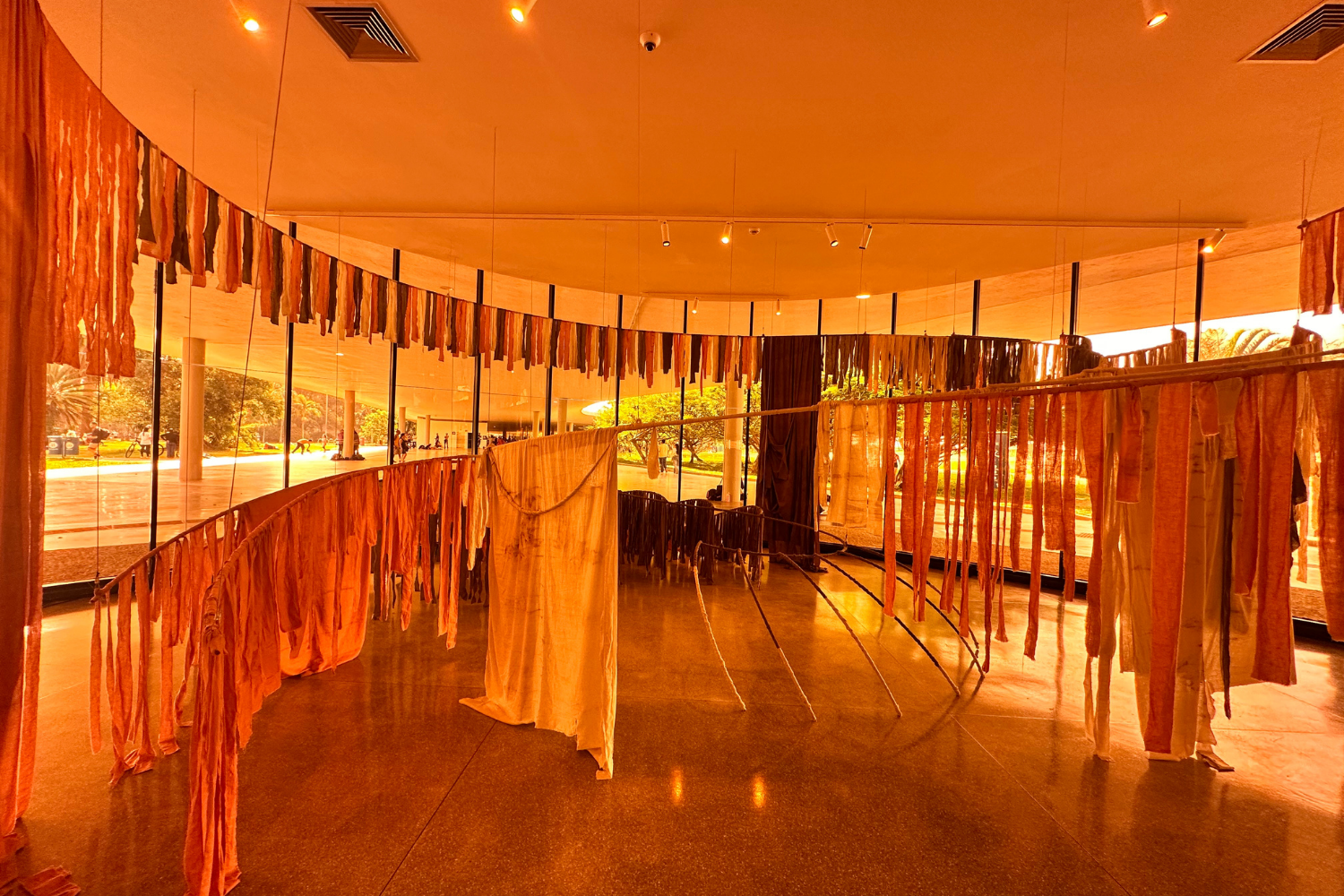
The 39th Panorama of Brazilian Art marks the long-awaited reopening of the Museu de Arte Moderna de São Paulo, after almost two years closed for renovation. Curated by Diane Lima and titled Depois que Tudo Foi Dito , the exhibition asks a simple but challenging question: once so much has already been said, debated and confronted about Brazil’s colonial and racial history, what do we do next?
Over the past decades, questions around race, gender and reparation have not only changed who occupies the spaces of Brazilian art, but also which histories are told and what art itself can look like. Moving beyond the RJ -SP axis, Lima gathers 33 artists from 13 Brazilian states whose practices experiment with other ways of making, thinking and imagining — exploring what can happen when familiar ways of representing Brazilian art are reconsidered, particularly in works where living materials, organic forms, sculptures and installations challenge the idea of matter as simply a support for art.
The question at the heart of the exhibition is not about leaving histories behind, but about what comes after them. Ygor Landarin’s Pedra pai (2026) evokes archaeological traces and ideas of time and transformation through a combination of natural and mineral materials. Jota Mombaça’s Um dia vou voltar (2026) introduces a different sense of time, looking towards a return that has not yet happened. Together, the works invite us to think about what might be built, questioned and imagined next.
39th Panorama of Brazilian Art: Depois que Tudo Foi Dito
Museu de Arte Moderna de São Paulo, Parque Ibirapuera
12 September 2026 – 24 January 2027
Ismael Nery: armadilha moderna
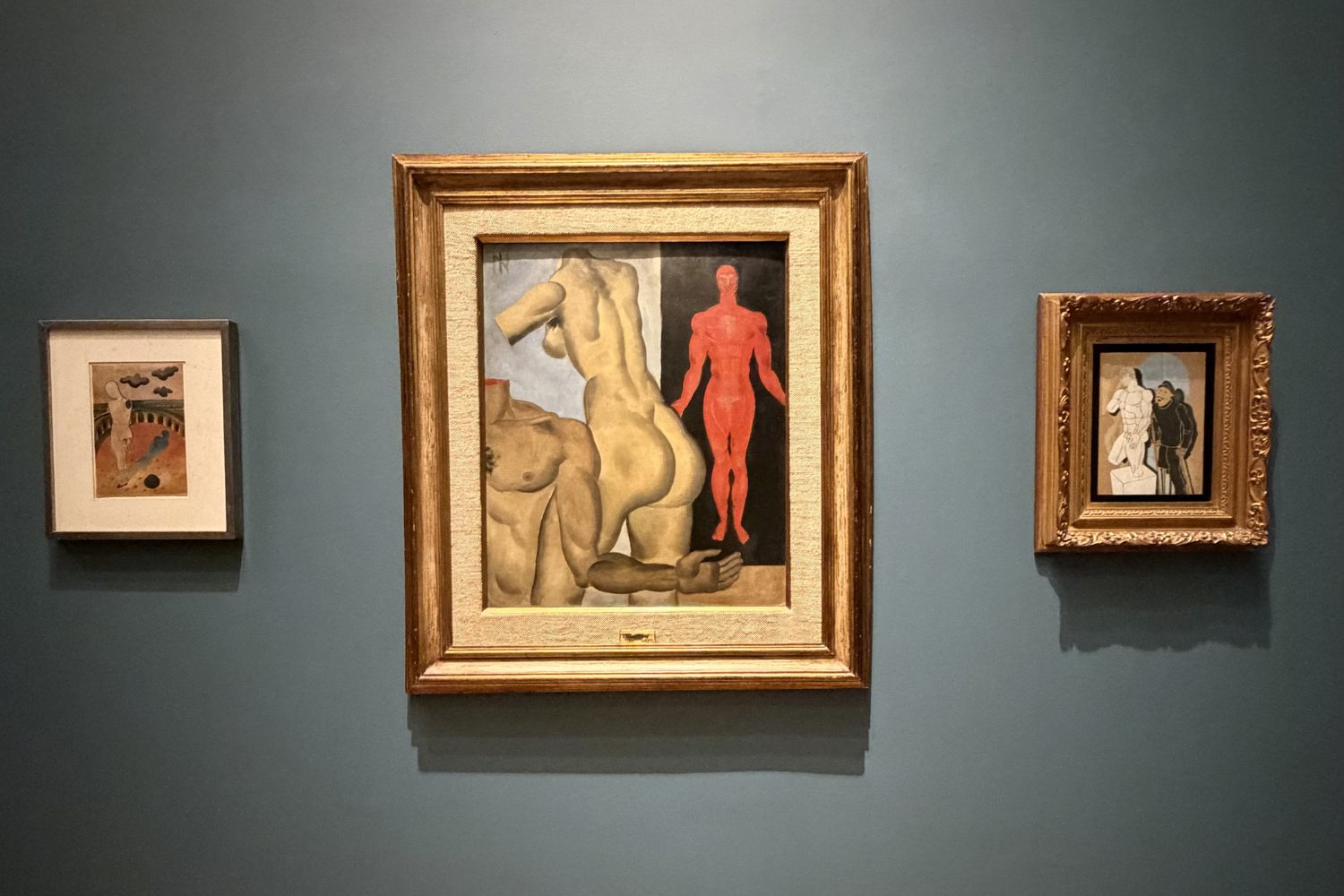
At Pina Luz, Ismael Nery: armadilha moderna, curated by Yuri Quevedo, offers an opportunity to look again at an artist who never fitted comfortably into the story of Brazilian modernism. His paintings, drawings and poems move between the body and the spiritual, the masculine and feminine, the individual and the other. Rather than presenting identity as something fixed, Nery repeatedly transforms and fragments the human figure.
His story is as striking as his work. Before his death from tuberculosis in 1934, at just 33, Nery asked Murilo Mendes, the Brazilian modernist poet and one of his closest friends, to destroy his works. Mendes chose not to do so, helping to preserve a body of work that might otherwise have disappeared. The exhibition brings together around 230 works from public and private collections, offering a rare opportunity to see the breadth of Nery’s short career.
For curator Yuri Quevedo, looking at Nery today also opens up questions around identity and the body that were not necessarily framed in the same terms during his lifetime. This does not mean turning Nery into a contemporary artist, but rather allowing his work to raise new questions from the perspective of the present. What makes the exhibition compelling is precisely how difficult Nery remains to define. His work keeps moving between different identities, artistic languages and ideas, leaving us with more questions than clear answers.
And if you are already at Pina Luz, do not miss the Octógono, where Luana Vitra presents Bandeira Branca, a monumental installation centred on materials and histories connected to mining and extraction in Minas Gerais.
Ismael Nery: armadilha moderna
Pinacoteca de São Paulo (Pina Luz)
5 September 2026 – 31 January 2027
Histórias Latino-Americanas
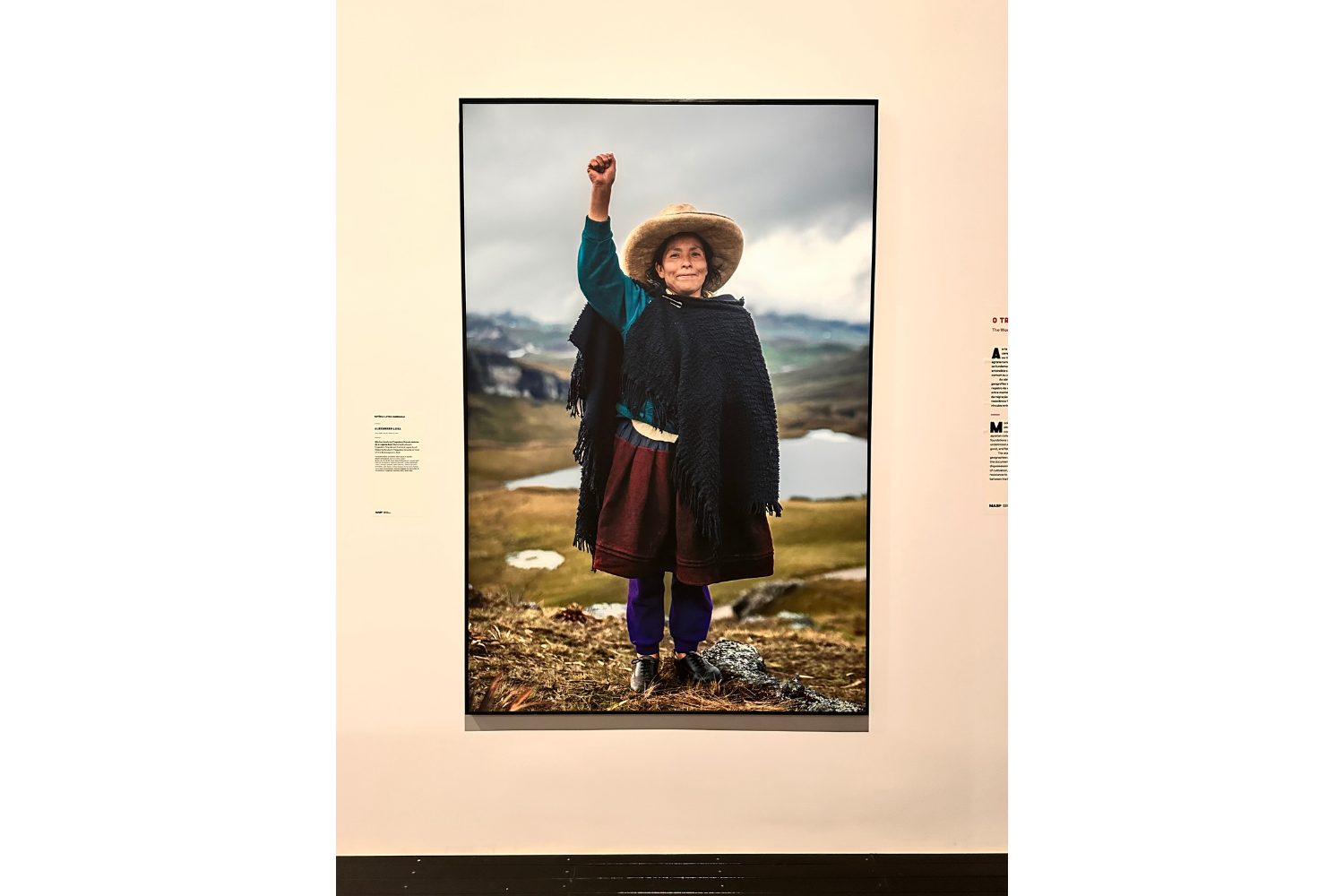
Colonisation, migration, resistance, modernisation and the idea of progress are some of the threads running through Histórias Latino-Americanas, now on view at MASP. Curated by Amanda Carneiro and Julieta González, the exhibition brings together 187 works by 148 artists from 20 countries, occupying five floors of the Pietro Maria Bardi Building. Rather than trying to define Latin America through a single history or identity, the exhibition brings together different experiences, perspectives and forms of resistance across the region.
The five sections explore themes ranging from colonial histories and the rhetoric of development to Indigenous and Afro-descendant communities, migration and ideas of destruction and renewal. The exhibition brings together different generations of artists, from figures like Regina Silveira and Adriana Varejão to more recent voices such as Denilson Baniwa and Aline Motta, for example, to name only the Brazilian artists.
The selection also moves away from a strictly chronological or canonical reading of Latin American art, bringing works into dialogue across different periods and contexts. This makes the exhibition less about defining what Latin American art is and more about looking at the different histories and perspectives that have shaped it.
Histórias latino-americanas
MASP (Edifício Pietro Maria Bardi)
4 September 2026 – 31 January 2027
Tatiana Blass: Contrarregra
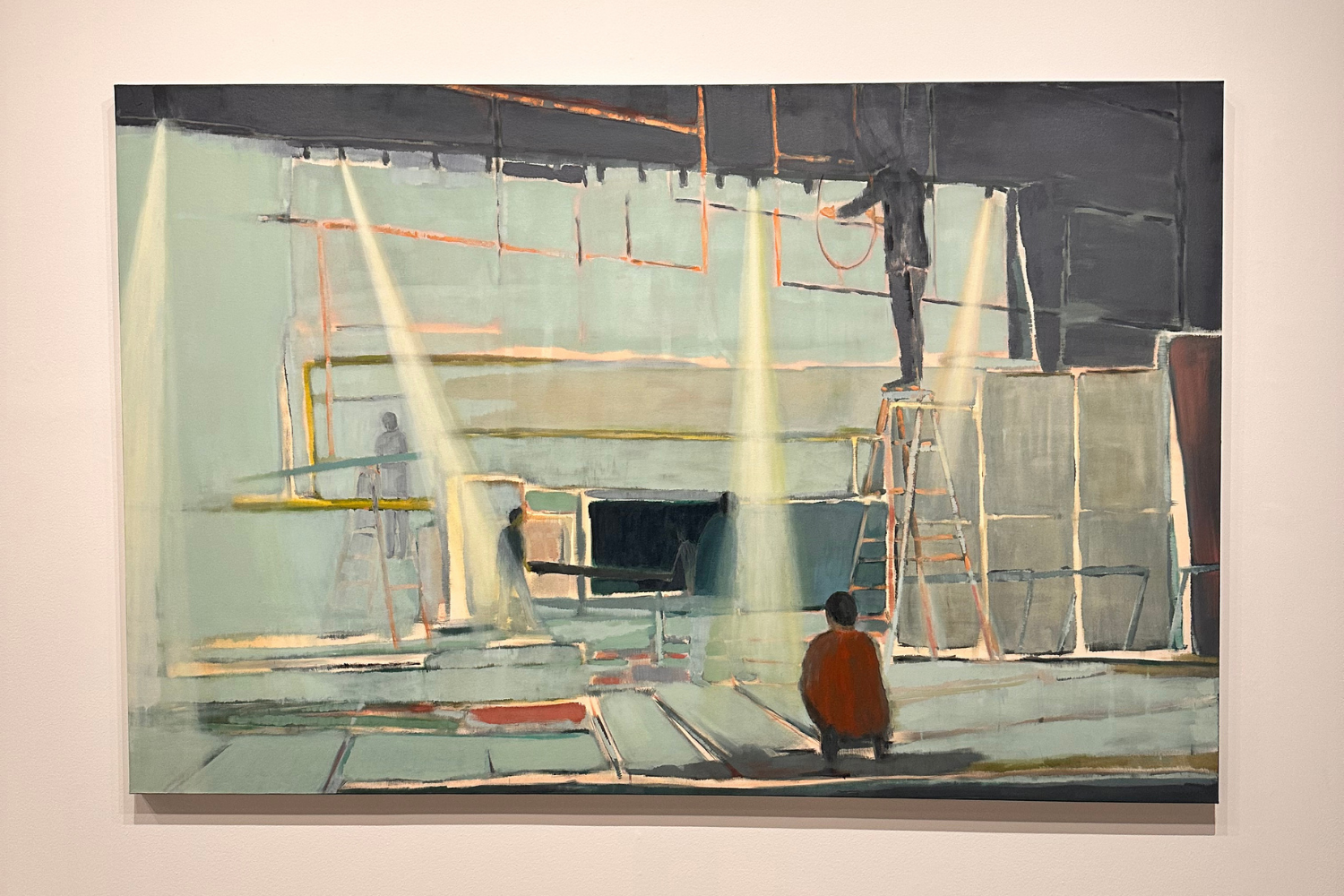
At the Instituto Tomie Ohtake, Tatiana Blass: Contrarregra brings together around 50 works made between 2008 and 2026, including paintings, sculptures, installations, videos and new works. Curated by Ana Roman and Lahayda Mamani Poma, the exhibition looks at the artist’s longstanding interest in matter, transformation and the processes that take place behind the finished work.
The title refers to the contrarregra, the person working behind the scenes to make a theatrical performance possible. This idea runs through the exhibition, where painting expands into other forms and materials, including wax, glass, bronze and ceramics. Some works are not fixed: wax responds to heat, glass paintings shift with the light and the visitor’s movements, while broken ceramics are reconstructed rather than restored to their original state.
There is something particularly interesting in seeing these works together: rather than treating the artwork as a fixed object, Blass draws attention to what happens as it is made, altered or even undone.
Tatiana Blass: Contrarregra
Instituto Tomie Ohtake
28 August – 25 October 2026
Tecituras
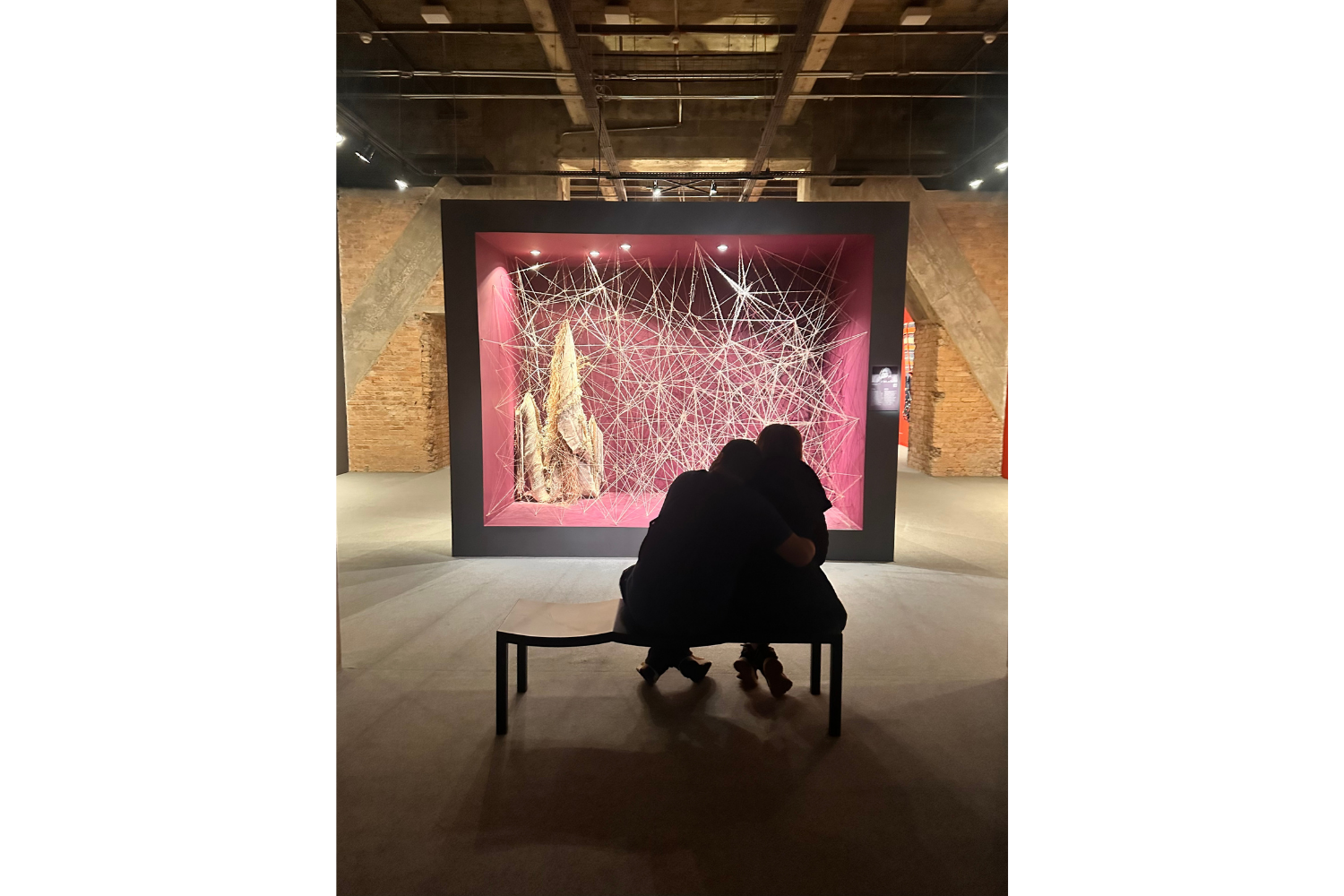
This exhibition offers a broad panorama of Brazilian artists who have worked with textiles across different generations, opening with Genaro de Carvalho, whose work is one of the first pieces visitors encounter in the exhibition, alongside Madeleine Colaço. Curated by Denise Mattar, with artistic consultancy by Eva Soban, the exhibition brings together around 30 artists and is divided into three strands: embroidered tapestry, woven tapestry and experiments.
Walking through the exhibition feels a little like a lesson in how textile art has changed over the decades: what began with the affirmation of tapestry as an artistic language gradually opened up to new materials, techniques and forms. The history is also expanded through the documentary Hélio Oiticica, which brings artists such as Oiticica and Lygia Clark into the conversation, connecting textile practices to broader developments in Brazilian contemporary art. Rather than following a strict chronology, Tecituras brings different generations into dialogue through affinities in language, materials and processes.
The result is a show that goes beyond traditional tapestry, revealing how weaving, embroidery and other textile practices have become spaces for experimentation in contemporary art.
Tecituras
Farol Santander
17 July – 18 October 2026
Sheila Hicks: Autobiografia de um fio and O que que é isso?
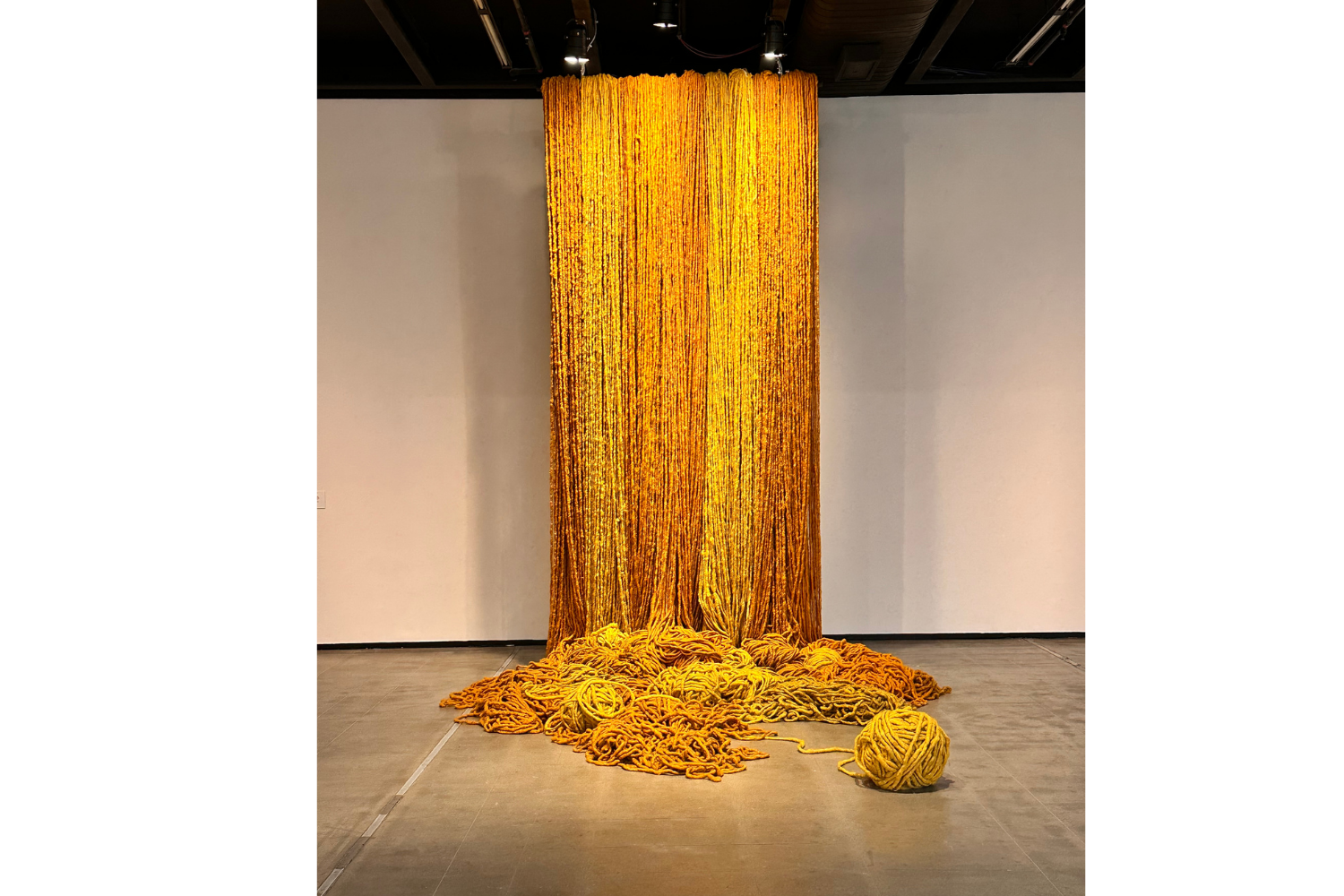
The Instituto Tomie Ohtake and Nara Roesler are currently showing the work of American artist Sheila Hicks, born in Nebraska in 1934 and based in Paris since the 1960s. One of the leading figures in textile art, Hicks has spent more than six decades exploring fibre, colour, scale and form, moving between intimate works and large-scale installations.
At Instituto Tomie Ohtake, O que que é isso? brings together works spanning six decades of her practice, curated by Ana Roman, Luis Pérez-Oramas and Paulo Miyada. At Nara Roesler, Autobiografia de um fio, curated by Luis Pérez-Oramas, presents recent and previously unseen works made since 2017, highlighting the different forms her practice has taken over the years. Seen together, the two exhibitions offer a chance to follow the evolution of Hicks’s work while seeing how consistently she has challenged the boundaries of textile art.
Autobiografia de um fio
Nara Roesler
29 August – 24 October 2026
O que que é isso?
Instituto Tomie Ohtake
28 August – 25 October 2026
Por Elas, Com Elas: do moderno ao contemporâneo
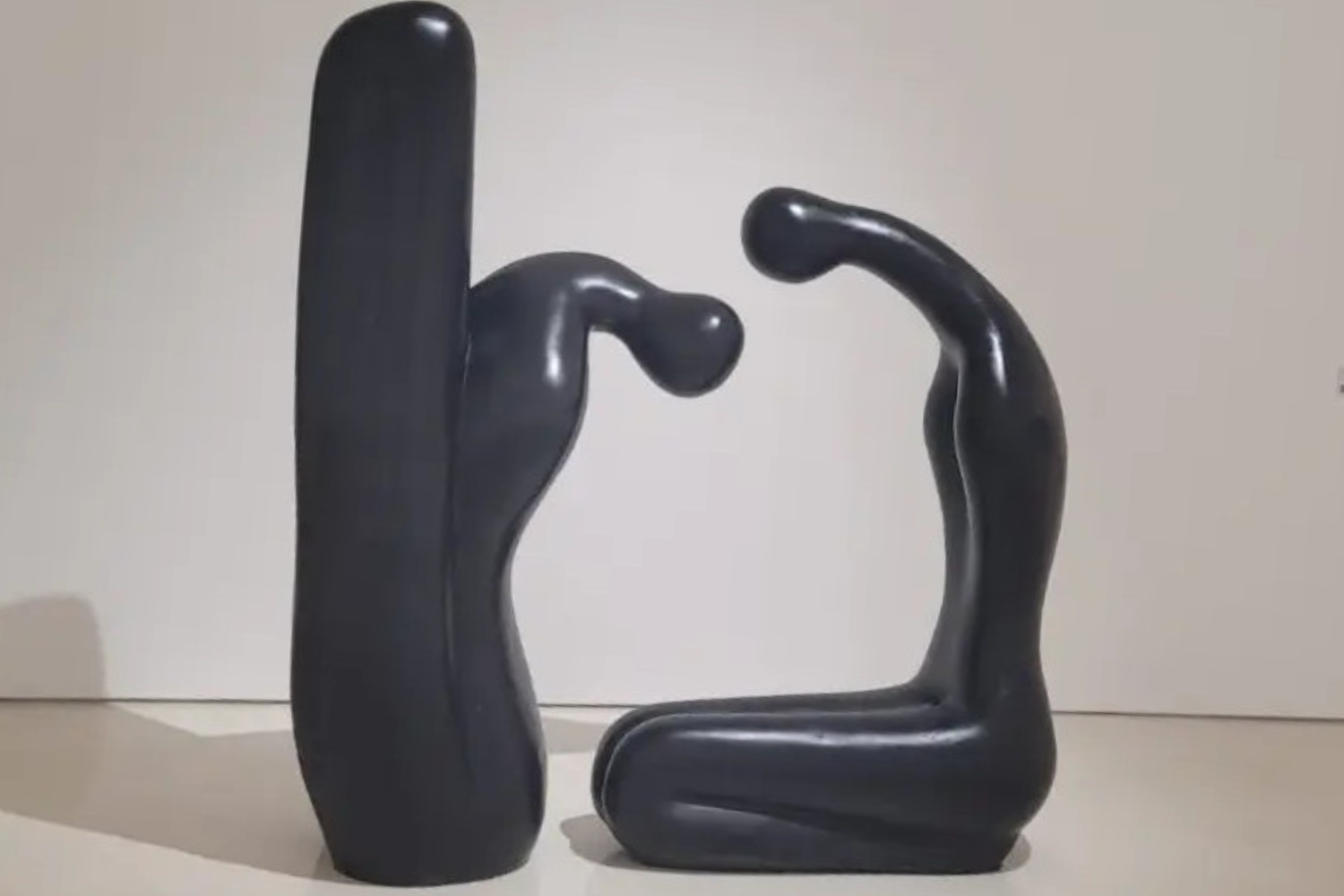
This exhibition is curated by Maria Alice Milliet and brings together more than seven decades of artistic production by women across the gallery’s two São Paulo spaces. The exhibition is divided into two sections: one focusing on historical works, including pieces by Lygia Clark, Mary Vieira, Amélia Toledo, Judith Lauand, Mira Schendel and Tomie Ohtake, and another devoted to contemporary artists.
One of the more interesting aspects of the exhibition is its focus on works that reveal artistic processes rather than simply finished results. The historical section brings together rare and lesser-seen pieces, including studies, drawings and small-scale experiments such as Lygia Clark’s architectural model made from matchboxes and Eleonore Koch’s study notebook. The selection also places these artists within the broader transformations of Brazilian art in the mid-20th century, including the development of concrete and abstract practices.
The contemporary section shifts towards questions of nature, intimacy and the social position of women, bringing together artists working across painting, photography, installation, video and other forms. Rather than presenting a straightforward progression from modern to contemporary art, the exhibition creates connections between different generations and shows how experimentation has taken different forms over time. Maria Martins, whose monumental surrealist sculpture is presented in the contemporary space, provides a particularly interesting link between the two sections.
Por Elas, Com Elas: do moderno ao contemporâneo
DAN Galeria and DAN Galeria Contemporânea
9 September – 7 November 2026
There is still plenty more to see beyond the exhibitions featured here. We have also visited, for example, Frederico Filippi’s Irracional at Marli Matsumoto, the artist’s first solo exhibition at the gallery, where chance, unpredictability and transformation run through works made with very different materials. Among them are ready-mades – fragments of tractors incinerated during operations against illegal mining, bringing questions of destruction and environmental impact into the exhibition in a particularly tangible way. You can follow more of our visits and discoveries on the London Art Walk Instagram, where we will continue sharing what we are seeing around the city.
And the programme is far from slowing down. Fernando Lemos’s “Quanto mais desejo, mais invento o que vejo” has just opened at IMS, bringing together different aspects of the Portuguese-Brazilian artist’s practice, from photography and drawing to writing and design, while the Pinacoteca is preparing to open “Via satélite: Nam June Paik em diálogo com Vivian Caccuri” in October. With so many exhibitions opening almost every week, keeping up with São Paulo’s art calendar is becoming something of a challenge. At this point, we may simply need a few more days in the week to see everything.
Marilia Lopes for London Art Walk
September 2026