
Brazilian Art at Frieze London and Frieze Masters 2026
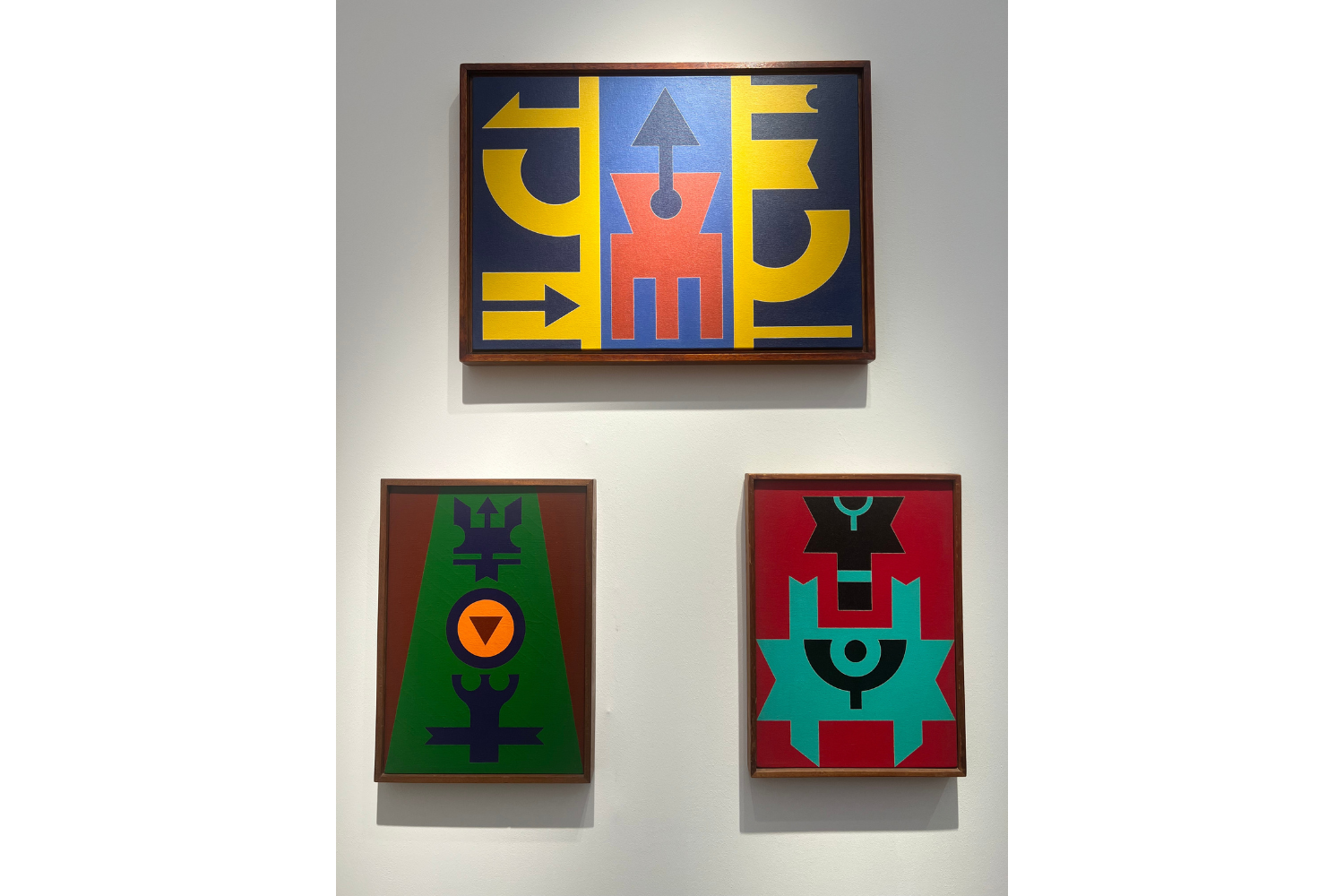
Brazilian art featured across both Frieze fairs in London, held from 14 to 18 October 2026. While Frieze London focused on contemporary art, Frieze Masters brought together works from different periods, creating dialogues between artists and historical contexts. Highlights included works by Rubem Valentim, presented by Tristan Hoare, and Mira Schendel, shown by Luxembourg + Co., both international galleries. Five Brazilian galleries participated in Frieze London, alongside Galeria Jaqueline Martins, which presented Jota Mombaça in the Artist-to-Artist section. At Frieze Masters, Danielian and Galeria MaPa represented Brazilian galleries, extending the country’s presence beyond the contemporary art circuit.
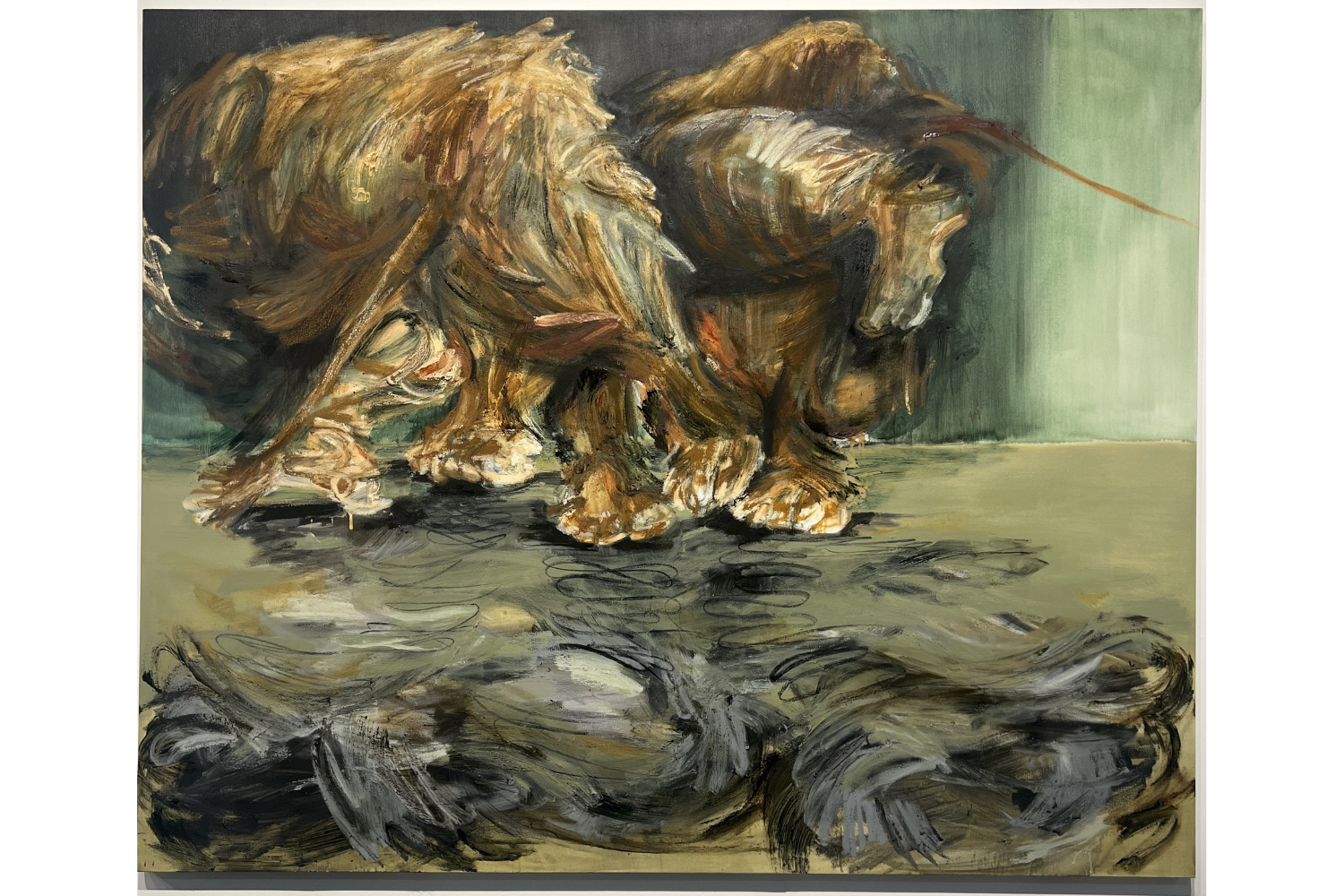
At Frieze London, Fortes d’Aloia & Gabriel presented new paintings by Márcia Falcão in a booth located at the entrance to the fair. All five paintings sold on the opening day: three for US$30,000 each and two for US$60,000 each. The series continues the artist’s exploration of the body and its representations, with female figures constructed through expressive, gestural brushwork. The sales indicate a strong commercial reception for the presentation, which was also highlighted by Frieze itself.
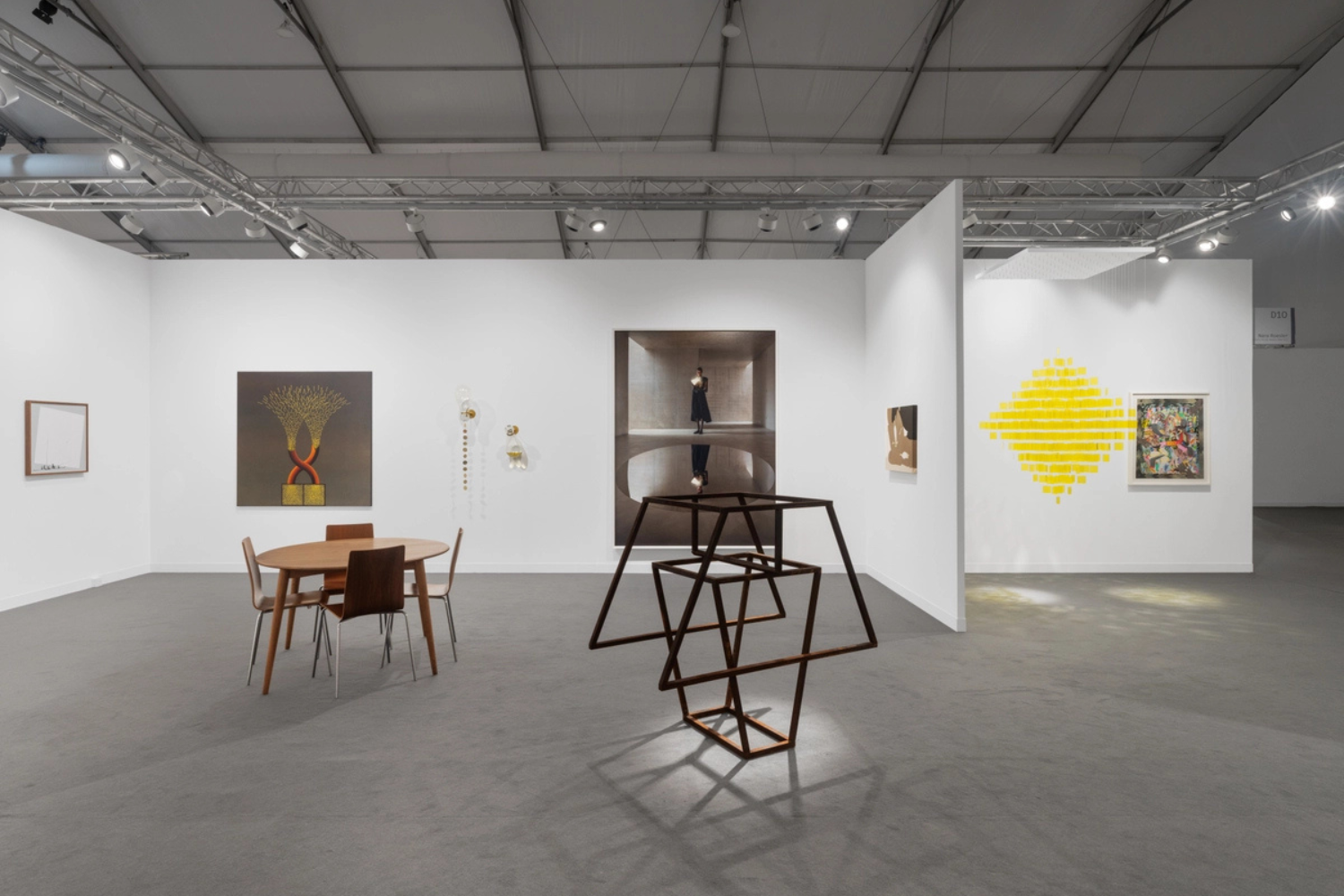
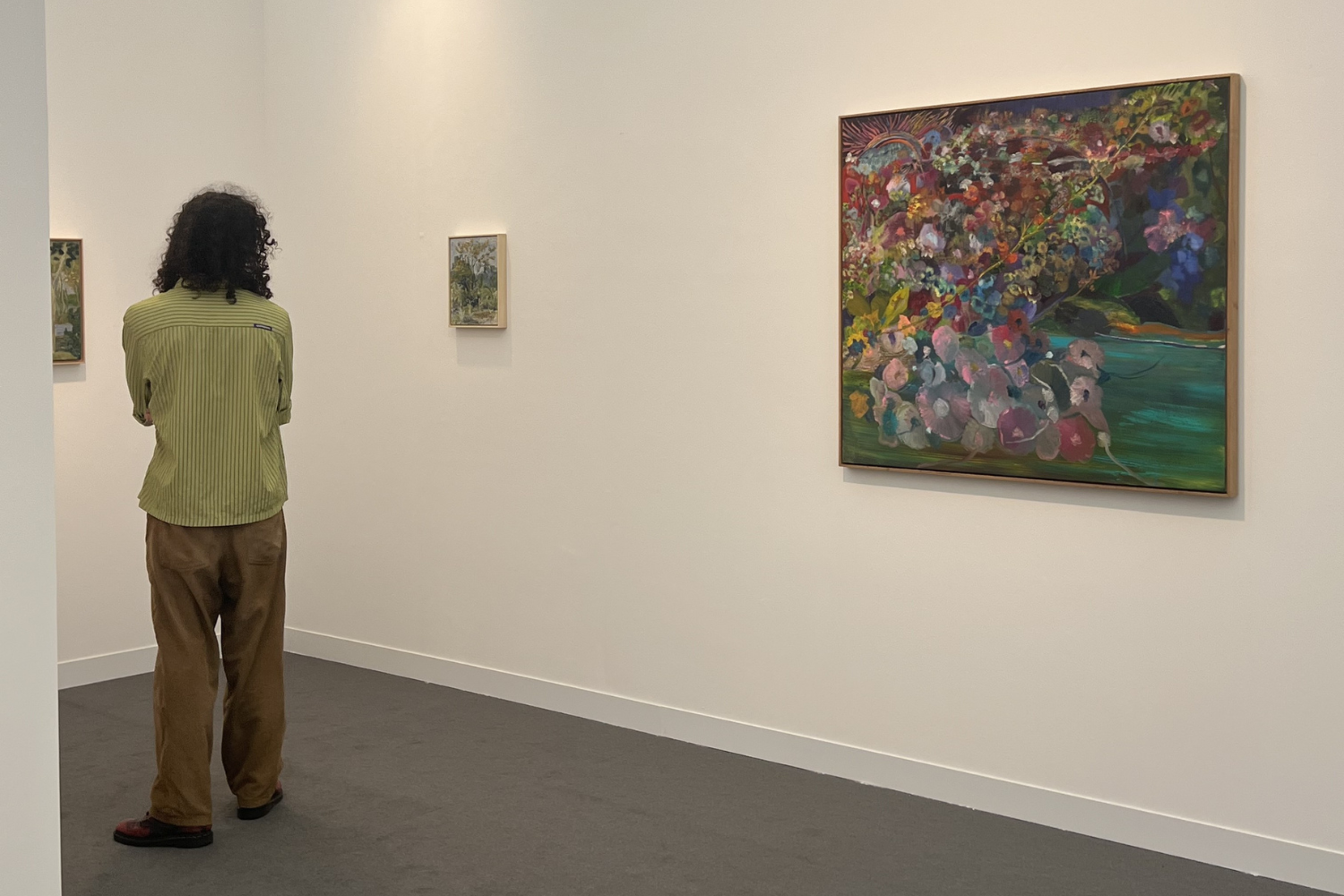
Nara Roesler presented a selection of works by artists from different generations at Frieze London, including Brígida Baltar, Jonathas de Andrade, Julio Le Parc and Asuka Anastacia Ogawa. Among the sales reported by Observer, a painting by André Griffo sold for US$56,000 and a work by Maria Klabin for US$55,000. Sales were also reported for a silkscreen on a wooden panel by Jonathas de Andrade, at US$20,000, and a mixed-media work by Marco A. Castillo, at US$18,000. Julio Le Parc’s participation in the fair coincided with the exhibition Julio Le Parc: Light. Colour. Action. at Tate Modern in London. During Frieze Week, the gallery also highlighted exhibitions by artists associated with it at London institutions, including presentations of Jonathas de Andrade at the V&A and Isaac Julien at The Cosmic House. Casa Triângulo, meanwhile, in collaboration with South Korean gallery FOUNDRY SEOUL, presented paintings by Fernanda Galvão exploring tropical landscapes through dense vegetation, organic forms and layers of pigment. Priced between US$8,000 and US$30,000, the presentation was almost sold out on the opening day.
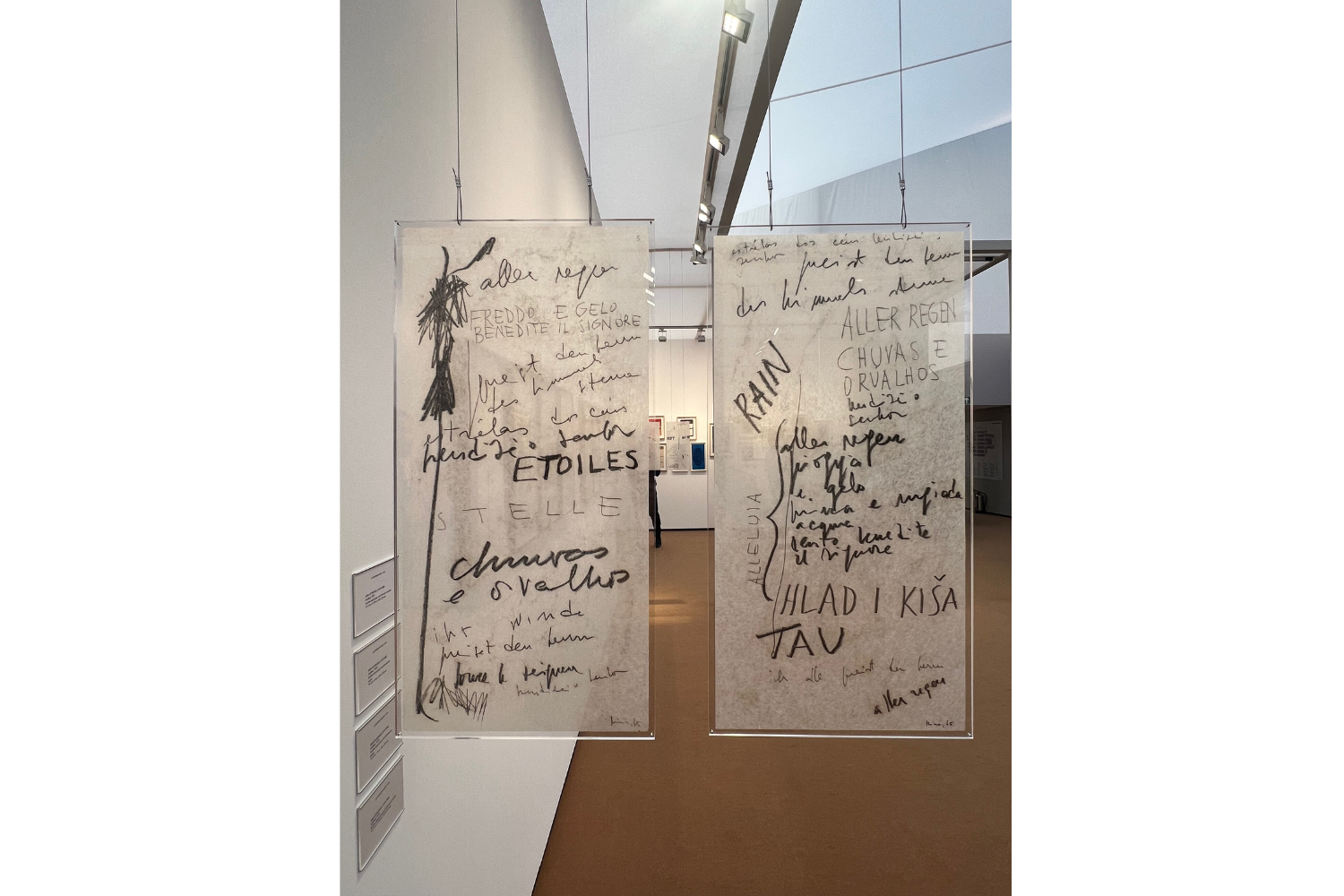
At Simões de Assis, paintings by Thalita Hamaoui were presented alongside works by Miguel Bakun, bringing together different approaches to landscape and emotional experience. While Hamaoui explores abstraction through colour, gesture and organic forms, Bakun offers a historical reference point for landscape painting in Brazil. The gallery sold six paintings by Hamaoui, with reported prices ranging from US$30,000 to US$55,000. Galeria Jaqueline Martins took part in the Artist-to-Artist section with Jota Mombaça, nominated by artist Otobong Nkanga. The project MUD/EMBANKMENT brought together painting, ceramics, video and earth to explore cycles of rainfall, flooding and the relationships between human societies and planetary processes. Mombaça’s presentation in London also has a Brazilian context: the artist is featured in the 39th Panorama of Brazilian Art, Depois que tudo foi dito, on view at MAM SP.
Brazilian artists were also represented by international galleries. Pace Gallery presented a solo selection of paintings by Marina Perez Simão, whose abstract compositions explore the perceptual possibilities of colour and the relationships between landscape, light and space. The gallery sold every work in the presentation. Lisson Gallery, meanwhile, showed works by Dalton Paula, whose practice addresses Black histories and Afro-Brazilian traditions. His participation in the fair continues the international circulation of an artistic practice that brings together painting, memory and historical representation, themes previously explored by London Art Walk in its coverage of the artist and his presence at Inhotim.
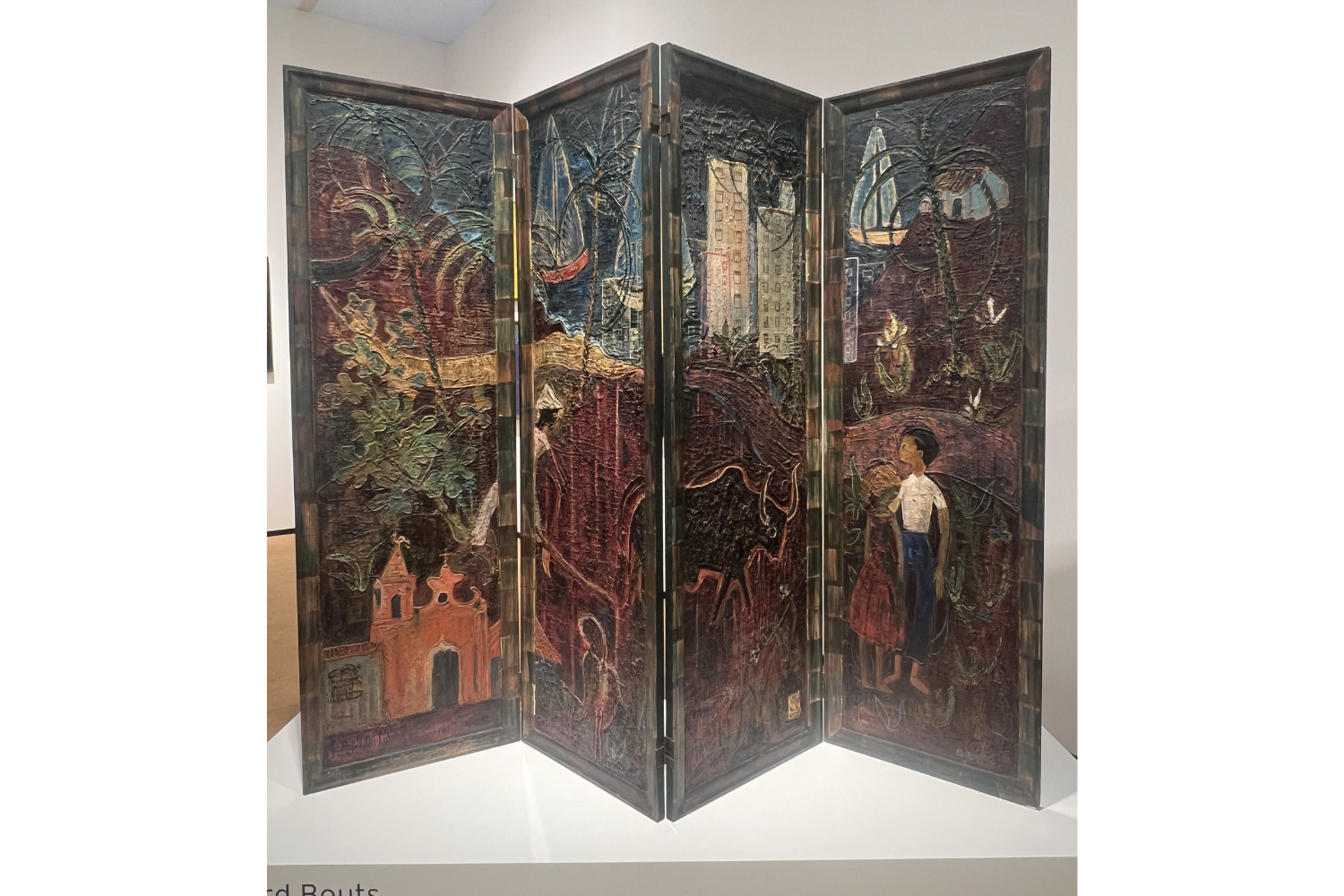
At Frieze Masters, São Paulo-based Galeria MaPa presented a solo exhibition of works by Bernard Bouts (1909–1986) in the Spotlight section, curated by Devika Singh and Sofia Gotti of the Courtauld Institute of Art. In its fifth appearance at the fair, the gallery featured a 1954 folding screen, made with oil and ink on wood. Across its four panels, a colonial church and high-rise buildings occupy the same landscape. Launched in 2012, Spotlight returned in its largest edition to date, bringing together presentations of artists whose work spans the 1950s to the 1970s.
Also at Frieze Masters, Danielian presented paintings and drawings by Ismael Nery (1900–1934), an artist born in Belém and known for figures that challenge rigid classifications of gender and identity. The presentation formed part of Queering Modernism, a curatorial initiative conceived by Anke Kempkes that examines how gender and sexuality shaped the visual language of the twentieth century. This approach finds a parallel in São Paulo, where the exhibition Ismael Nery: Armadilha Moderna at the Pinacoteca also explores the instability of identity and the fusion of genders in the artist’s work. The connection between the two cities highlights Nery’s continuing relevance and the different perspectives through which his work is being reconsidered.
Taken together, these presentations show that Brazilian participation in London extended beyond established names. Contemporary artists achieved notable sales, booths sold out, and projects contributed to reassessing historical trajectories from new perspectives. Although the available sales figures do not cover every gallery, they indicate interest across different generations, artistic languages and price points. Frieze London and Frieze Masters thus reveal two complementary paths to international recognition: the integration of living artists into the global market and the renewed appreciation of historical figures whose work may still gain wider recognition beyond Brazil.
Marília Lopes for London Art Walk
October 2026