
Ibiza and its cultural sites
Ibiza (Castilian), also known as Eivissa (Catalan), takes its name from Ibossim, as the Phoenicians called the island when they settled there around the 7th century BCE, naming it for Bes, god of the household, dance, and joy.
Located in the Mediterranean between mainland Spain and the coast of Algeria, the island’s warm, predictable climate made it a natural harbour for sailors, traders, and migrants crossing between Europe and North Africa. That mix of geography and climate turned Ibiza into a kind of open house, attracting a long succession of civilisations over the centuries: Phoenicians, Carthaginians, Romans, Byzantines, Andalusians, and Catalans, each left its mark on the island’s architecture, language, and rituals.
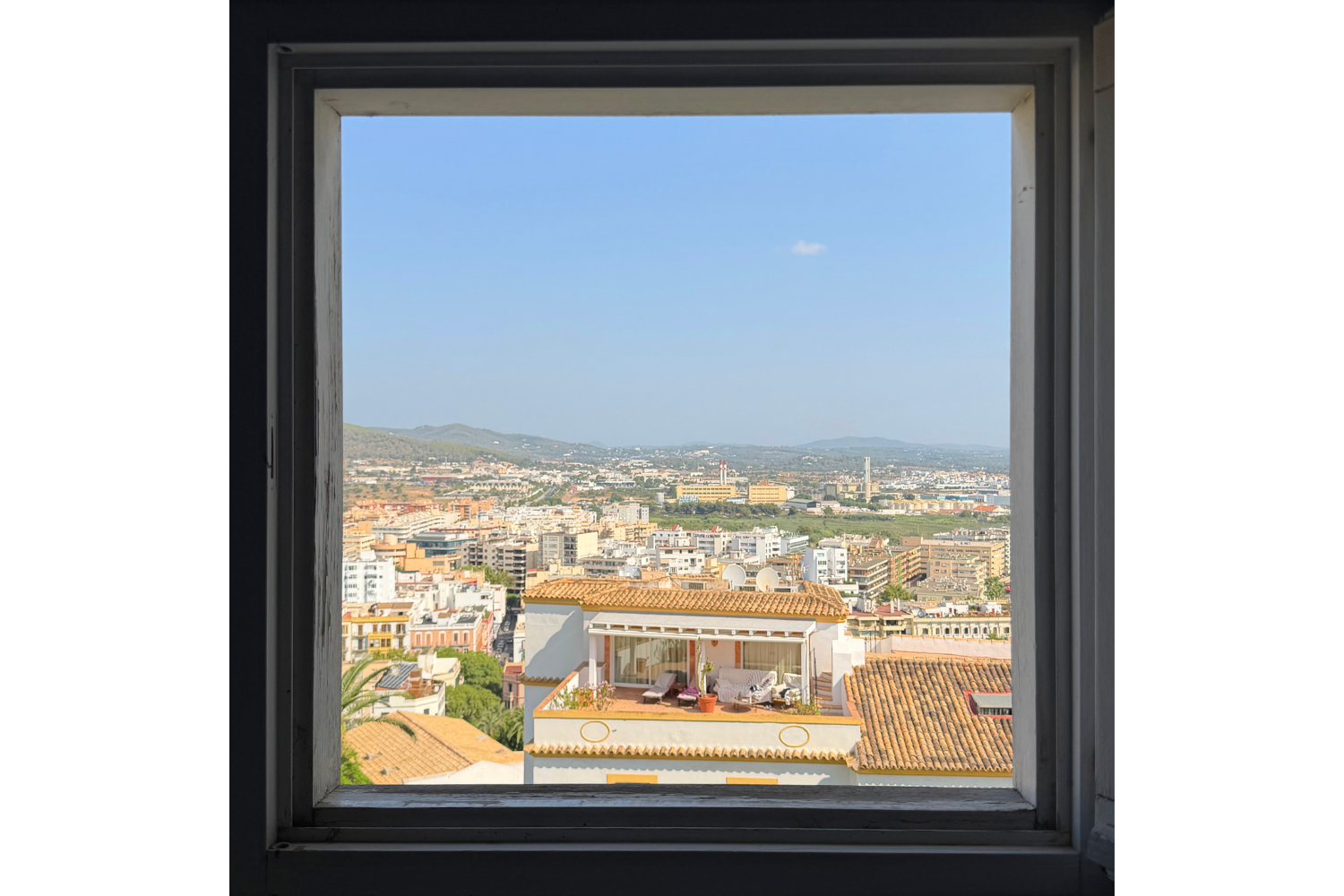
Some of these cultural layers are visible at the Archaeological Museum of Ibiza and Formentera, one of the island’s most impressive sites. Its collections include Phoenician funerary objects, Roman ceramics, Islamic coins, and medieval artefacts, many excavated from the necropolis of Puig des Molins. The necropolis holds around 3,000 tombs from the Punic era (though only 340 are visible from the outside) carved directly into the rock. The museum traces the evolution of funerary art from the earliest Phoenician burial rites of the 7th century BCE, through the elaborate Punic cults that followed, to the Roman customs that eventually took their place.
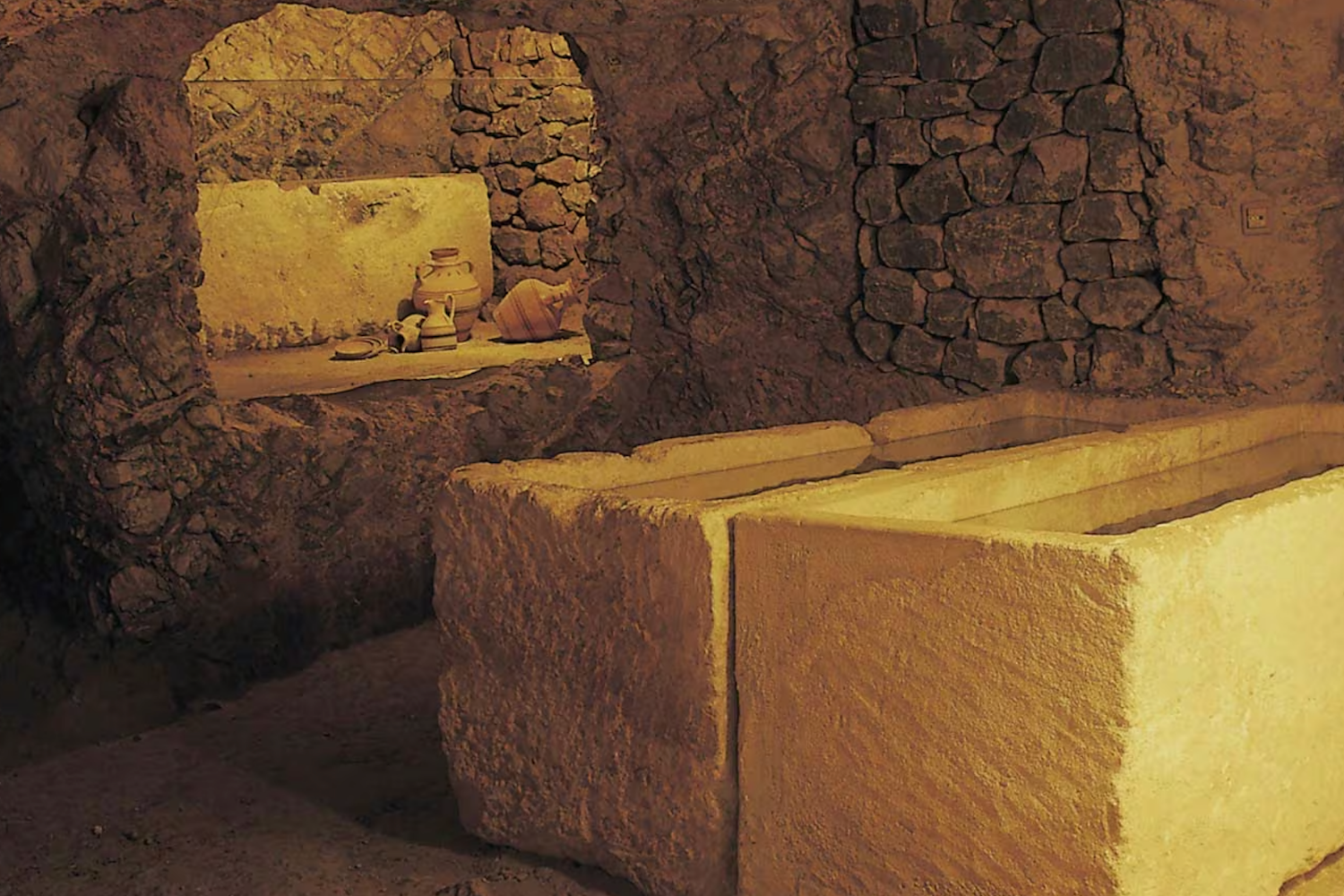
If Puig des Molins holds the island’s spiritual and funerary memory, Dalt Vila holds its civic one. Its museum preserves the material culture of everyday life, such as domestic ceramics, tools, coins, inscriptions, and architectural fragments, that reveal how Ibiza functioned as a working Mediterranean port city. Together, these objects reconstruct the island’s social history: how people lived, traded, and organised their urban world across time.
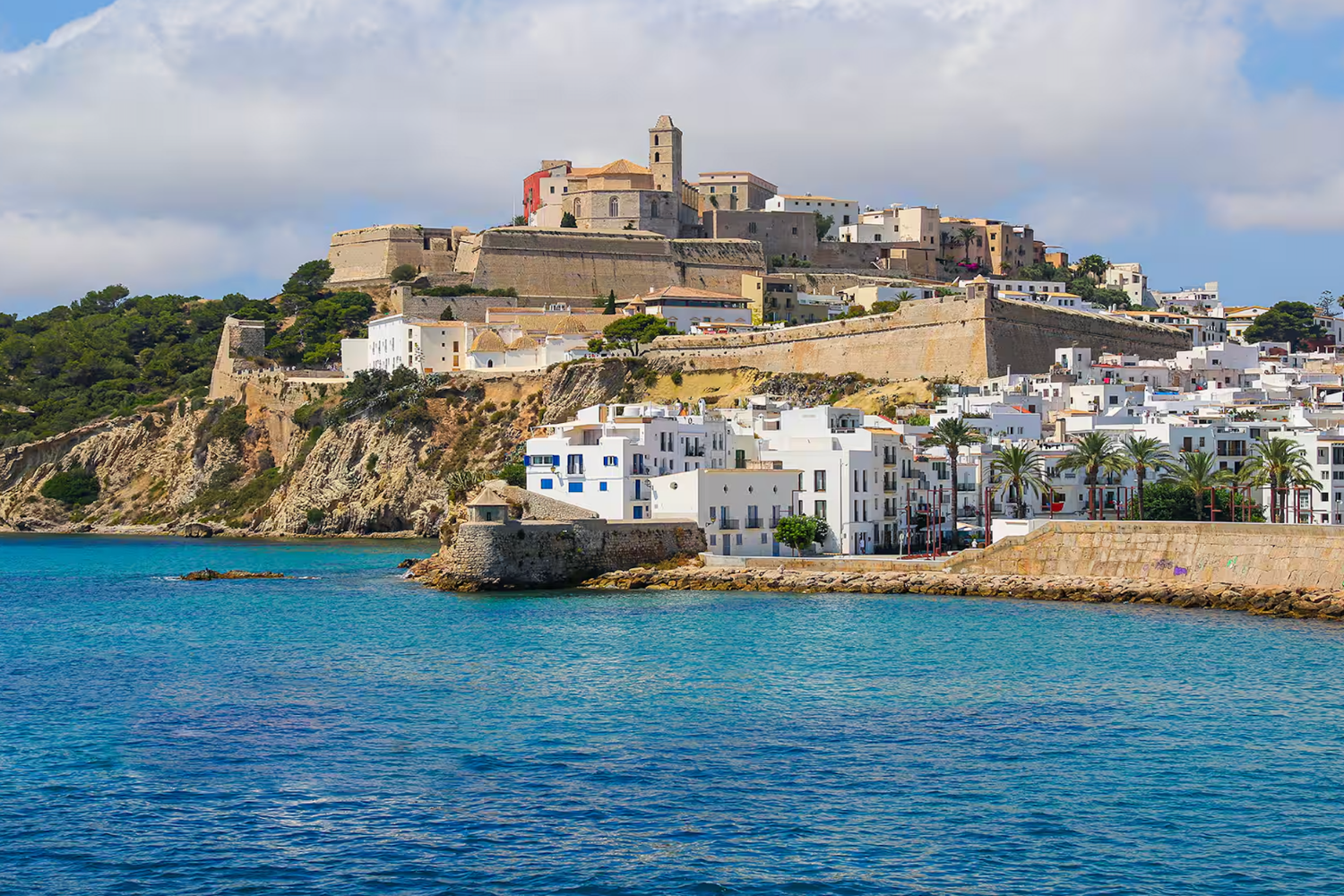
Among the civilisations to settle more recently on the island, during the medieval period, were the Andalusian communities who built Madina Yabisa, the Islamic city that once occupied part of what is now Dalt Vila. Muslim rule on the island stretched from the 6th century, in the waning years of Byzantine control, to the Christian reconquest in the 13th century. Among the fortified buildings of this quarter we can see narrow streets, water systems, and domestic architecture that still carry the memory of Ibiza under Al-Andalus, documented today at the Centro de Interpretación Madina Yabisa.
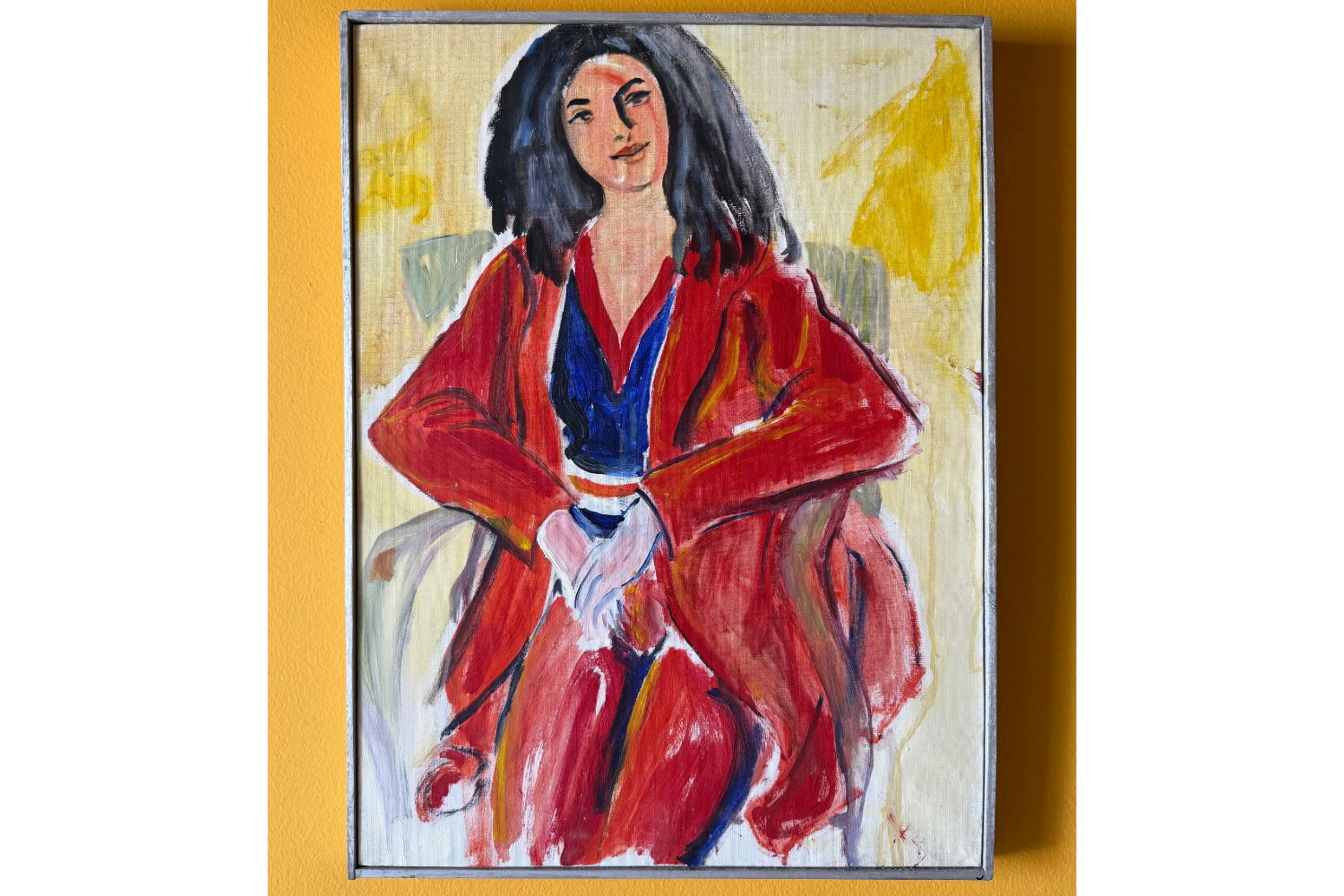
The fifteenth-century mansion in Dalt Vila, the Museu Puget is dedicated to the work of father and son, Narcís Puget Viñas (1874-1960) and Narcís Puget Riquer (1916-1983). The paintings and drawings on display depict the light and formal rhythms of rural Ibiza across the first half of the twentieth century, from the father’s scenes of village life to the son’s more modern take on the same subjects. Around 70 works are on display, drawn from a wider collection of oils, watercolours, and drawings.
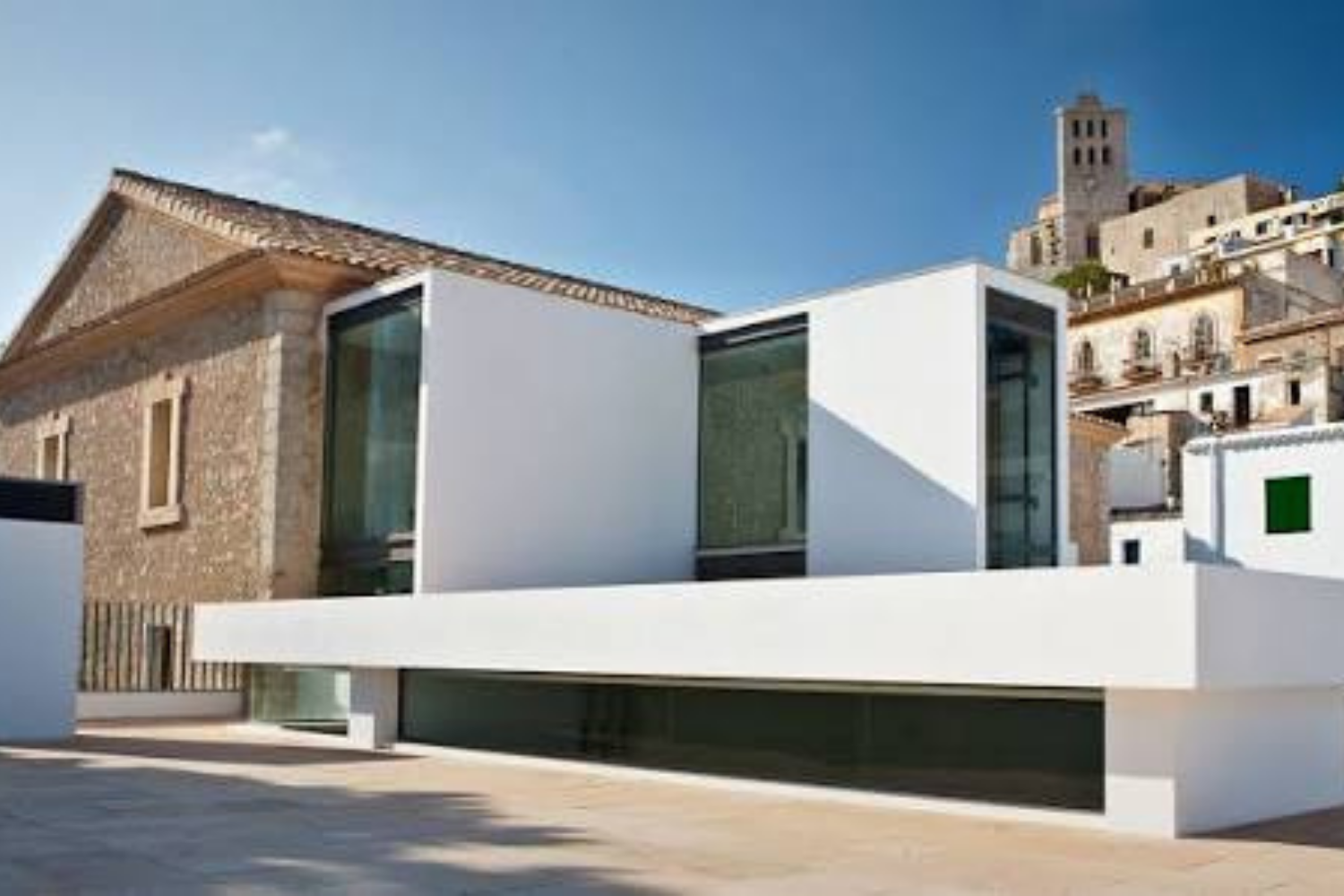
Former Hall of Arms of the Ibiza Royal Forces, built in 1727, Museu d’Art Contemporani d’Eivissa (MACE) is the centre of the island’s modern artistic identity. Its collection focuses on the creative scene in Ibiza during the 1960s, when international artists began settling on the island. The museum’s collection brings together work by figures such as Antoni Tàpies and Joan Miralles alongside a wider group of Balearic artists, some celebrated, others little known beyond the island.
Between the Punic tombs of Puig des Molins and the contemporary canvases at MACE, Ibiza’s museums trace a continuous line of artistic response to the island, from ritual and craft to painting and abstraction.
Ana Teles for London Art Walk
August 2026