
Without the Distraction of Colour: Robert Ryman’s White Paintings
Robert Ryman is best known for his white paintings, and one concern that has long followed his career was whether these works would find a receptive audience. Walking into the Barbican Art Gallery, we are indeed surrounded by white, but these are not simply paintings without colour, rather they are very deliberately works painted in white. Colour is often considered one of the most important elements of painting, so Ryman poses the question, what happens when you take colour away? He once told students that using only white eliminates visual interference, by making visible what you would not otherwise notice, like the structure and nuance of the work.
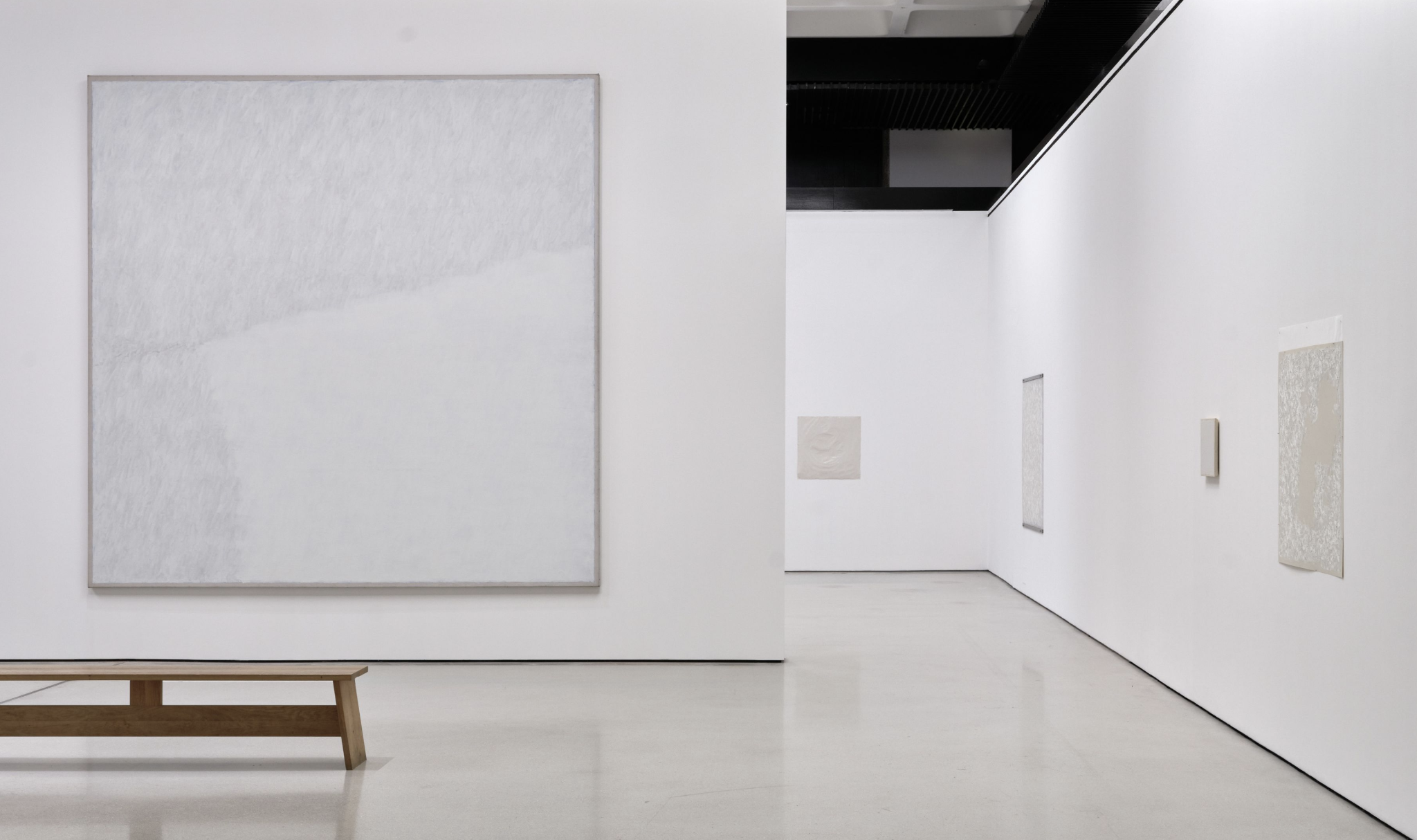
Ryman did not train as a painter. Born in Nashville in 1930, he studied music and, in the early 1950s, moved to New York intending to become a jazz saxophonist. To support himself, he took a job as a guard at the Museum of Modern Art for seven years. Surrounded by the paintings he was paid to watch over, he began to paint. “No one told me what to look at. I just looked at everything, and I accepted everything […] I was particularly interested in how they were done.” He wanted to know what it felt like to paint, so he bought a little paint, turpentine, and canvas and tried it out. He did not start with white: one room in the exhibition displays a small orange painting, the first that he made, which he gave to his brother because, Ryman said, the world was not ready for it.
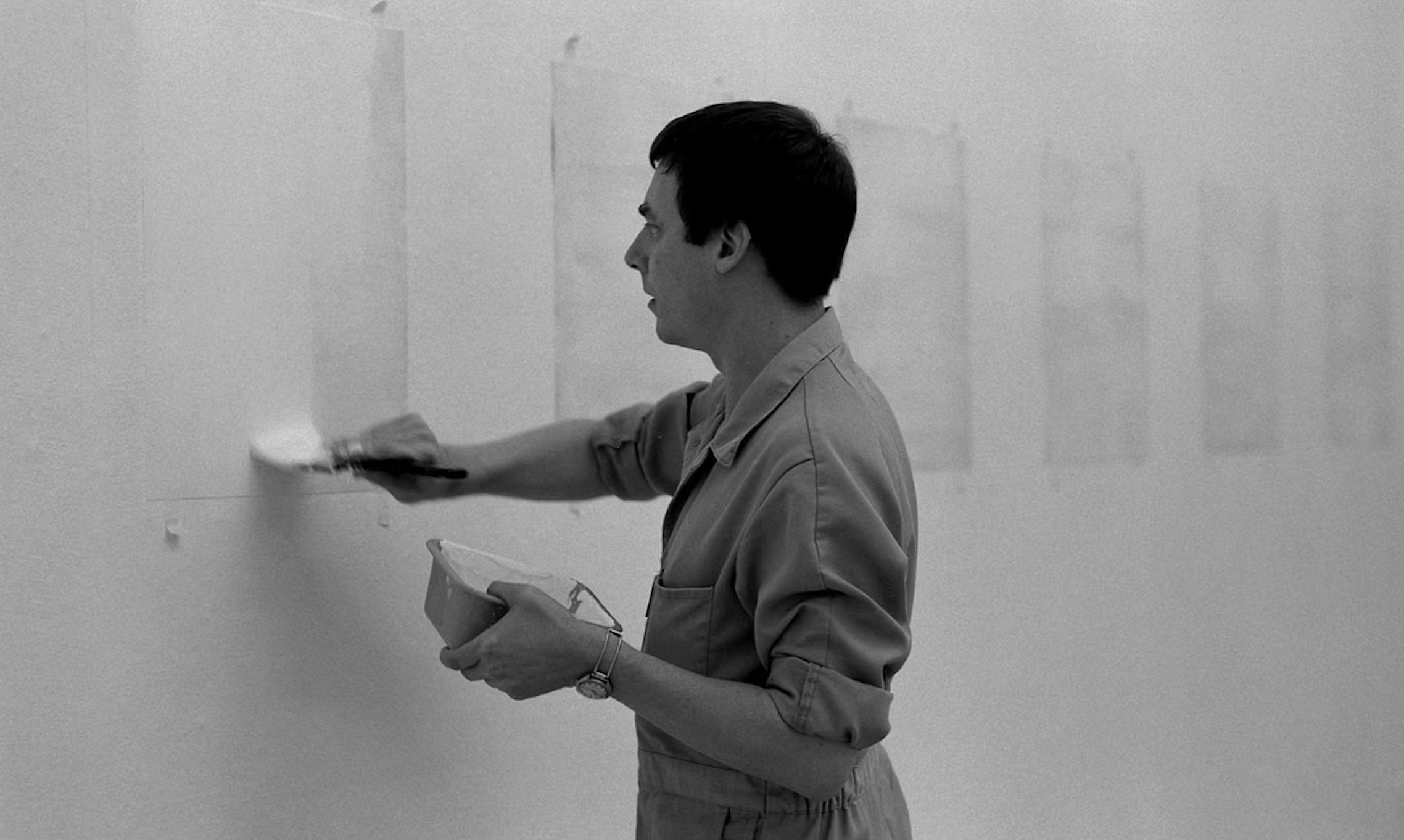
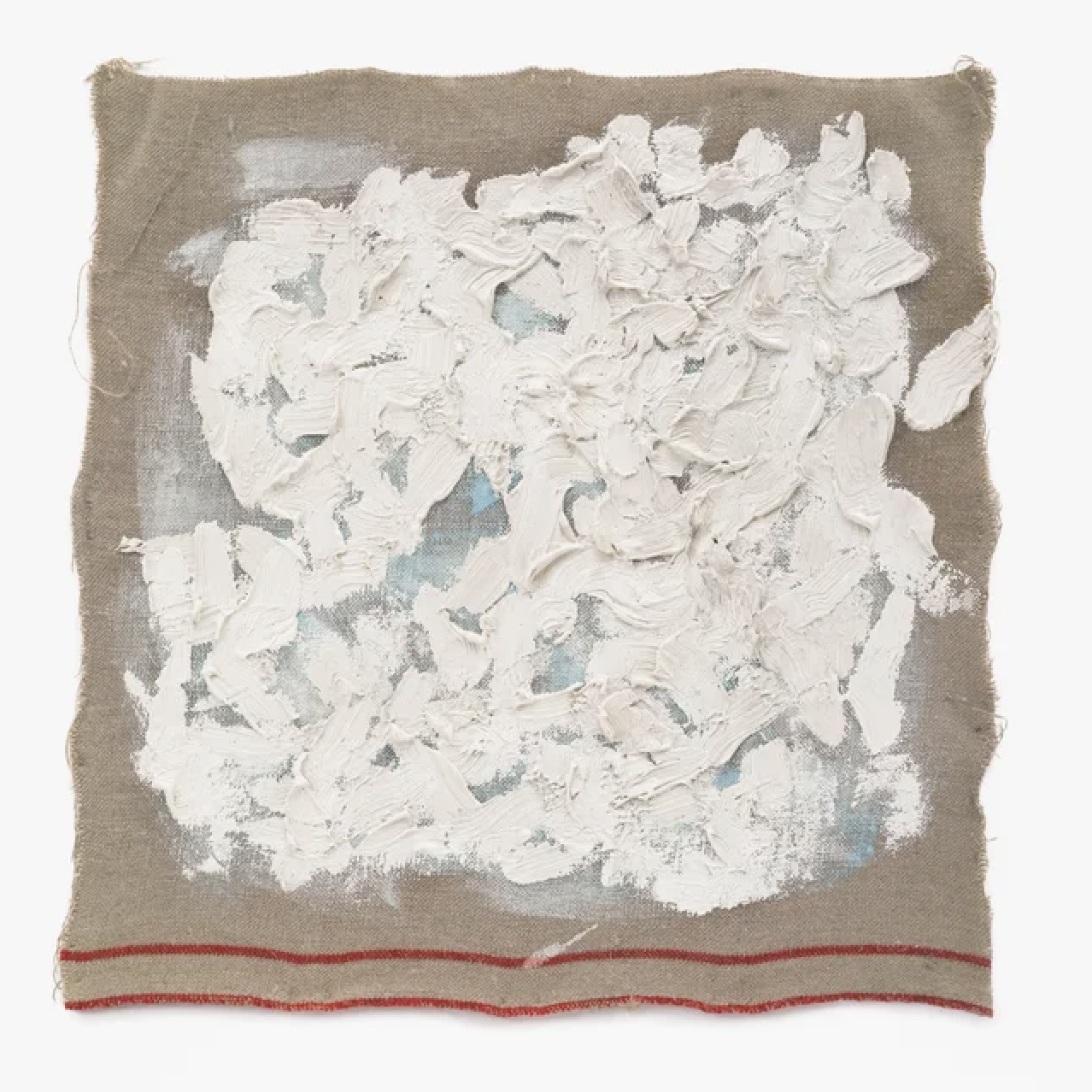
Ryman experimented with every element of a painting. White is one of the most opaque colours, yet its brightness allows a translucency that others do not. It records the layers of paint, the decisions and indecisions, the times when the artist insists or stops. This is especially clear in the paintings with dark backgrounds, including the large works here, some with horizontal lines, others with short, repeated marks. Sometimes a little colour appears as a background, perhaps some blue or some red, and the white reads as a strong contrasting colour. He also varied the material that he painted onto: copper, aluminium, cotton duck canvas, linen, wax, wood, and paper.
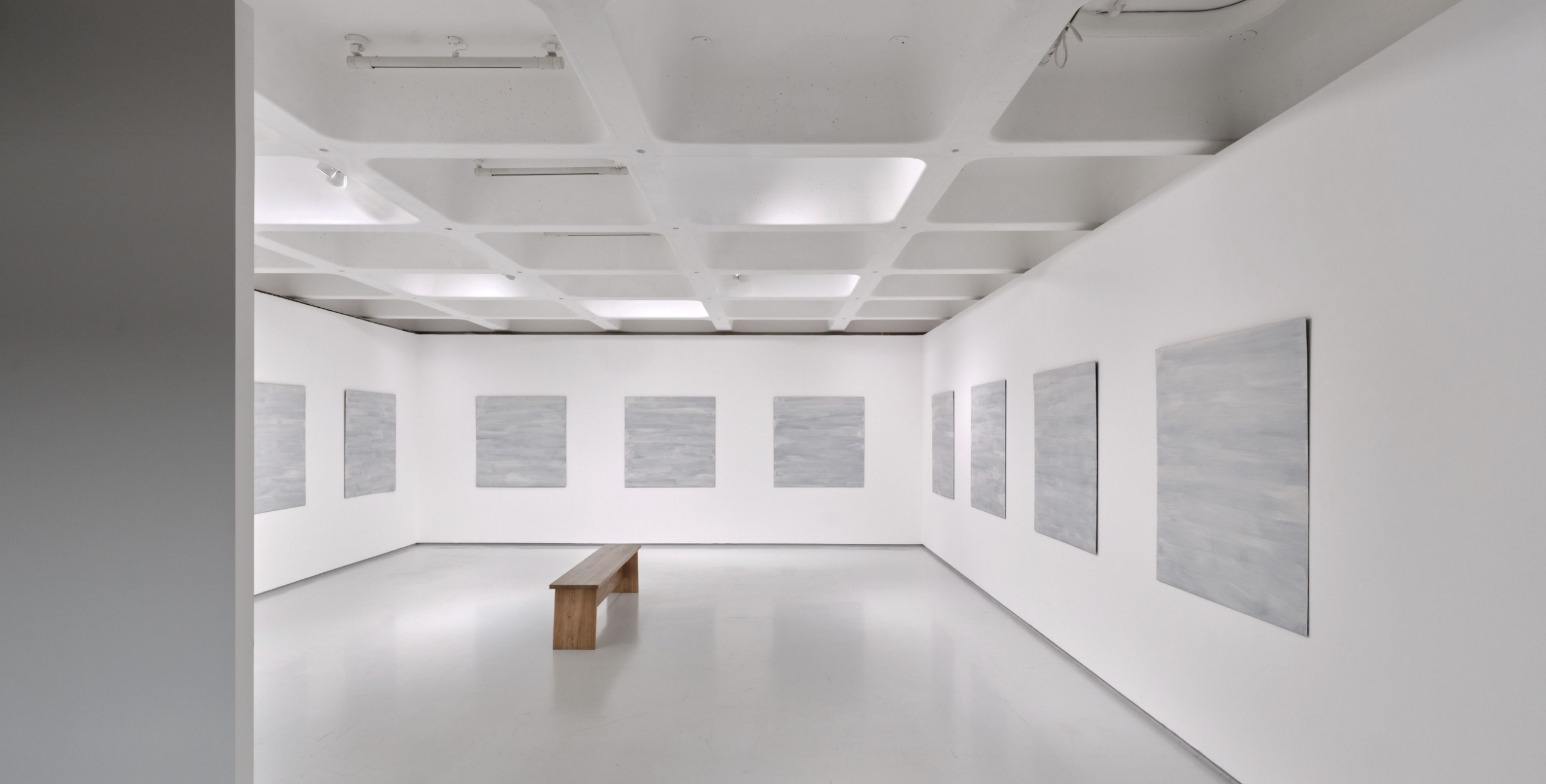
Gesture was very important for Ryman. Most of his paintings are embedded with a materiality that records his hand movements. In one of the rooms we see 12 paintings all the same size that were made following the same procedure: industrial enamel brushed over cold-rolled steel panels using repetitive horizontal strokes. Ryman made 50 of these works, but discarded most of them. They formed part of his first solo exhibition, held in New York in 1967, but only one of them was sold, and the 12 remaining paintings now form one composite work, called “Standard”.
Opening a book of critical essays on Ryman, I count 63 texts written between 1967 and 2007 by artists, philosophers, historians, and critics. Words that recur regularly include whiteness, obsession, care, handwriting, absence, end, and tact. He is often placed in the tradition of Minimalism, and his work is seen as a response to the Abstract Expressionists’ attitude towards authenticity, expression, and emotion. What Ryman offers the views instead is objectivity and materiality: from what and by what method a painting is made, and the ways in which it exists as an object in a room.
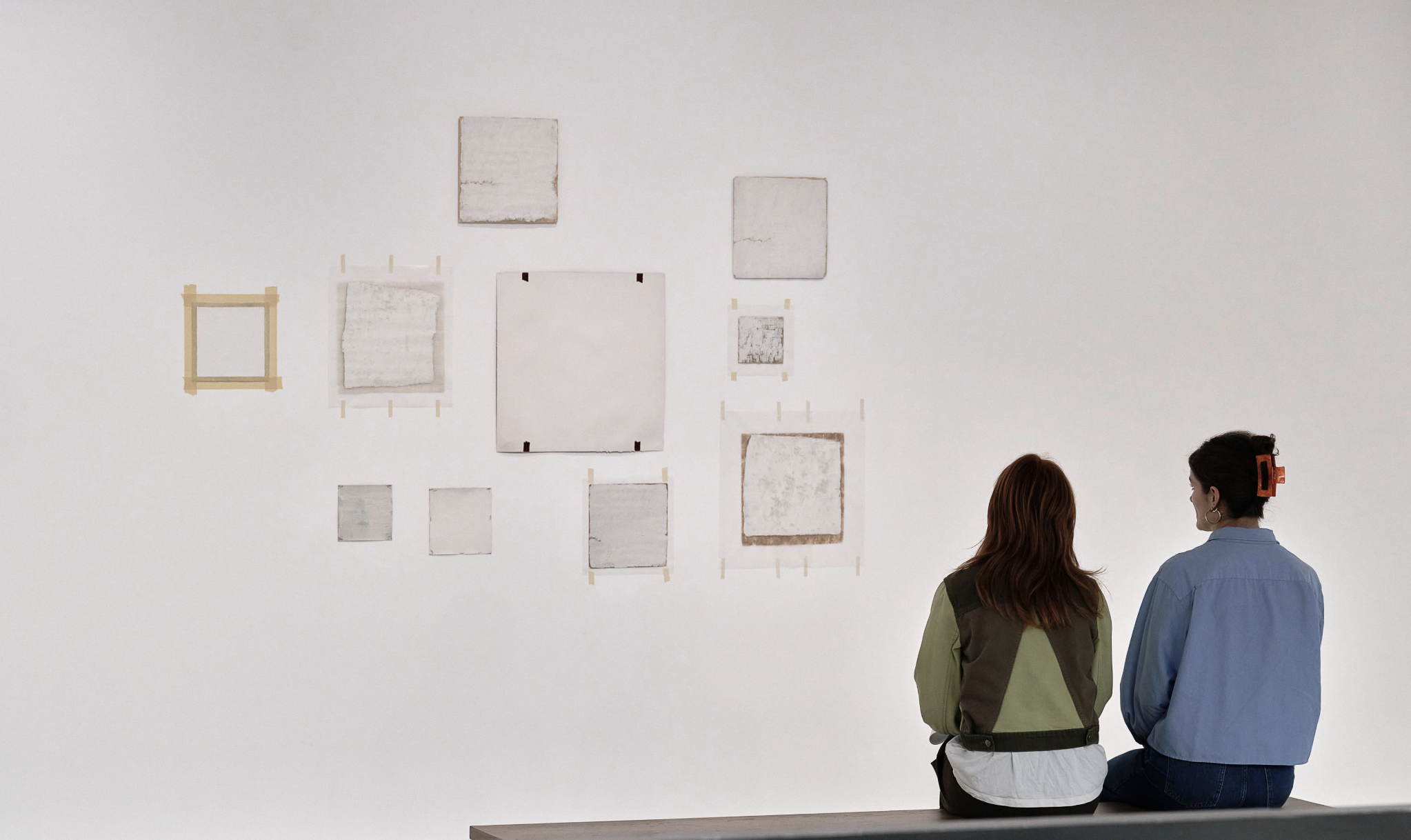
In museum collections, whiteness has become the most prominent feature of Ryman’s work. Here, in this outstanding retrospective exhibition, we can spend time with the paintings in the context of his wider practice, which is fundamental to understanding them. But perhaps, most importantly, the exhibition gives the viewer the opportunity to stand in front of the physical work and enjoy its real presence, to experience the pleasure of the materiality of the work of art. Each individual painting informs and complements the others, and the exhibition gives this group of works a shared meaning.
Ana Teles for London Art Walk
November 2026